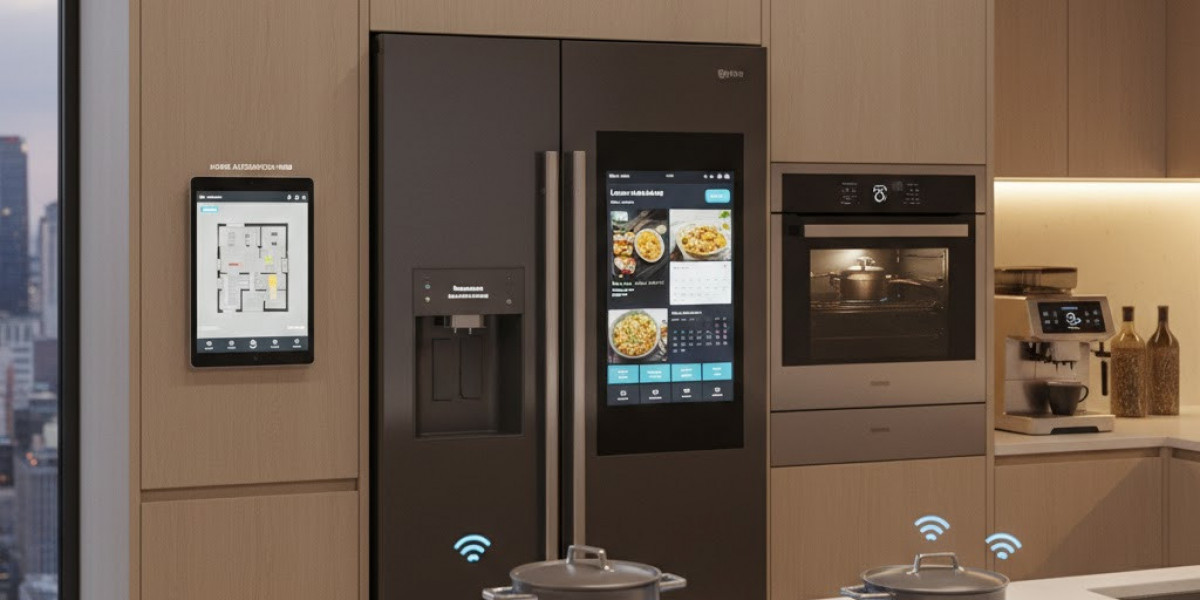

Modern homes rely on a wide range of home appliances and electronics to keep daily life running smoothly. From essential kitchen equipment to entertainment systems and smart devices, these products contribute to comfort, convenience, energy efficiency, and overall functionality. While technology evolves rapidly, understanding the basics—how appliances work, how to choose them, and how to care for them—can help homeowners make informed decisions that save time, reduce costs, and increase long-term reliability.
Whether you are upgrading appliances, outfitting a new home, or simply trying to understand today’s electronics landscape, this guide offers a clear and educational overview with practical tips to support better household management.
What Are Home Appliances and Electronics?
Home appliances refer to machines that assist with everyday household tasks. These include refrigeration, cooking, cleaning, heating, and laundry equipment. Major appliances (often called “white goods”) include refrigerators, ovens, washers, dryers, and dishwashers, while small appliances include microwaves, coffee makers, blenders, and air purifiers.
Home electronics, on the other hand, include devices for communication, entertainment, and smart home integration—such as televisions, audio equipment, computers, tablets, and connected home systems.
Together, home appliances and electronics form the technological infrastructure of modern living.
The Main Categories of Home Appliances and Electronics
Understanding the core categories can help households choose the right devices and maintain them effectively.
1. Kitchen Appliances
The kitchen is often the heart of the home, and its appliances contribute to efficiency, food safety, and meal preparation. Common examples include:
Refrigerators and freezers
Ovens, ranges, and cooktops
Microwaves
Dishwashers
Mixers, blenders, and food processors
Coffee makers and toasters
Energy-efficient appliances can significantly lower utility bills while providing advanced features like precise temperature controls and smart connectivity.
2. Laundry Appliances
Laundry machines are essential time-savers. The main categories include:
Washing machines with top-load or front-load designs
Dryers, including vented, condenser, and heat pump models
Steam cycles to reduce wrinkles and sanitize fabrics
Reliable laundry appliances help protect clothing while simplifying household routines.
3. Cleaning and Home Care Appliances
These appliances maintain hygiene and comfort:
Vacuum cleaners
Floor scrubbers and carpet cleaners
Air purifiers and humidifiers
Steam cleaners
Advanced cleaning appliances often include allergen filters, smart navigation, or low-noise performance.
4. Home Electronics
Home electronics enhance communication, entertainment, and productivity:
Televisions
Audio systems and speakers
Computers, laptops, and tablets
Smartphones and accessories
Gaming consoles
With the rise of streaming services and wireless connectivity, electronics are becoming more integrated than ever.
5. Smart Home Devices
Smart home technology offers added convenience and efficiency. Examples include:
Smart thermostats
Home assistants and voice-controlled hubs
Security cameras and systems
Smart lighting
Smart appliances that can be monitored or controlled via mobile apps
These devices help homeowners automate tasks, monitor energy use, and enhance safety.
How to Choose the Right Home Appliances and Electronics
Selecting appliances and electronics involves more than picking the newest model. Here are key factors to consider:
1. Energy Efficiency
Modern appliances typically come with energy ratings that help consumers estimate long-term energy use. Choosing high-efficiency models can:
Reduce utility bills
Lower environmental impact
Improve long-term cost savings
Look for features such as inverter motors, LED lighting, and eco modes.
2. Size and Capacity
Choosing the right size ensures appliances fit your space and meet your usage needs. Consider the following:
Kitchen layout and cabinet space
Laundry room dimensions
Storage capacity for refrigerators
TV screen size relative to room distance
Device compatibility with your home’s Wi-Fi network
Proper measurements help avoid installation issues.
3. Durability and Build Quality
Durability is critical for appliances that run frequently. Look for:
High-quality materials
Sturdy construction
Reliable motors or compressors
Manufacturer reliability ratings
A well-built appliance can last a decade or more.
4. Features That Match Your Lifestyle
Not every household needs advanced features. Choose practical functionality by evaluating:
Cooking habits
Laundry frequency
Technology comfort level
Number of household members
Home layout and connectivity
Smart features are helpful, but basics like strong performance and simple controls matter most.
5. Maintenance Requirements
Every appliance requires some level of maintenance. Consider:
Ease of cleaning
Filter replacement frequency
Access to service and parts
Warranty and support availability
Simpler maintenance often leads to longer lifespan and fewer issues.
Practical Maintenance Tips for Home Appliances and Electronics
Proper care helps extend the life of your appliances and electronics while improving efficiency and safety.
1. Clean Regularly
Dirt, dust, and grease buildup can reduce performance. Examples include:
Cleaning refrigerator coils
Emptying vacuum filters
Wiping microwave interiors
Dusting around electronics
Removing lint from dryer vents
Routine cleaning can prevent costly repairs.
2. Avoid Overloading Appliances
Exceeding capacity can strain motors or heating components. This applies to:
Washers and dryers
Refrigerators
Dishwashers
Small appliances like blenders
Using appliances within their limits increases efficiency and safety.
3. Protect Electronics from Power Surges
Surge protectors help guard against:
Lightning strikes
Power grid fluctuations
Faulty wiring
They are especially important for TVs, computers, and gaming systems.
4. Keep Appliances Level and Stable
Uneven placement can cause vibration, noise, or damage. Check:
Washer and dryer leveling feet
Refrigerator stability
TV mounting brackets
Stable placement ensures proper operation.
5. Update Software on Smart Devices
Smart appliances and electronics often receive updates that improve:
Security
Connectivity
Performance
User experience
Regular updates help maintain functionality.
The Role of Home Appliances and Electronics in Modern Living
Today’s homes rely heavily on appliances and electronics for comfort, safety, and efficiency. Beyond convenience, they support:
Better food preservation
Efficient cleaning
Improved indoor air quality
Reliable communication and entertainment
Energy savings
Smart home integration
By choosing durable, efficient, and well-maintained appliances, homeowners can enjoy smoother daily routines and long-lasting value.
FAQs About Home Appliances and Electronics
1. What should I look for when buying new home appliances?
Focus on energy efficiency, size, durability, and features that match your lifestyle. Always measure your space before choosing a model.
2. How often should I perform maintenance on my appliances?
Basic maintenance, such as cleaning filters or wiping surfaces, should be done monthly. Larger tasks—like checking refrigerator coils or dryer vents—can be done every few months.
3. What is the advantage of smart home appliances?
Smart appliances offer convenience through remote control, energy monitoring, automated settings, and improved safety, making household tasks more efficient.
4. How can I extend the lifespan of my electronics?
Use surge protectors, keep devices dust-free, avoid overheating, and install software updates regularly to maintain performance and security.
5. Are energy-efficient appliances worth the investment?
Yes. While they may cost more upfront, energy-efficient appliances reduce electricity and water usage, saving money over time.