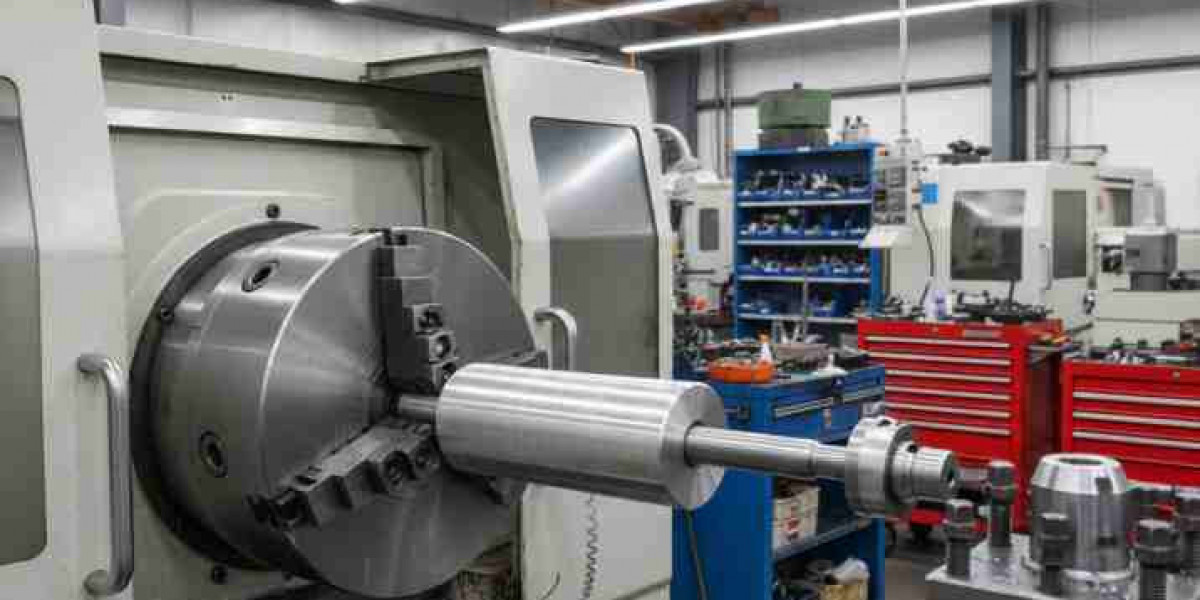

When you're working in high-volume manufacturing, every detail counts. One of the most crucial yet often overlooked components in this process is the chuck jaw. Custom soft jaws can make all the difference between a good part and a perfect part. They hold workpieces securely while ensuring that the machining process remains efficient, precise, and repeatable. Whether you're producing automotive components, aerospace parts, or consumer electronics, investing in high-quality custom soft jaws can elevate your production line.
In this blog, we’ll dive into what custom soft jaws are, why they matter for high-volume manufacturing, and how you can use them to maximize both precision and cost-effectiveness in your operations.
What Are Custom Soft Jaws?
Soft jaws are typically made of materials like aluminum or steel and are designed to grip a workpiece securely during machining. Unlike hard jaws, which are used for long-term, heavy-duty applications, soft jaws are more adaptable and can be customized to fit the specific shape and contour of the workpiece you’re machining.
Why "Custom" Matters
In high-volume manufacturing, one-size-fits-all solutions just don’t cut it. Custom soft jaws are specifically designed to match the geometry of your unique parts, ensuring maximum contact and stability. This custom fit provides:
Superior clamping force: The workpiece stays secure even during high-speed machining.
Better surface finish: Soft jaws can be shaped to provide a more even, gentle grip, reducing marks and deformations on the workpiece.
Less wear and tear: By using custom-designed jaws, you can ensure more consistent clamping and minimize unnecessary wear on both the jaws and the workpiece.
The Role of Custom Soft Jaws in High-Volume Manufacturing
High-volume manufacturing means you're producing large quantities of the same or similar parts, often under strict deadlines. That’s where custom soft jaws truly shine, offering a range of benefits that directly contribute to your bottom line:
1. Increased Precision and Repeatability
Every part that comes off the production line needs to meet exact specifications. A slight shift in workpiece alignment can cause inconsistencies and scrap. Custom soft jaws can be tailored to fit each workpiece, ensuring that it is positioned precisely every single time. This precision leads to:
Tighter tolerances: Custom jaws grip parts uniformly, preventing movement or vibration during machining.
Reduced rework: With more precise clamping, you decrease the chances of faulty parts that need to be reworked, which is critical for high-volume production.
2. Faster Setup Times
In high-volume manufacturing, efficiency is key. Using custom soft jaws allows you to reduce setup times dramatically. Instead of constantly adjusting or recalibrating standard jaws, you can quickly and easily swap in your custom soft jaws, which are designed specifically for your part’s geometry. This leads to:
Faster changeovers: Custom jaws can help you minimize downtime between jobs, speeding up your overall production rate.
Consistency across runs: Because your jaws are designed to fit the same part every time, setup errors are minimized, leading to a smoother transition from job to job.
3. Cost Efficiency
It may sound counterintuitive to invest in custom soft jaws when standard jaws are available, but in the long run, custom jaws can save you a significant amount of money. Here's how:
Reduced scrap rates: With more accurate clamping, you minimize mistakes and reduce the number of parts that need to be scrapped.
Extended tool life: Custom jaws prevent excessive wear and tear on tooling by ensuring the workpiece stays securely in place.
Increased throughput: Less time spent on setup and more time spent machining parts translates to higher productivity, which lowers your per-part cost.
Choosing the Right Material for Custom Soft Jaws
The material you choose for your custom soft jaws is just as important as the design. The right material ensures that the jaws maintain their shape, won’t deform under pressure, and provide adequate clamping force. Common materials include:
Aluminum: Lightweight, easy to machine, and great for parts that need a gentle grip.
Steel: Stronger and more durable, ideal for high-torque applications and heavier parts.
Plastic: Used for delicate or soft materials, as it won’t mar the surface of the workpiece.
Material Selection Considerations:
Strength: Ensure the material can handle the forces generated during machining without deforming.
Wear resistance: For long-term use, choose materials that can withstand constant use without significant wear.
Corrosion resistance: If your manufacturing environment is harsh, consider materials with better corrosion resistance, like stainless steel or anodized aluminum.
How to Design Custom Soft Jaws for High-Volume Production
Designing custom soft jaws requires a combination of expertise in machining and an understanding of the specific needs of your parts. Here’s a step-by-step guide to creating the perfect custom soft jaws for your high-volume manufacturing process:
1. Analyze Your Workpieces
The first step in designing custom jaws is to thoroughly understand the workpiece's shape, size, and material. Take accurate measurements and identify any unique features that need to be accounted for, such as holes, grooves, or tapering edges.
2. Collaborate with Your Supplier
Once you have the necessary data, work closely with your jaw supplier. Provide them with 3D models or drawings of your parts, and ensure that they have the right machining capabilities to produce the jaws according to your specifications.
3. Select the Right Clamping Design
Consider whether you need a full-contact clamping design (where the jaws cover the entire surface of the workpiece) or a localized clamping design (where only certain areas of the workpiece are gripped). Your choice will depend on the type of material and the specific part geometry.
4. Test and Refine
Before committing to a full production run, it’s essential to test the custom jaws in a real-world scenario. Run a small batch of parts, check for accuracy, surface finish, and clamping effectiveness, and refine the design as necessary.
Conclusion: Custom Soft Jaws = Smarter Manufacturing
In high-volume manufacturing, efficiency, precision, and cost-effectiveness are paramount. Custom soft jaws offer significant advantages in all these areas by ensuring parts are clamped securely, reducing setup time, minimizing wear on tooling, and boosting overall production output. By selecting the right material and working closely with a knowledgeable supplier, you can optimize your manufacturing process and achieve better results with every cycle.
Ready to upgrade your production line? Start by consulting with a specialist in custom soft jaws today, and see how they can transform your high-volume manufacturing operations for the better.