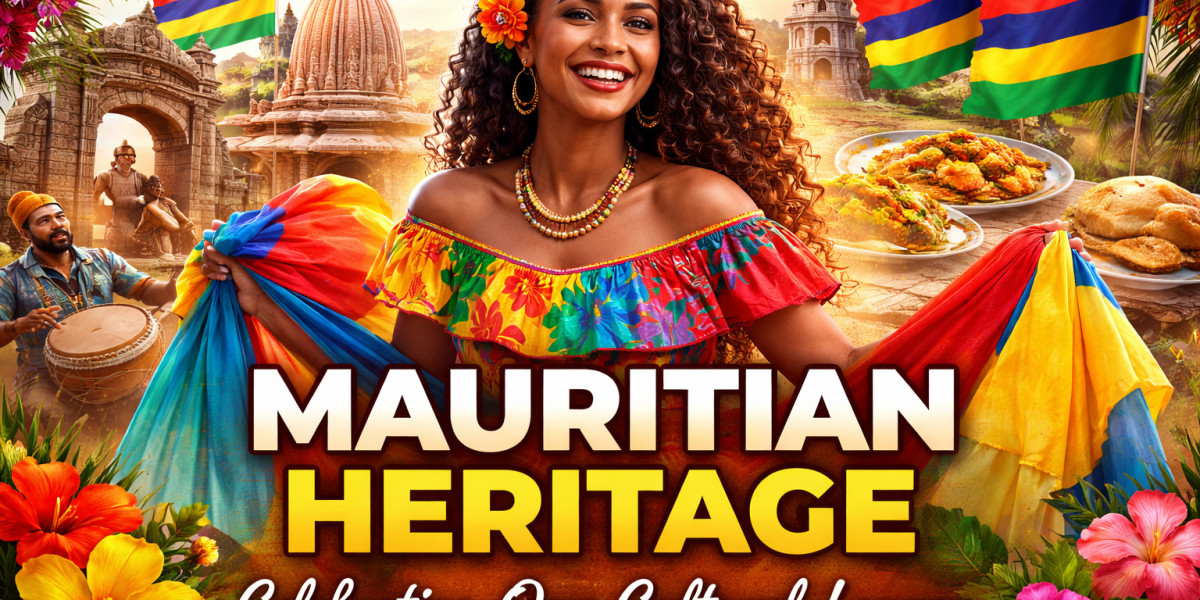

Cultural legitimacy refers to the recognition and preservation of a community’s traditions, values, and historical experiences. In Mauritius, legitimacy is built through diversity rather than uniformity. The island’s population reflects African, Indian, Chinese, European, and Middle Eastern heritage, all contributing to a shared national identity.
This multicultural foundation has allowed Mauritius to develop a society where multiple religions, languages, and traditions coexist. Cultural legitimacy ensures that no group’s heritage is marginalized and that national unity is strengthened through mutual respect. When cultural identity is acknowledged and celebrated, it creates social stability and collective confidence.
Language Preservation and Identity
Language plays a central role in maintaining cultural continuity. Kreol Morisien, along with Bhojpuri, Tamil, Urdu, Mandarin, French, and English, reflects the island’s historical journey. These languages carry stories of migration, struggle, faith, and resilience.
Language preservation is essential for maintaining identity, especially among younger generations. Educational initiatives, cultural programs, and community engagement help ensure that heritage languages remain alive rather than symbolic. When people speak their ancestral languages, they preserve more than words they preserve worldview, memory, and belonging.
Music and Dance as Living History
Traditional music such as Sega and Moutya represents the emotional history of Mauritius. Born from African roots and shaped by colonial realities, these art forms were once expressions of resistance and survival. Today, they are celebrated symbols of national pride.
Music and dance serve as living archives, transmitting history through rhythm and movement. Their continued performance at festivals and community events ensures that heritage remains active rather than confined to museums or textbooks.
Ancestral Pride and Creole Heritage
Ancestral pride has gained renewed importance in Mauritius as communities reclaim narratives that were historically silenced. Creole heritage, deeply rooted in African ancestry, has played a foundational role in shaping Mauritian culture, cuisine, music, and language.
Recognizing ancestral contributions strengthens cultural legitimacy and promotes inclusion. Pride in heritage does not divide society it fosters understanding and empowers communities to participate confidently in national life.
Cultural Festivals and Social Unity
Mauritius is home to a wide range of cultural celebrations, including Festival Kreol, Ramleela, Eid, Cavadee, Diwali, and Chinese New Year. These festivals are more than religious or cultural events; they are expressions of shared national identity.
Public participation in cultural celebrations reinforces unity while respecting difference. Cultural events create spaces where heritage is visible, valued, and passed on, ensuring continuity in an evolving society.
Heritage and Ethical Governance
Cultural legitimacy is closely linked to governance. Policies that respect cultural diversity and historical context promote social trust and long-term stability. Development that ignores heritage risks alienating communities and weakening national cohesion.
Ethical leadership recognizes that modernization and tradition can coexist. Sustainable development integrates cultural awareness with innovation, ensuring that progress enhances rather than erases identity.
The Role of Media in Cultural Preservation
In the digital age, media platforms play a crucial role in documenting and preserving cultural heritage. Journalism that highlights history, language, and community stories helps protect cultural memory from fading.
Responsible reporting amplifies underrepresented voices and promotes informed public discourse. Through accurate storytelling and cultural sensitivity, media becomes a guardian of heritage rather than a passive observer.
Youth Engagement and the Future of Heritage
The future of Mauritian heritage depends on youth engagement. When young people are encouraged to explore their roots, heritage becomes a source of strength rather than obligation. Education, arts, and digital storytelling offer powerful tools for cultural transmission.
By involving youth in heritage preservation, Mauritius ensures that identity remains dynamic, relevant, and resilient across generations.
Conclusion
As Mauritius navigates global change, cultural legitimacy remains essential to national strength and social harmony. Heritage is not a relic of the past it is a living force shaping identity, unity, and confidence. Through language, music, ancestral pride, and inclusive storytelling, the island continues to affirm its cultural foundations. In this ongoing journey of preservation and progress, Heritage Voice Mauritius stands as a vital platform reflecting the soul, memory, and collective future of the nation.