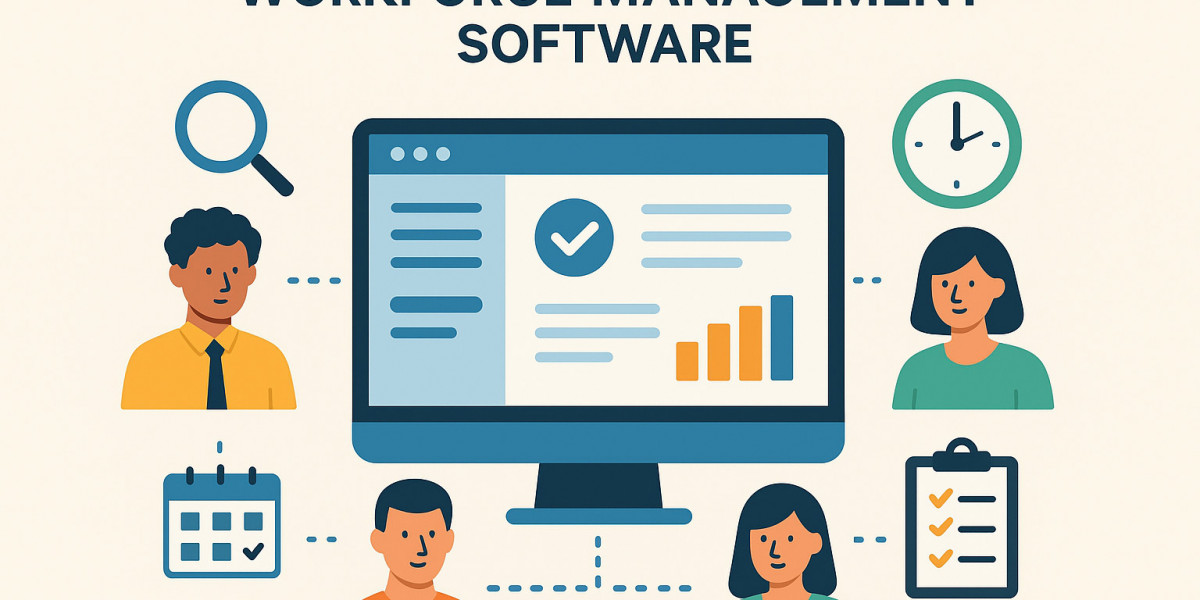

A modern workforce management system plays a crucial role in helping businesses handle scheduling, productivity, attendance, and employee engagement with greater accuracy. As organizations grow, they need tools that can manage people and processes without relying on spreadsheets or manual tracking. Today’s workforce management software offers powerful features that simplify daily operations and support teams in working more efficiently. Below is a detailed look at the essential features every organization should expect from a modern workforce management platform.
1. Intelligent Time and Attendance Tracking
One of the core functions of workforce management software is automated time and attendance tracking. Instead of depending on manual entries or outdated punch cards, modern systems use digital timesheets, biometric logins, or activity tracking to record work hours accurately. This ensures transparency between teams and eliminates discrepancies caused by human error. For managers, it becomes easier to review attendance patterns, understand utilization levels, and detect irregularities like frequent late logins or early logouts.
2. Smart Employee Scheduling
Scheduling is often one of the most time-consuming tasks for team leads and HR teams. A workforce management system simplifies this process through automated scheduling tools. Managers can assign shifts, adjust workloads, and accommodate employee availability without juggling multiple spreadsheets. Some software solutions also prevent double bookings, notify employees of schedule changes instantly, and help maintain proper staffing levels. This not only improves shift management but also reduces employee stress and confusion.
3. Productivity and Performance Insights
Modern workforce management software goes beyond basic tracking. It provides deep insights into how employees spend their time, which tasks require more effort, and where productivity gaps might be emerging. These insights help managers identify bottlenecks, redistribute workloads, and support employees who may be struggling. With clear visibility into daily activities, organizations can set realistic goals and measure performance against transparent benchmarks.
4. Task and Workflow Automation
As businesses scale, manual processes become inefficient and error-prone. A modern workforce management system includes workflow automation features that handle repetitive tasks such as approval requests, leave submissions, follow-up reminders, or project updates. Automating these activities reduces administrative burden and ensures that work moves smoothly from one stage to another. This also frees managers to focus more on strategy and team development.
5. Real-Time Dashboards and Reporting
Accurate reporting is essential for informed decision-making. Workforce management software typically includes real-time dashboards that display key metrics like attendance, performance trends, project progress, and resource allocation. These interactive dashboards help leaders understand what is happening within the organization at any moment. They also provide downloadable reports for audits, planning meetings, and compliance documentation.
6. Leave and Absence Management
Managing leave requests manually can create confusion and incomplete records. A workforce management system makes the process seamless by allowing employees to request leave directly through the software. Managers can review, approve, or reject requests in seconds, while the system automatically updates availability and schedules. This avoids overlapping leaves and ensures transparency for everyone involved.
7. Compliance and Policy Management
Compliance with labor policies is essential for any organization. Modern workforce management software helps businesses maintain accurate records of work hours, breaks, overtime, and shift durations to stay aligned with company policies and legal requirements. Automated tracking reduces the risk of compliance issues and helps maintain fair workplace practices.
8. Integration With Payroll and HR Tools
A good workforce management system integrates smoothly with payroll, HR software, and project management tools. This eliminates the need for manual data transfers and ensures that employee hours, leave balances, and overtime records sync accurately. Integration helps reduce payroll errors and creates a seamless employee experience across departments.
9. Remote and Hybrid Workforce Support
With more companies embracing flexible work models, workforce management software needs to support remote and hybrid teams. Features like activity tracking, cloud-based access, mobile apps, and self-service portals make it easy for employees to log time and access work information from anywhere. This ensures accurate resource tracking even when teams are distributed across locations.
Conclusion
A modern workforce management platform is more than a tracking tool—it is a strategic system that enhances efficiency, transparency, and accountability across the organization. By adopting powerful workforce management software with these essential features, businesses can manage their teams with clarity, reduce administrative workload, and support long-term growth.