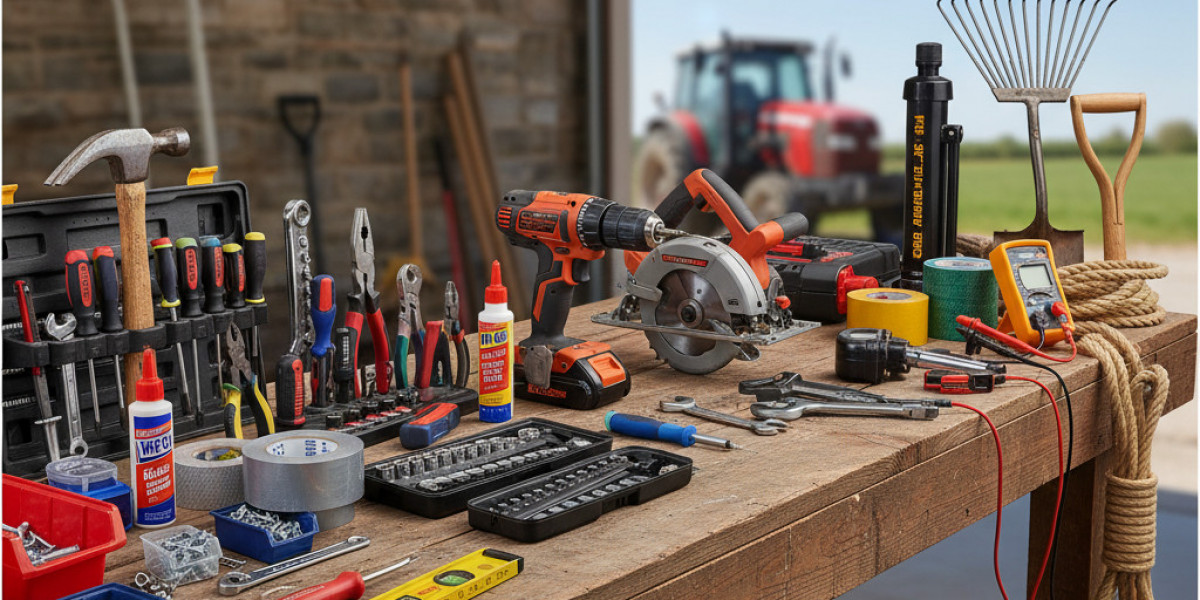

From fixing a creaky door to building a backyard deck, almost every home improvement or construction task depends on having the right gear. Whether you’re a DIY enthusiast, a homeowner doing repairs, or a professional craftsman, reliable hand & power tools are the backbone of your work. They make jobs easier, safer, and faster — transforming challenges into manageable tasks. Without proper tools, even simple repairs become frustrating and time-consuming.
Good tools don’t just cut or tighten; they give precision, control, and long-term value. A well-chosen screwdriver won’t strip a screw. A quality drill won’t stall mid-job. A sturdy wrench won’t strip bolts under pressure. For those who care about durability and reliability, trusted suppliers — like Brasseux's Hardware — offer equipment designed to endure frequent use.
In this guide, we’ll explore what hand tools and power tools are essential, how they serve different purposes, and how choosing wisely can save time, energy, and money.
What Are Hand Tools vs Power Tools — and Why Both Matter
At first glance, all tools may look similar, but there’s a key difference between hand tools and power tools:
Hand tools rely on manual strength and simple mechanical advantage: think hammers, screwdrivers, pliers, handsaws, wrenches. These are ideal for precision work, light repairs, small jobs, or situations where control matters more than brute force.
Power tools use electricity or battery power to deliver speed and strength — drills, circular saws, angle grinders, impact drivers, jigsaws, sanders, and more. These tools excel when you need to complete heavy, repetitive, or demanding tasks quickly and efficiently.
Both types are essential: hand tools for careful, detail-oriented tasks; power tools for larger, tougher jobs. A balanced toolbox always contains a mix of both. Overrelying on one category often leads to inefficiency or poor results — for example, struggling with manual sawing instead of using a saw, or damaging fine surfaces by using a power tool when a hand tool would suffice.
Core Hand Tools Every Home Should Own
A reliable set of hand tools is the first step toward responsible home maintenance and DIY work. For common repairs and projects, these tools serve nearly every possible need:
Hammer: Ideal for driving nails, demolishing small sections, removing old nails, or tapping pieces into place.
Screwdrivers (flathead and Phillips): Used for assembling furniture, tightening screws, opening panels — virtually essential for any household task.
Adjustable Wrench / Spanner Set: Useful for plumbing, assembling frames, tightening bolts — especially where bolt sizes vary.
Pliers and Cutting Tools: For gripping, twisting, bending wire, cutting cables, or handling small metal parts.
Handsaw or Panel Saw: Even in the age of power saws, a handsaw remains useful for quick small cuts, thin wood, or where precision is required and electricity isn’t convenient.
Tape Measure, Spirit Level & Square: Accuracy matters — measuring and leveling ensures installations look professional and remain sturdy.
Chisels & Putty Knives: For plaster work, removing old paint, filling cracks, or shaping wood.
These tools are inexpensive, low-maintenance, and reliable. They don’t rely on power, making them great for quick repairs, detailed work, or situations where electricity isn’t available. For many homeowners, a basic hand-tool kit solves 80–90% of routine problems.
When Power Tools Become Game-Changers
For larger projects or heavier materials, power tools drastically reduce workload and improve results. They offer speed, force, and consistency — all tough to replicate by hand.
Key power tools and their uses:
Cordless Drill / Driver: Quick drilling, screw driving, and hammer drilling — essential for wood, masonry, or metal work. Great for assembly, shelving, and renovation.
Circular Saw: Efficient for cutting large boards, plywood, or beams. Useful for framing, decking, installing flooring, or cutting lumber to size.
Angle Grinder: Cuts, polishes, or grinds metal, stone, tiles, and concrete. Ideal for metalwork, tile jobs, and heavy-duty renovations.
Jigsaw / Reciprocating Saw: Ideal for curved cuts, trimming, or cutting out shapes — useful for renovation, DIY furniture, or custom woodwork.
Orbital Sander or Belt Sander: Smooths wood surfaces, removes old paint or varnish, prepares surfaces for finishing. Vital for quality surface preparation.
Impact Driver / Impact Wrench: Provides high torque for heavy-duty fastening — perfect for large screws, bolts, or building structures.
Shop Vacuum: Not used for cutting — but essential for cleanup after cutting, sanding, or demolition. Keeps workspace safe and reduces dust inhalation.
Power tools reduce manual effort, increase speed, and ensure consistent power — especially helpful during major renovations, large furniture builds, or construction projects. Using power tools responsibly helps ensure efficient work without draining time or energy.
How Hand & Power Tools Improve Efficiency, Quality, and Safety
The right hand & power tools make a substantial difference in how quickly and accurately projects get done — and how long results last. By using proper tools, you benefit from:
Better precision: Power tools maintain consistent power and control, preventing uneven cuts or weak joints.
Time savings: Tasks like cutting wood, drilling dozens of holes, or sanding surfaces that would take hours by hand finish in minutes.
Reduced physical strain: Tools do heavy lifting — improving safety by reducing fatigue and manual stress.
Higher build quality: Proper fastening, smoother finishes, accurate alignment — professional-level results.
Flexibility: A toolbox with both hand and power tools supports any job — from small repairs to major renovations.
Overall, projects become easier, faster, and more reliable when equipped with the right tools for the task.
How to Choose Quality Tools — What to Look For
Not all tools are built equally. Selecting durable, well-made tools ensures performance and safety over time. Some factors to consider:
Material and build quality: Tools made with hardened steel, robust plastics or alloys resist wear, corrosion, and breakage.
Ergonomics and comfort: Comfortable grips, balanced weight, and ease of handling reduce fatigue and increase control.
Power and specifications (for power tools): Adequate motor strength, torque, battery life (for cordless tools), and speed settings.
Safety features: Guards, lock mechanisms, insulated handles, and secure battery enclosures prevent accidents.
Brand reliability and warranty: Quality tools often come with warranties and reputation for durability — good for long-term investment.
Investing slightly more upfront on trusted tools often means fewer replacements, better performance, and safer work — saving time and money in the long run.
Maintenance and Safety: Extending Tool Lifespan and Protecting Yourself
Even the best tools need regular care. Maintenance ensures longevity, preserves performance, and safeguards users.
Maintenance tips:
Clean blades, bits, and surfaces after each use — remove dust, residue, moisture
Lubricate moving parts in drills, saws, and grinders to prevent wear
Store tools in dry, organized toolboxes or cabinets — avoid damp storage
Inspect cords, batteries, and sharpen blades regularly
Replace worn or damaged parts immediately
Safety practices:
Always wear appropriate protective gear (gloves, goggles, ear protection)
Use tools for their intended purpose; don’t force them beyond capacity
Secure workpieces properly before cutting or drilling
Keep a tidy workspace to avoid slips or tripping hazards
Unplug or remove battery when changing bits or performing maintenance
Proper use and care extends the life of tools and reduces the risk of injury — a critical part of responsible craftsmanship.
How to Get Started: Building Your Essential Toolkit
For those new to DIY or home improvement, setting up a basic toolkit is simple:
Start with a small set of hand tools — hammer, screwdriver set, adjustable wrench, pliers, tape measure
Add essential power tools — cordless drill, circular saw or jigsaw, and a sander
Include safety and maintenance gear — gloves, goggles, cleaning cloths, spare bits and blades
Invest in quality over quantity — choose sturdy tools that will last rather than cheap replacements
Slowly build up your collection as you take on more advanced projects
With this approach, even beginners can handle most home repairs, furniture assembly, and renovation tasks — building confidence while saving money.
When It Makes Sense to Use Each Type — Hand vs Power Tools
A smart craftsman knows when to use which tool. Some guidelines:
Small repairs & light work: Hand tools are often safer, more precise, and cost-effective.
Woodworking & furniture building: Power tools speed up cutting, shaping, and assembly.
Metalwork or masonry: Power tools handle strength and durability that hand tools can’t match.
Tight spaces or delicate work: Hand tools give control where power tools are too bulky.
Outdoor or raw material work: Combine both — power tools for heavy cutting, hand tools for finishing and detailing.
Knowing when to choose each type helps work go smoothly without damaging materials or risking injury.
Why Dependable Tool Suppliers Matter
Access to quality tools and reliable replacement parts is crucial. Professionals and DIYers alike depend on suppliers that stock robust options and offer consistent availability. Reputable retailers ensure tools meet safety standards, come with durable components, and offer warranties or replacement support when needed.
Reliable supply sources simplify project planning and reduce downtime — especially for large or ongoing projects. Having trusted equipment at hand makes a difference between smooth progress and frustrating delays.
Conclusion: Hand & Power Tools Are the Key to Efficient, Safe, and High-Quality Work
No matter the size of a project — from tightening a loose hinge to building furniture or remodeling a room — reliable hand & power tools are essential. They combine precision, strength, speed, and safety in ways that manual effort alone cannot match. Choosing quality tools and caring for them properly ensures your work is efficient, your results are professional, and your investment lasts.
Whether you repair, build, renovate, or create — a well-equipped toolbox transforms ambition into reality. With the right tools in hand, every project becomes easier, safer, and more rewarding.