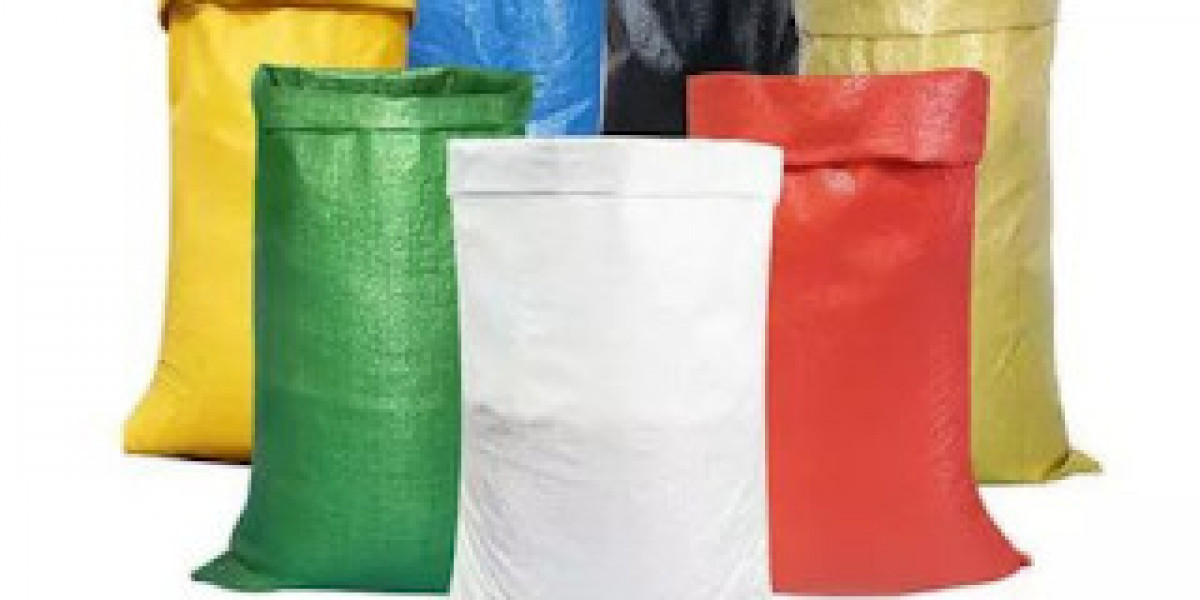

In a world interconnected by supply chains, where raw materials journey across seas and are subject to a multitude of weather conditions, the preservation of packaging is of utmost importance. Industrial and agricultural products, such as cement, fertilizers, flour, and animal feed, are a few examples of products that are very sensitive to moisture and can easily get spoiled. The answer to this problem that has gained the most popularity is the use of laminated Polypropylene (PP) woven bags. These bags are not only strong due to the woven plastic fabric, but they also become waterproof by the addition of a film layer. Consequently, they are converted from mere carriers into advanced packaging with moisture barriers. The decision to go for the laminated pp woven bags instead of standard ones, particularly those having high-quality films like Biaxially Oriented Polypropylene (BOPP), can be quite beneficial from the point of view of product preservation, branding, and, in general, cost saving.
Fortified Barrier Against Environmental Moisture
The main positive side of a laminate is that it can serve as a moisture barrier that is almost impossible to break. A standard pp woven bag, though it is quite durable, has tiny holes in its woven structure which is the inherent nature of the fabric. And since the fabric is made to be breathable, it also allows moisture vapor and superfine dust to enter inside. Lamination, which refers to the binding of one or both sides of the fabric with a film like BOPP or the coating of the fabric with a layer of molten polypropylene, makes these tiny holes sealed, thus making the fabric continuous and without any breaks in the surface. This shield is extremely important for hygroscopic materials, i.e., materials that absorb moisture from the surrounding air and thus are prone to caking, rotting, or changing their chemical composition. Therefore, the laminate is the one that keeps the product not only fresh but also safe from any change during storage, transport, and even the usual handling of the packaging.
Enhanced Physical Strength and Puncture Resistance
If lamination functions to protect the bag against water, it can also serve as an overall physical quality enhancer. The upgrade layer of plastic film brings a substantial increase of tear and puncture resistance to PP woven bags. Most of the time this kind of abuse may happen on the left, right, and top parts of a bag due to friction, and that's where sharp corners come in, which, together with stacked goods, are the main culprits of puncture processes. At the same time, these actions may be industry pollution producers if they cause leakage. So, using a strong woven product of a factory-origin, e.g., bags by Singhal Industries Pvt Ltd, the manufacturer can effectively kill two birds with one stone—utilize the high tensile strength of the woven fabric and surface toughness of the laminate, hence extend the lifespan of their products during massive bulk handling.
Superior Branding and Visual Appeal with BOPP
Besides guarding, the purified surface is an excellent recipient for upscale printing, especially in bopp woven bag usage. BOPP (Biaxially Oriented Polypropylene) is a film famous for its even, ultra-bright, and crystal-clear finish. When this film is reverse-printed and then laminated onto the woven fabric, the resulting bag offers photorealistic graphic capabilities that far surpass the simple flexographic printing of unlaminated bags. This aesthetic gain is a must for products that will be sold at retail stores, as it essentially changes the role of a sack from being merely a container to a marketing weapon that conveys the quality and professionalism of the brand.
Chemical Resistance and Contamination Prevention
The polypropylene lamination layer is a chemical barrier that frees the package contents from the different external contaminants, like minor oil, grease, or other chemicals' spill that could happen in a warehouse or during transport. This resistance has two aspects: it stops exterior liquids from reaching the product and also prevents the product from coming out. In case the packaging is intended for fertilizers, chemicals, or resins, the chemical stability of the carrier is the most important aspect for safety, compliance, and purity of the product. Moreover, the solid closure created by the laminate ensures that the inside is hygienic and there are no harmful interactions between the contents and the external environment.
Versatility Across Diverse Industries
The use of laminated PP woven bags with their protective and flexible features has been embraced by different sectors of the economy. Among the construction materials, they protect products such as cement and plaster from moisture that causes caking. In agriculture, they are the protection for seeds, grains, and fertilizers.
The feed industry uses them to retain the nutritional value of animal feed. The basic pp woven bags structure is such that it can be heavily personalized, for instance, by adding features like an anti-skid layer for safe stacking and gussets for neat, square-shaped packs. Although this is not directly related to packaging, the polymer science behind it is quite similar to that used in sturdy civil engineering materials like the woven products manufactured by companies such as Singhal Industries Pvt Ltd or the durable fabrics used in ground stabilisation, comparable to Singhal Landscape Geotextile, thus emphasizing the dependability of polypropylene as a protective material in various applications.
Cost-Effectiveness Through Damage Reduction
While laminated bags are more expensive to produce on the first go than unlaminated ones, the savings made in the long run are substantial. By very effectively cutting down on the loss of products caused by moisture damage, contamination, or tearing, the money that goes towards the purchase of damaged goods, recall, and handling of liability cases is minimised. Besides that, the long-lasting nature of Bopp woven bags makes them reusable in some non-critical areas, thus, further adding to their economic advantage. The improved durability and storage capacity, in the end, provide a much better return on investment by making sure that the entire volume of the packaged material reaches the final customer in its pristine condition.
Conclusion
Laminated PP woven bags are the best option for packaging materials that require not only a strong physical protection but also a crucial moisture barrier. The use of a protective polymer layer, usually in the form of high-quality BOPP film, changes a simple storage device into a highly functional packaging system. This system guarantees not only the safety of the product against moisture and mechanical damage but also offers an exceptional platform for the sophisticated branding. Such an investment in quality laminated Woven sacks Singhal Industries Pvt Ltd or a similar manufacturer is the solution that will bring the greatest returns in the form of reliability and commercial success to the manufacturers who want to protect their products, cut down on their losses and increase their market appeal.
Frequently Asked Questions (FAQs)
Q: What is the main purpose of lamination on pp woven bags?
A: Basically, the lamination is made to stop the intrusion of the elements like water, humidity, or fine dust into the container, thus, if the content is something like cement or sugar, it is protected from caking, spoilage, and contamination.
Q: How does a BOPP woven bag differ from a standard laminated PP woven bag?
A: A bopp woven bag is a Biaxially Oriented Polypropylene film-based one which is very suitable for high-resolution, photorealistic type of printing. On the other hand, a standard laminated file uses a simpler extrusion coating which mostly acts as a moisture barrier but provides less printing quality.
Q: Are laminated pp woven bags fully waterproof?
A: Yes, they are extremely water-resistant and moisture-proof, but the lamination only covers the main part of the bag. The stitching may still allow a little water to get in if the bag is submerged. Also, the top or bottom opening may still let the water in. So, if you want it to be really waterproof, you have to have an internal liner.
Q: What materials are typically packed in bopp woven bags?
A: The main usage of these bags is for the products of high-value or retail-industries such as animal feed, pet food, rice, flour, fertilizers, and grass seeds where moisture-proofing is a must and at the same time high-impact graphic branding plays an important role.
Q: Does the lamination affect the bag’s recyclability?
A: It is still mostly recyclable PP woven bags with lamination since both the fabric material and the lamination are made of polypropylene (PP). However, there might be a more complicated recycling procedure for this kind of bags than for the non-laminated ones.
Q: Can the lamination wear off over time or in transit?
A: The lamination layer is secured very well with the fabric by the quality bonding and is thus very abrasion resistant. At the same time, since most of the time the printing is done on the reverse side and then it is sealed between the BOPP layers, it makes the print highly resistant to scratches and very durable.
Q: Who is the largest supplier of PP woven bag?
A: There are big players globally that supply the market with PP woven bags. Indian top suppliers and manufacturers who can be called the leading market players include Klene Paks Limited, Lincon Polymers Pvt. Ltd., Umasree Texplast Pvt. Ltd., and Singhal Industries Pvt. Ltd.
Q: Who is the largest exporter of PP woven bag?
A: The biggest exporters worldwide are the large volume producers in Asia, India, and the majority of its neighboring countries, together with their massive manufacturing hubs. Leading exporters like Klene Paks Limited and Umasree Texplast Pvt. Ltd. export their portfolio (Singhal Industries Pvt Ltd style products) of woven sacks worldwide which is inclusive of high-tech BOPP bags.
Q: Who is the largest manufacturer of PP woven bag?
A: The or position varies from time to time and Klene Paks Limited is one of the most notable manufacturers of PP woven bags in India. Apart from that, Singhal Industries Pvt. Ltd. as well as other major producers, can produce various packaging solutions using different combinations of BOPP lamination and produce related products like Singhal Landscape Geotextile.