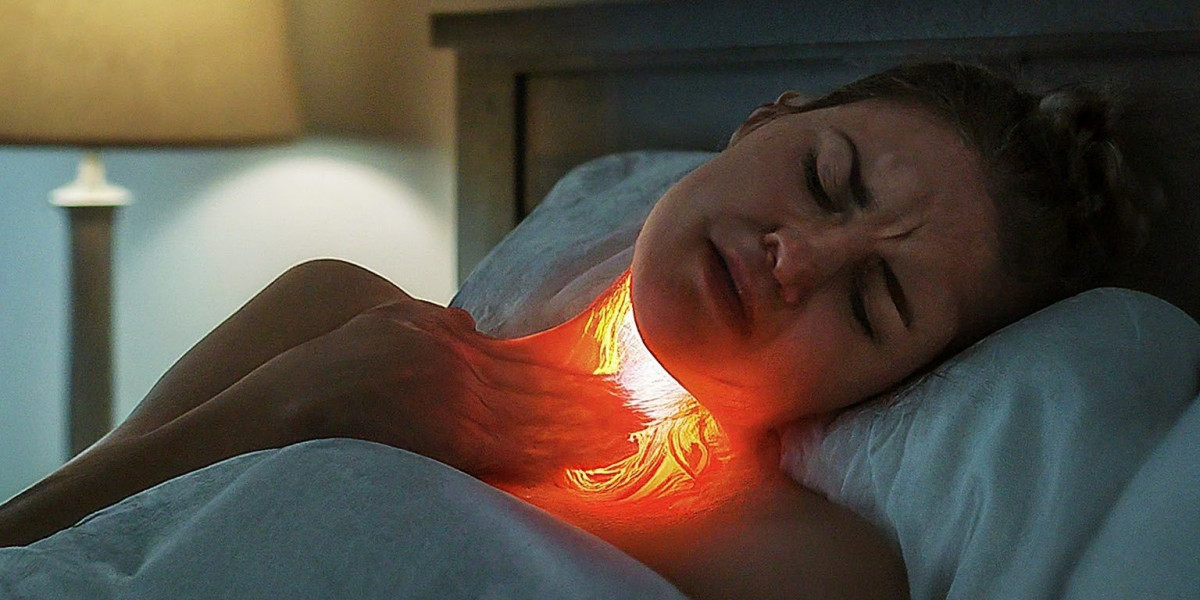

When you deal with acid reflux at night, it can feel like your whole rest is disturbed. You might try to lie down and settle in, yet a burning feeling rises again and breaks your focus. These moments often make you wonder why your throat feels tight or why your chest feels heavy. As you look deeper into your symptoms, you start to see how the connection between GERD and sleep apnea plays a bigger part than you thought. Since both issues affect your airway, they influence each other more than most people realize. And when they show up together, your nights can start to feel even more difficult.
Many people notice that reflux seems stronger when they lie flat. You might wake up coughing or feel something bitter in your throat. At the same time, short breathing pauses from apnea can make those sensations worse. Your body tries to breathe through a narrowed airway, and that pressure pulls acid upward. While these small events may not seem like much, they can build up night after night and leave you feeling tired in the morning.
How Sleep Apnea Affects Your Body
Sleep apnea occurs when your airway becomes too narrow. Your breath stops for a few seconds, sometimes many times each hour. Your body then reacts quickly and wakes you just enough to breathe again. These brief awakenings can happen without you remembering them. Yet, they still break your sleep cycle and make your nights feel disrupted.
You might notice signs of it even during the day. You may feel tired even after hours of sleep. You might wake up with a dry mouth. You could also deal with morning headaches or trouble concentrating. Since your body does not get steady oxygen during the night, your system works harder than it should.
Some common signs include:
- Loud snoring that happens most nights
- Waking suddenly while gasping
- Feeling drained even after long hours of sleep
As these symptoms build, they place stress on different parts of your body. Your heart works harder. Your breathing becomes irregular. Your rest becomes shallow, and the cycle repeats itself.
The Connection Between GERD and Sleep Apnea
Many people don’t realize how closely these two conditions relate. When you look at the connection between GERD and sleep apnea, you start to see how one can trigger the other. GERD can irritate your airway and throat. That swelling makes your breathing harder when you sleep. When your airway becomes narrow, your risk of apnea episodes rises.
On the other side, sleep apnea can push acid upward into your throat. When your airway collapses, you try to breathe against a blocked path. This creates strong pressure inside your chest. That pressure pulls stomach contents up. You may not feel the acid at that moment, but the irritation builds night after night. Over time, you might wake up coughing or feeling like something is stuck in your throat.
You may even find that you avoid lying on your back because it makes your symptoms worse. Some people feel short of breath at night. Others deal with constant soreness in the morning. When acid sits in your throat for long periods, it causes swelling that makes your airway even tighter during sleep.
Both conditions feed into each other in a loop. When one gets worse, the other usually follows. This makes it harder for you to rest and harder for your body to recover.
Why Acid Reflux Often Flares at Night
Reflux seems stronger at night for several reasons. First, gravity is no longer pulling your stomach contents down. So, acid can easily move upward. Second, your muscles relax when you lie down. The valve that keeps acid inside the stomach becomes looser. As a result, acid slips up and irritates your throat.
You may notice certain foods make this worse. Heavy meals, fatty foods, and spicy dishes often trigger reflux. When you eat right before bed, your stomach has to work longer. That extra work leads to more pressure and more irritation.
Some signs your dinner may be affecting your nights include:
- Feeling chest pressure shortly after lying down
- A burning sensation in your throat
- Waking up coughing or clearing your throat
- Trouble falling asleep due to discomfort
Even small changes in what and when you eat can make your nights feel easier.
How Sleep Apnea Worsens GERD Symptoms
Sleep apnea affects your throat in more ways than one. When your breath pauses, your chest pulls air strongly. If your airway is fully or partly blocked, your body pulls hard against that blockage. This strong effort pulls acid upward. That movement irritates your throat and spreads inflammation.
Over time, this irritation becomes a daily problem. You may wake with soreness or hoarseness. You may also feel tightness in your chest that increases when you lie down. Acid reaching your throat at night can make the lining swell. And when your airway swells, apnea episodes become more frequent.
People often notice that treating sleep apnea helps improve reflux. This is because steady breathing reduces the pressure changes in your chest. Better airflow means less strain. That gives your body more time to heal.
Here are a few reasons apnea treatment often helps reflux:
- More stable breathing reduces chest pressure
- Throat tissues stay less irritated
- Airway stays open and calmer during sleep
Lifestyle Changes to Reduce Both Issues
You can take simple steps that help both reflux and sleep apnea. Since your body reacts strongly at night, your evening habits play a large role. If you shift your meal time earlier, your stomach gets more time to settle. Smaller portions also make digestion easier. Your chest won’t feel as full, and your breathing can stay steady.
Raising the head of your bed helps many people. When your chest stays slightly elevated, acid stays down. Your airway also stays more open. Side sleeping often helps as well because it reduces pressure on your throat.
Here are a few habits that may help:
- Eat earlier in the evening
- Choose lighter meals before bed
- Avoid lying down right after eating
- Find sleeping positions that support better breathing
- Drink water regularly to reduce throat irritation
These simple steps often bring slow but steady improvements. As your throat becomes less irritated, your breathing patterns start to settle.
When to Seek Professional Help
You should consider a professional evaluation if you wake up gasping often or if your reflux becomes frequent. Persistent throat irritation, chest discomfort, choking sensations at night, and loud snoring are signs that both conditions may be active. When these issues stack together, they place stress on your heart, lungs, and digestive system.
Early action helps you avoid long-term problems. It also helps you regain control over your nights and mornings.
Final Thoughts
Acid reflux and sleep apnea often happen together. Each condition can make the other worse, leading to restless nights and uncomfortable mornings. When you understand how they interact, you can take steps that make your sleep smoother. Small changes in your eating habits and sleeping positions can ease symptoms over time.
If you feel unsure where to start, you can connect with Midwest Sleep REMedies. Our team can guide you toward better sleep choices with simple and clear support. You can also find effective CPAP-free treatments for apnea if you want safer and easier ways to manage your nighttime breathing.