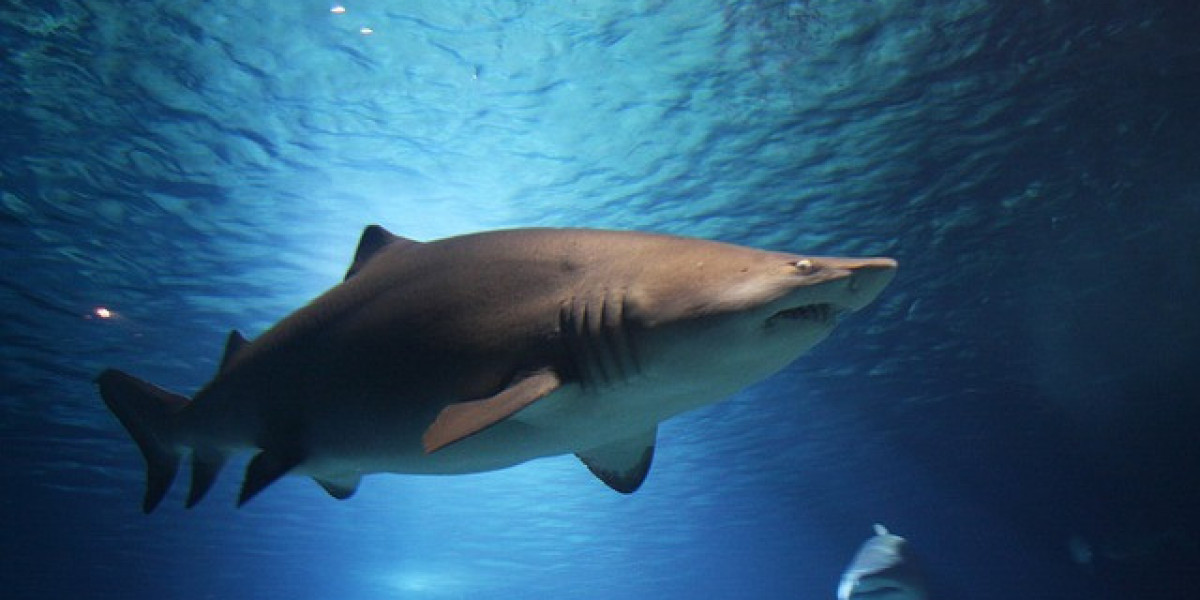

Sharks are often feared, misunderstood, and portrayed as villains — but the truth is completely different. These ancient predators are the backbone of ocean ecosystems. Without sharks, marine life collapses, food webs break down, and the ocean slowly dies.
Sharks are essential because they keep marine ecosystems balanced. They regulate prey populations, remove sick animals, protect habitats like seagrass beds and coral reefs, and support the ocean's overall health and biodiversity.
Sharks Keep the Food Chain in Balance
As top predators, sharks control the population of many species.
Without them:
Prey animals multiply too fast
Fish populations become unbalanced
Weak hunters dominate the ecosystem
By keeping prey numbers in check, sharks prevent the ocean from tipping into chaos.
They Remove Sick and Weak Animals
Sharks don’t just hunt — they clean the ocean.
They target:
Injured fish
Sick animals
Slow or diseased individuals
This natural “removal system” keeps diseases from spreading, improving the health of entire species.
Sharks Protect Coral Reefs
Coral reefs depend on sharks more than most people realize.
Here’s how:
Sharks keep mid-level predators under control
These mid-level predators eat herbivores
Herbivores keep algae in check
Without sharks → more predators → fewer herbivores → algae smothers reefs
Healthy reefs require healthy shark populations.
Sharks Maintain Healthy Seagrass Beds
Tiger sharks and other large species indirectly protect seagrass habitats.
Their presence:
Prevents turtles and dugongs from overgrazing
Keeps herbivore behavior balanced
Allows seagrass to grow back
Seagrass beds are crucial because they store carbon, filter ocean water, and provide habitat for many young marine animals.
They Preserve Genetic Diversity
Sharks help strengthen species by removing weak genetics from prey populations.
This leads to:
Faster evolution
Better survival skills in prey animals
Healthier, stronger marine species
Sharks indirectly help other animals adapt to environmental changes.
Sharks Prevent Population Explosions
Certain species — like rays, squid, and octopus — can explode in number without sharks controlling them.
Overpopulation results in:
Overeating shellfish
Destroying habitat
Reducing fish stocks for humans
Sharks keep everything stable and sustainable.
Oceans Without Sharks Become “Dead Zones”
When shark populations collapse, the ocean begins falling apart.
Effects include:
Declining fish populations
Overgrowth of algae
Coral reef degradation
Habitat destruction
Reduced oxygen levels
Sharks are the foundation of a functioning ocean.
Conclusion
Sharks aren’t just predators—they are architects of the ocean. They control populations, protect fragile habitats, remove disease, and maintain balance across entire ecosystems. Without sharks, the ocean cannot stay healthy. And without a healthy ocean, life on Earth—including humans—faces enormous challenges.
Sharks are essential, powerful, and irreplaceable guardians of our blue planet.
FAQs
Why are sharks so important to the ocean?
Sharks regulate species populations, protect reefs and seagrass beds, and keep marine life balanced and healthy.
What happens if sharks disappear?
Ecosystems collapse, prey populations explode, coral reefs die, and the ocean becomes unstable and unhealthy.
Do sharks help prevent disease?
Yes. Sharks remove sick, weak, and dying animals, preventing disease from spreading in marine environments.
Are sharks endangered?
Many shark species are threatened due to overfishing, habitat loss, and slow reproduction rates.
Do humans depend on sharks?
Indirectly, yes. Healthy oceans support fisheries, oxygen production, climate regulation, and global biodiversity — all of which sharks help maintain.