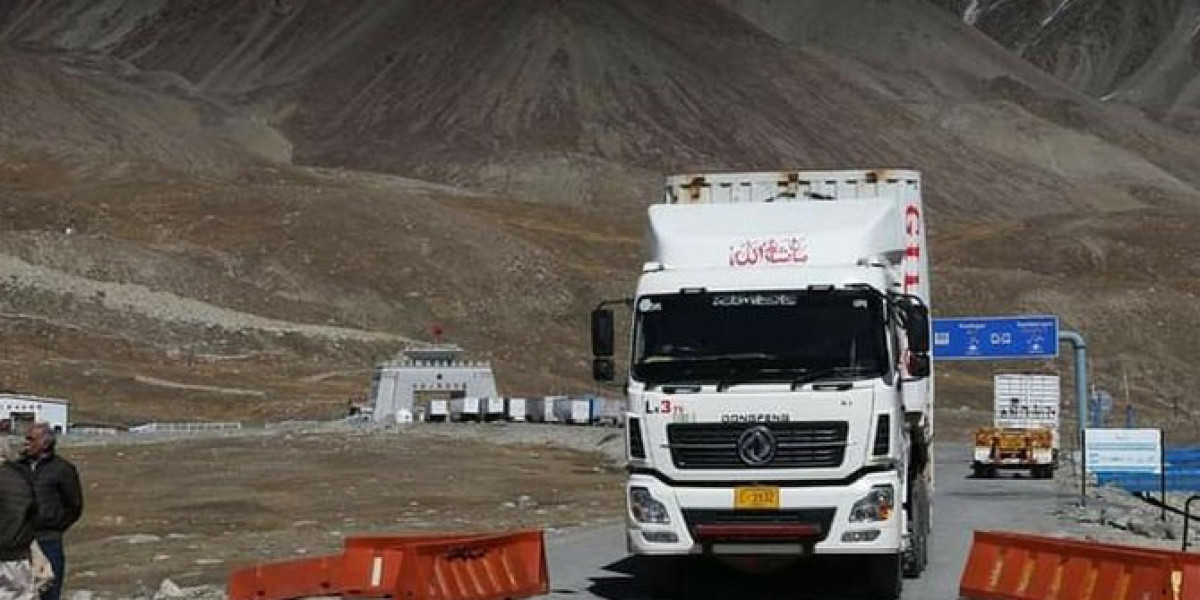

Road freight China to Pakistan has become a crucial transportation method for businesses moving goods between countries, especially along trade corridors like China–Pakistan routes. As fast and flexible as trucking is, it also comes with risks such as accidents, theft, weather damage, and border clearance delays. Two of the most effective ways to protect your shipment and avoid financial loss are:
1) Proper cargo insurance and
2) Accurate documentation.
This guide explains the importance of both and provides practical tips for traders, logistics teams, and businesses using road freight
Why Cargo Insurance Matters in Road Freight
Road transport involves long distances, multiple handling points, and varying road conditions. Even with professional transporters, incidents can happen unexpectedly. Cargo insurance acts as a safety net that protects traders against financial loss caused by:
Road accidents or collisions
Weather-related damage (rain, storms, snow)
Theft or pilferage
Fire
Loading or unloading mishandling
Border delays leading to spoilage (for sensitive goods)
Insurance ensures that—even if something goes wrong—you receive partial or full compensation. Without insurance, the financial loss could be completely yours.
Types of Cargo Insurance for Road Freight
Understanding which type of insurance fits your cargo helps you avoid overpaying or under-insuring.
1. Basic Liability Insurance
Offered by most transport companies.
It covers limited compensation based on cargo weight, not actual value.
Suitable for low-value, non-fragile shipments.
2. All-Risk Cargo Insurance
Provides comprehensive protection against most transport-related risks.
Covers theft, breakage, weather damage, and more.
Ideal for electronics, machinery, high-value goods.
3. Named Perils Insurance
Covers only specific risks listed in the policy, such as fire or collision.
Useful for goods with predictable risk categories like textiles or consumables.
4. Transit Insurance
Covers the shipment only while it is on the road.
Once goods arrive at a warehouse or delivery point, the protection ends.
Choosing the right type depends on your shipment value, risk profile, and budget
Tips for Choosing the Right Cargo Insurance
Selecting the right insurance keeps your financial risk low and your shipment secure.
1. Always Declare the Correct Cargo Value
Under-declaring value to save on premiums creates major problems during claims.
Ensure your commercial invoice reflects the actual worth of your goods.
2. Check the Exclusions List
Some policies do not cover:
Expiry of perishable items
Poor packaging
Delays
Hidden defects
Reading exclusions helps you avoid unpleasant surprises.
3. Ensure Proper Packaging to Maintain Valid Claim Rights
Insurance companies reject claims if packaging is weak or non-standard.
Use:
Double-layer cartons
Pallets for heavy machinery
Waterproof wrapping
Shock-proof materials for electronics
4. Keep Photos and Evidence Before Shipping
Before handing cargo to the transporter, take:
Photos of packing
Photos of goods
Video proof (for expensive items)
Evidence supports your claim in case of damage.
5. Understand Deductibles
Some insurance policies include deductibles (your share in the loss).
Ask your agent to explain how much you will pay if a claim occurs.
Essential Documentation for Road Freight
Even with insurance, your shipment is only safe if documentation is accurate.
Correct paperwork ensures smooth customs clearance, reduced border delays, and protection against penalties.
Below are key documents needed for China–Pakistan road freight or any international trucking movement.
1. Commercial Invoice
A mandatory document showing:
Seller and buyer details
Product description
HS code
Quantity
Unit price
Total value
Terms of sale
Mistakes in invoices cause customs delays or fines.
2. Packing List
Lists every item in the shipment with:
Weight
Dimensions
Number of cartons
Product codes
Border authorities check shipments based on the packing list.
Make sure it matches the actual goods.
3. Cross-Border Transport Permits
When goods move between countries, transport companies must carry legal permits such as:
Truck registration documents
Driver ID
Border clearance forms
Transit permits issued by relevant authorities
These ensure the cargo legally crosses the border without penalties.
4. Certificate of Origin (If Required)
Some shipments need proof of origin to confirm where goods were manufactured.
This is important for:
Trade agreements
Duty reductions
Customs verification
5. Insurance Certificate
Proof that your cargo is insured.
It helps customs officers verify coverage and speeds up claim processes if something happens
6. Road Consignment Note (CMR / Bilty)
The trucking company issues this document. It includes:
Truck details
Goods details
Pickup and delivery points
Delivery instructions
It acts as a receipt and a transport contract.
7. Export and Import Declarations
Both countries require digital or paper declarations to officially register goods exiting or entering the border.
Errors in declarations lead to delays or extra charges
Documentation Tips to Avoid Delays and Extra Costs
1. Avoid Mis-declared Products
Incorrect HS codes or product names cause major delays.
Cross-check with your supplier or customs agent.
2. Keep All Documents in Both Digital and Printed Forms
Border posts sometimes require printed copies.
Digital copies help verify authenticity quickly.
3. Verify Documents at Least 48 Hours Before Shipping
Most delays happen because documents were prepared too late.
Review invoices, packing lists, and permits before dispatching the truck.
4. Work With a Forwarder Experienced in China–Pakistan Road Trade
Experienced forwarders know:
Route regulations
Border requirements
Correct documentation formats
Common mistakes to avoid
This greatly reduces customs processing time.
Conclusion
Cargo insurance and proper documentation are two pillars of secure and smooth road freight transport. When transporting goods between countries—especially along major trade corridors like China to Pakistan—traders face risks ranging from weather damage to administrative delays.
By choosing the right insurance, preparing accurate documents, ensuring proper packaging, and working with experienced logistics partners, businesses can protect their cargo, reduce losses, and guarantee successful delivery every time.