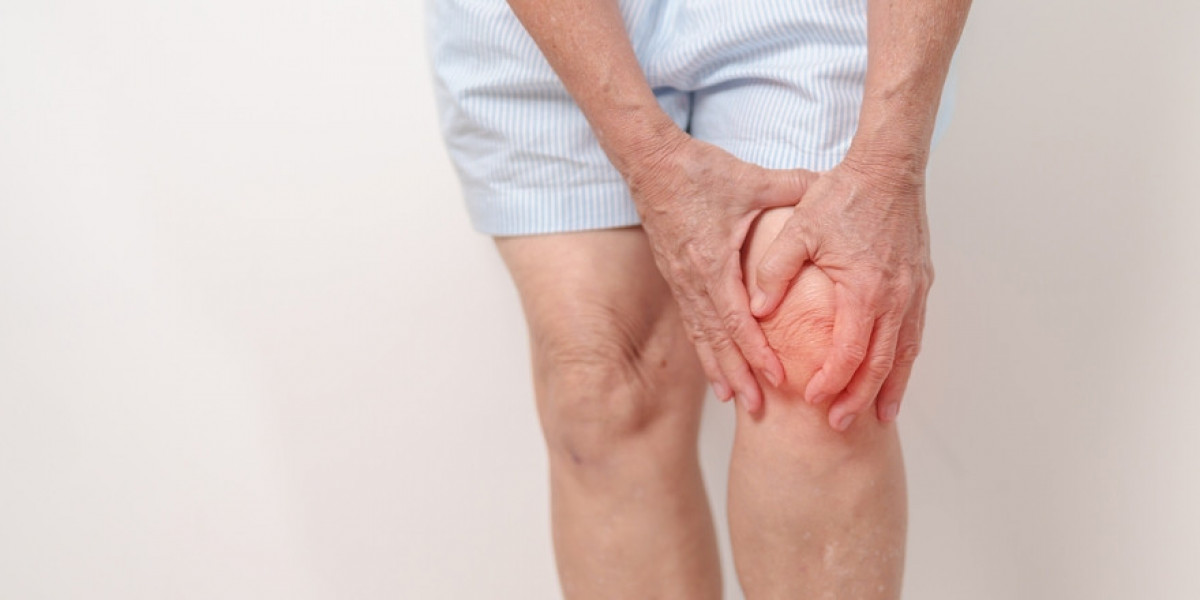

Knee osteoarthritis (OA) is one of the most common causes of chronic joint pain, yet many people don’t fully understand why their discomfort gradually intensifies year after year. The progression of OA isn’t random—it follows predictable patterns influenced by cartilage breakdown, inflammation, mechanical stress, and individual health factors. In many cases, early symptoms may be subtle, but as the disease advances, pain can grow more persistent and mobility more limited.
To understand why knee pain becomes more severe, it’s important to first recognize the underlying causes of advanced knee osteoarthritis, which range from biological changes inside the joint to lifestyle factors that accelerate wear and tear.
What Happens Inside an Osteoarthritic Knee?
Osteoarthritis is commonly described as “wear and tear,” but the process is more complex than simple deterioration. A healthy knee relies on smooth articular cartilage that allows bones to glide effortlessly. It also depends on balanced joint lubrication, cushioning meniscus tissue, and stable ligaments.
In OA, several changes occur simultaneously:
- Cartilage thins, losing its ability to cushion the joint
- Inflammation increases, irritating tissues and causing swelling
- The synovial membrane becomes overactive, producing enzymes that damage cartilage
- Bone spurs (osteophytes) form, interfering with movement
- The joint space narrows, reducing mobility
- Mechanical alignment shifts, placing greater stress on certain areas
These interacting mechanisms gradually change how the joint functions—and how the knee feels.
Why Knee Pain Gets Worse as OA Progresses
Understanding OA progression is critical for managing symptoms and slowing decline. Several key factors explain why pain intensifies over time.
1. Progressive Cartilage Breakdown
Cartilage is not only slow to heal—it often cannot repair itself at all. As cartilage thins, the joint loses its natural shock absorber. The bones begin absorbing more of the impact during movement, leading to:
- Pain when walking
- Discomfort when climbing stairs
- Difficulty standing up from seated positions
- Aching after physical activity
As degeneration continues, even simple daily movements can trigger discomfort.
2. Increasing Inflammation Inside the Joint
Inflammation is both a consequence and a driver of OA. Early in the disease, inflammation may be minimal, but as cartilage particles break off and circulate through the joint, the immune system responds by sending in inflammatory cells.
This causes:
- Swelling
- Warmth
- Stiffness
- Tenderness
Chronic inflammation can worsen cartilage damage, creating a cycle that drives progression and intensifies pain.
3. Bone Spurs That Limit Movement
As cartilage wears away, the body attempts to stabilize the joint by creating new bone tissue near damaged surfaces. These bone spurs, or osteophytes, often form near the joint margins and can interfere with normal movement.
They may cause:
- Catching or locking sensations
- Increased stiffness
- Grinding or cracking noises (crepitus)
- Sharp pain during bending or twisting
As bone spurs enlarge, pain typically worsens.
4. Declining Muscle Strength and Joint Stability
When knee pain begins, people naturally reduce movement to avoid discomfort. Over time, this can weaken the muscles surrounding the knee—especially the quadriceps and hamstrings.
Weak muscles increase:
- Joint instability
- Misalignment
- The risk of falls
- Strain on ligaments
A weaker knee is more prone to injury and less able to manage daily stress, accelerating cartilage loss and worsening pain.
5. Changes in Joint Alignment
As OA progresses, the shape of the knee joint can begin to change. Some people develop:
- Varus alignment (bow-leggedness)
- Valgus alignment (knock-kneed stance)
These alignment shifts redistribute force unevenly across the knee, concentrating stress on one compartment. Over time, this fuels further degeneration in the overloaded area.
The resulting change in biomechanics increases mechanical pain and makes activities like walking and climbing stairs increasingly uncomfortable.
6. Loss of Joint Lubrication
Synovial fluid is essential for smooth joint movement. In OA, inflammation disrupts the quality and quantity of this fluid. With inadequate lubrication:
- Movement becomes more abrasive
- Friction increases
- Discomfort grows during physical activity
The loss of lubrication also reduces shock absorption, contributing to the feeling of “bone-on-bone” pain associated with advanced OA.
7. Worsening Morning Stiffness and Reduced Flexibility
Over time, chronic inflammation and scar tissue formation make the joint stiffer. Patients often describe:
- Difficulty bending the knee
- Trouble straightening the leg fully
- Pain during squatting or kneeling
- Reduced stride length while walking
Stiffness and limited range of motion often appear long before radiographic evidence shows severe degeneration.
8. The Role of Lifestyle and Health Factors
The speed at which knee OA progresses varies widely, influenced by several factors:
Weight
Excess weight adds pressure to the knee—every extra pound translates to roughly four pounds of force on the joint during movement.
Activity Levels
Sedentary lifestyles weaken muscles, while high-impact activities can accelerate wear.
Previous Injuries
Meniscus tears, ACL injuries, or fractures can alter joint mechanics and increase OA risk.
Genetics
Some people are more predisposed to cartilage degeneration.
Inflammatory Health Conditions
Metabolic syndrome, diabetes, and chronic inflammation can all worsen OA symptoms.
Even if OA begins slowly, these factors can accelerate progression, making knee pain more severe over time.
How People Experience OA Progression Day to Day
The progression of osteoarthritis is not always linear. Many patients experience:
- Good days and bad days
- Worse pain during weather changes
- Flare-ups after overuse
- Periods of relative stability
However, the overall pattern tends to be a steady decline in cartilage health, mobility, and comfort.
People often start by noticing mild discomfort during exercise, then pain during daily tasks, and eventually, pain at rest or overnight.
Can You Slow Osteoarthritis Progression?
The good news is that while OA is degenerative, its progression can often be slowed—sometimes significantly.
Exercise and Strengthening
Targeted exercises that strengthen the quadriceps, hamstrings, glutes, and hip muscles help stabilize the knee and reduce joint strain.
Weight Management
Losing even a small amount of weight can dramatically reduce pain and slow degeneration.
Low-Impact Activity
Swimming, cycling, or elliptical training maintain mobility without overloading the joint.
Physical Therapy
Improving mobility, alignment, and gait can reduce mechanical stress.
Assistive Devices
Braces, orthotics, or walking aids may offload pressure from damaged areas.
Anti-Inflammatory Interventions
Medications, injections, and dietary strategies can reduce inflammation and discomfort.
Modern Treatments
Options such as viscosupplementation, platelet-rich plasma (PRP), or other biologic interventions may help some patients, depending on disease severity.
Though OA cannot be reversed, many individuals see meaningful improvements when they begin treatment early and stay proactive
When Knee Pain Signals Advanced OA
As OA moves toward later stages, symptoms typically intensify:
- Pain persists even during rest
- Swelling becomes more frequent
- Bone-on-bone sensations develop
- Walking distances shrink
- Joint deformity becomes more visible
- Sleep disturbances increase due to pain
These signs indicate significant structural changes and often require more intensive management strategies or surgical consultation.
Final Thoughts: Understanding OA Progression Empowers Better Care
Knee osteoarthritis is a lifelong condition, but its progression doesn’t have to define your future mobility or comfort. Understanding why knee pain worsens over time helps you recognize changes early, seek appropriate treatment, and make lifestyle adjustments that protect joint health. The more informed you are about OA progression, the more effectively you can take control of symptoms and maintain an active, fulfilling life.
For those interested in learning about new therapies, research opportunities, and emerging treatment strategies for knee osteoarthritis, you can Get Involved in Osteoarthritis Knee Research to stay informed and explore current options.