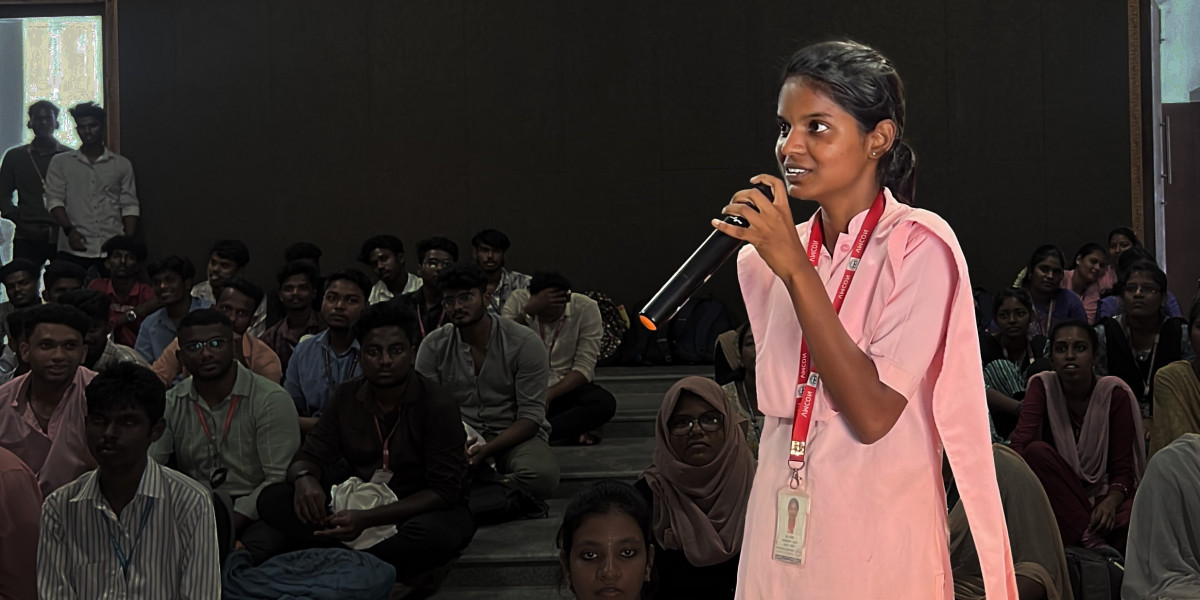

In every school, in every classroom, there are educators striving to do better for their students. They may not always have access to large budgets, new infrastructure, or advanced technology—but what they do have is the ability to make small, thoughtful adjustments in how teaching and learning happen every day. These small, strategic adjustments, often described as micro improvements, are quietly transforming India’s education landscape one classroom at a time.
At Shikshagraha, the belief is simple: when teachers are empowered to experiment, reflect, and refine their practices in small but consistent ways, meaningful and sustainable change becomes possible. Micro improvements help bridge the gap between aspiration and action, especially within diverse and resource-constrained learning environments. They allow educators to innovate without feeling overwhelmed, creating a culture of continuous learning that naturally spreads across schools.
Why Micro Improvements Matter
Large reforms often require significant planning, policy shifts, and funding. While these are important, they can take years to implement. Micro improvements, on the other hand, are immediate, teacher-driven, and highly contextual. They focus on enhancing what already exists rather than waiting for new systems to arrive.
A teacher who rearranges the seating for better peer collaboration, uses simple exit cards to check understanding, starts a daily five-minute reading habit, or tailors questions to encourage critical thinking is initiating micro-level change that directly impacts student engagement and learning outcomes.
These changes may look small from the outside, but when repeated consistently, they build momentum. Micro improvements allow teachers to:
Respond quickly to student needs
Test approaches without fear of failure
Reflect and iterate based on real results
Share successful practices with peers
Create long-lasting, scalable habits
Over time, such shifts create a ripple effect—one classroom influences another, one teacher inspires many, and one school becomes a catalyst for its entire community.
The Rise of Changemakers in Education
India’s education system is filled with passionate individuals who are committed to doing better for their learners. These changemakers in education include teachers, school leaders, trainers, volunteers, and administrators who see challenges not as barriers but as opportunities to innovate.
A changemaker is someone who refuses to accept that “this is just how things are.” They experiment with new strategies, observe the impact, learn from the process, and refine their approach. They also encourage others to try small changes, creating an atmosphere where improvement becomes a shared journey.
Changemakers do not wait for permission. They act.
For instance, a teacher who notices that students struggle with writing might introduce short daily journal entries to strengthen expression. Another who wants to boost participation may begin using simple hand signals for quick formative assessment. A school leader aiming to strengthen collaboration may start weekly reflection circles. Each of these efforts represents a micro improvement that slowly shapes a stronger learning culture.
These champions often become role models within their communities, demonstrating that every teacher—regardless of school type, resource level, or location—has the capacity to lead change.
Building a Network of Changemakers
One of the most powerful aspects of the micro improvement movement is the way it connects educators across the country. Through platforms, workshops, communities of practice, and peer-learning sessions, a Network of changemakers is emerging—one that supports, inspires, and learns from one another.
Shikshagraha plays a key role in nurturing this network. By providing space for educators to share their experiments, successes, and challenges, it helps teachers see that they are not working alone. When teachers come together, improvement accelerates. A strategy tried in a rural classroom can benefit an urban school; a challenge faced by one teacher may have already been resolved by another.
This collaborative ecosystem encourages:
Idea exchange: Teachers share practical micro improvements that others can replicate.
Collective problem-solving: Common challenges are discussed openly with diverse solutions.
Peer motivation: Seeing others take initiative inspires more educators to try new approaches.
Professional pride: Teachers feel recognized for their contributions to change.
A strong Network of changemakers does more than amplify good practices—it strengthens teacher agency. It helps educators trust their ability to innovate and take ownership of their professional growth. As this network expands, the micro improvement movement becomes self-sustaining, powered by educators who believe in continuous change.
What Micro Improvements Look Like in Action
The strength of micro improvements lies in their simplicity. A few examples include:
Introducing a “Do Now” activity at the start of each class
Using colour-coded flashcards to check comprehension levels in real time
Allowing students to explain concepts in their own words before formal teaching
Creating simple anchor charts that remain visible for learning reinforcement
Establishing weekly “student-led teaching moments.”
Having short reflection breaks where learners share what they understood or found challenging
These strategies do not require special materials or training; they rely on teacher creativity and commitment. When teachers see the positive response from students, they naturally feel encouraged to continue experimenting.
The Road Ahead
Micro improvements remind us that meaningful educational transformation doesn’t always emerge from massive interventions. Sometimes, it is the small, thoughtful adjustments that spark the biggest shifts.
As more educators join hands and become part of the growing Network of changemakers, India’s classrooms will continue to evolve—one simple idea at a time. With every micro improvement, we move a step closer to a future where every child has access to engaging, thoughtful, and empowering learning experiences.
Shikshagraha stands alongside these changemakers in education, celebrating their efforts and amplifying their impact. Together, through consistent small steps, we can build a stronger, more collaborative, and more joyful ecosystem of learning.