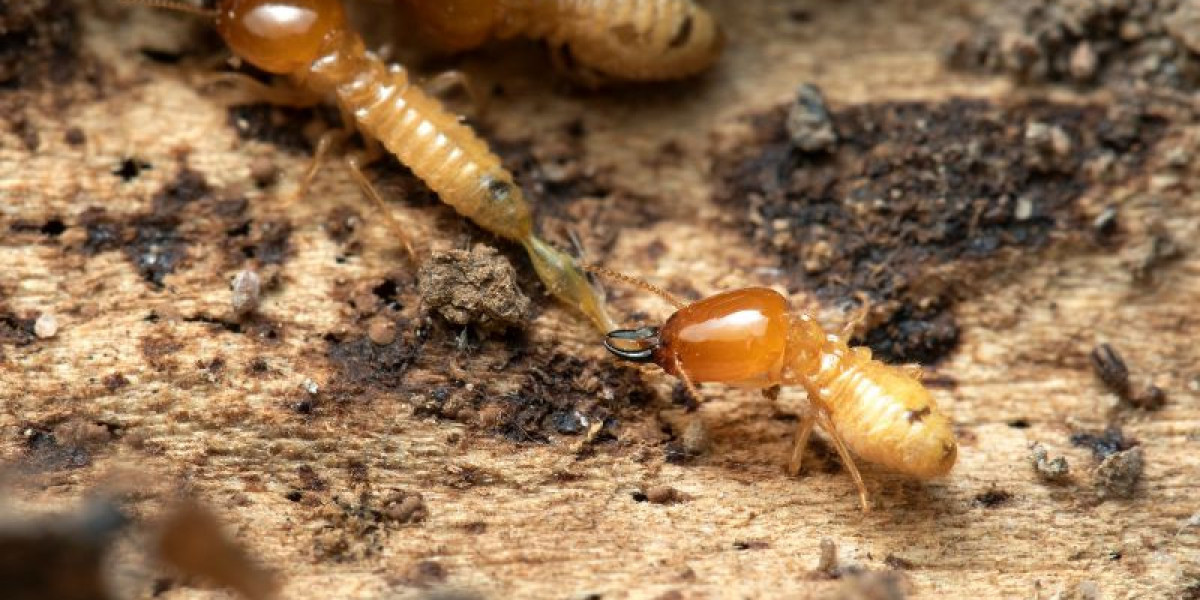

Termites are among the most destructive pests a homeowner can encounter. Often referred to as “silent destroyers,” termites can cause severe damage to your home without you even realizing it. By the time the damage becomes visible, the cost of repairs can be significant, and the structural integrity of your property may already be compromised. This makes regular termite inspections an essential part of home maintenance.
But how do you know when it’s time to call a professional for a termite inspection? Understanding the signs of termite activity and being proactive about inspections can save you from costly repairs and long-term damage. In this article, we’ll explore the key signs that indicate it’s time for a termite inspection and why early detection is crucial.
Why Is a Termite Inspection Important?
Before diving into the signs that you need a termite inspection, it’s important to understand why these inspections are so critical. Termites are notorious for their ability to cause damage without being detected until the situation becomes dire. Unlike other pests, termites usually live in hidden areas and often go unnoticed for months or even years. They feed on wood, insulation, paper, and other cellulose-based materials in your home, which can lead to structural weakening and costly repairs.
A termite inspection is the first line of defense against these destructive insects. A professional pest control technician will assess your home for signs of infestation, structural damage, and conditions that could attract termites. Early detection through an inspection can:
Prevent extensive damage: The sooner termites are detected, the less damage they can cause. Regular inspections help catch infestations early.
Save you money: Addressing a termite problem early can prevent costly repairs that arise from severe infestations.
Maintain your home’s value: Homes with a history of termite damage can lose value. A termite inspection ensures your property remains in good condition and maintains its market value.
Signs It’s Time for a Termite Inspection
While it’s a good idea to have an annual termite inspection, there are certain signs that should prompt you to schedule one immediately. If you notice any of the following red flags, it may be time to call a professional:
1. Mud Tubes on Your Foundation or Walls
Mud tubes are one of the most common signs of a termite infestation. These tubes are built by subterranean termites to protect themselves from predators and dehydration as they travel between their underground colony and the wood in your home. Mud tubes are usually found along foundation walls, exterior walls, or in basements and crawl spaces.
If you spot these mud tubes, it’s a clear indication that termites are active in your home. Even if you don’t see live termites inside the tubes, it’s important to have them inspected by a professional.
2. Hollow-Sounding Wood
Termites feed on wood, and over time, they hollow out the wood in your home, leaving only a thin, fragile outer shell. This damage may not always be visible on the surface, but it can be detected by tapping on wooden surfaces.
If the wood sounds hollow when tapped, it may be a sign that termites have been feeding on it. A professional inspection can confirm whether termites are present and help assess the extent of the damage.
3. Discarded Wings or Swarming Insects
In the spring or early summer, termites send out their reproductive members (called “swarmers”) to start new colonies. These swarmers are typically dark-colored, winged insects that fly in large groups to find mates and establish new colonies. As they swarm, they shed their wings, which can accumulate near windowsills, doors, or other areas.
If you notice piles of discarded wings around your home or see swarming insects near windows or light sources, this is a clear indication that a termite colony is nearby or has already established itself within your home. A termite inspection should be scheduled immediately to evaluate the situation.
4. Damaged or Discolored Wood
Wood that is warped, buckling, or has visible damage (like holes or tunnels) may indicate a termite infestation. While termites don’t always leave obvious visible signs, significant damage can be an indication that they have been feeding for some time.
Additionally, if the wood appears discolored or stained, it could be a sign of moisture buildup, which can attract termites. Inspecting these areas early on can prevent extensive damage from occurring.
5. Presence of Termite Droppings (Frass)
Termites, especially drywood termites, produce small, pellet-like droppings called “frass.” These droppings are often found near the point of infestation and can be a sign of an active termite colony. Frass is typically a dark brown or black color and is often found on floors, around wooden surfaces, or near furniture.
If you see frass accumulating in areas of your home, it’s important to get a termite inspection right away. While frass alone may not confirm an infestation, it’s a strong indicator that termites are feeding nearby.
6. Peeling or Bubbling Paint
If you notice peeling, bubbling, or blistered paint on wooden surfaces, this could be a result of termites feeding beneath the surface. As termites burrow through the wood, they create tiny air pockets that can cause the paint to peel or bubble.
While peeling paint can have other causes (such as water damage), it’s a good idea to have it checked by a professional if you also notice other signs of termite activity. Termites can cause paint damage as they move through the wood, and it may be a warning sign that they’re present in your walls.
7. Moisture Problems or Leaks
Termites thrive in moist environments, so areas with water damage, leaks, or high humidity are prime locations for infestations. If your home has experienced flooding, leaking pipes, or issues with drainage, this can create the perfect conditions for termites to invade.
Termites are particularly attracted to wood that has been dampened by water, as it’s easier for them to consume. If you have moisture problems in your home, it’s crucial to address them and schedule a termite inspection to ensure that no termites have moved in.
8. Damage to Wooden Furniture or Fixtures
If you notice damage to wooden furniture, beams, or fixtures, termites may be to blame. Drywood termites are particularly notorious for infesting furniture, cabinets, and structural wood inside your home. Their feeding can cause visible damage to the wood, leaving holes and tunnels.
In some cases, this damage may go unnoticed until it becomes severe. If you suspect termites are causing problems with your wooden furniture or fixtures, contact a professional for a full inspection.
How to Prepare for a Termite Inspection
If you’ve noticed any of the signs listed above, it’s time to schedule a termite inspection. Here’s how to prepare for the inspection to make the process go smoothly:
Clear Access to Key Areas: Make sure the pest control technician can easily access crawl spaces, attics, and basements. Move any furniture or items blocking access to these areas.
Provide Information: Let the inspector know if you’ve experienced any past termite problems or if you’ve noticed any unusual activity. This information will help them focus their search.
Be Present During the Inspection: If possible, be available to ask questions and get a better understanding of the inspector’s findings.
What Happens After the Inspection?
Once the inspection is complete, the pest control technician will provide you with a detailed report outlining their findings. If termites are found, they will recommend treatment options based on the severity of the infestation. Treatment methods may include liquid termiticides, baiting systems, or fumigation.
If no termites are found, the inspector will advise on preventive measures to reduce the risk of future infestations, such as sealing cracks, fixing moisture problems, or installing termite barriers.
Conclusion
Termite infestations are a serious threat to your home, but early detection can prevent significant damage. By recognizing the signs of termites and scheduling regular inspections, you can protect your property from these destructive pests. If you notice any of the warning signs mentioned in this article—such as mud tubes, swarming insects, or damaged wood—don’t wait. Call a professional pest control expert for a thorough inspection and take immediate action to safeguard your home. Early intervention is the key to preventing costly repairs and ensuring your home remains safe and secure for years to come.