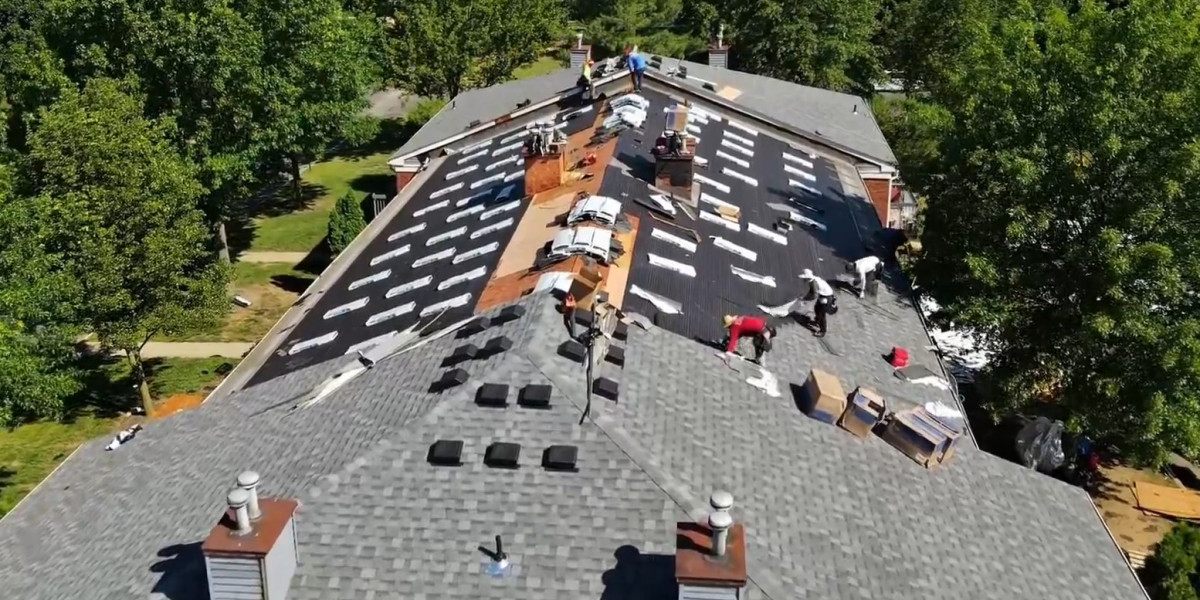

Fortified roofing systems are engineered for durability and resilience, offering homeowners enhanced protection during severe weather events. These roofs are evaluated through a formal roofing certification process that ensures every system is installed correctly. Understanding the systems involved highlights why fortified roofs outperform traditional roofing solutions.
Continuous Load Path System
The continuous load path system connects the roof to the walls and foundation, allowing wind forces to be transferred safely through the structure. This system includes metal connectors, straps, and reinforced joints.
Without a continuous load path, roofs are more susceptible to failure during storms. This system is a foundational requirement for roofing certification.
High-Performance Underlayment System
Fortified roofs use advanced underlayment systems instead of traditional felt paper. These high-performance materials are more resistant to tearing, moisture, and wind uplift.
The underlayment acts as a secondary line of defense against water intrusion. Inspectors verify underlayment type and installation methods when granting roofing certification.
Wind-Rated Roofing Coverings
Roof coverings in a fortified system must meet specific wind resistance ratings. Shingles, metal panels, or tiles are selected based on their tested performance in high-wind conditions.
Installation techniques, including fastener placement and adhesive application, must strictly follow fortified standards to qualify for roofing certification.
Ventilation and Moisture Management
Proper ventilation is an often-overlooked system in fortified roofs. Balanced airflow reduces heat and moisture buildup, protecting the roof deck and structural components.
Effective moisture management supports long-term durability and may be reviewed as part of the roofing certification evaluation.
Conclusion
A fortified roof integrates several systems to deliver maximum protection. Continuous load paths, advanced underlayments, wind-rated coverings, and proper ventilation all contribute to performance. With roofing certification, homeowners gain assurance that these systems meet rigorous resilience standards.