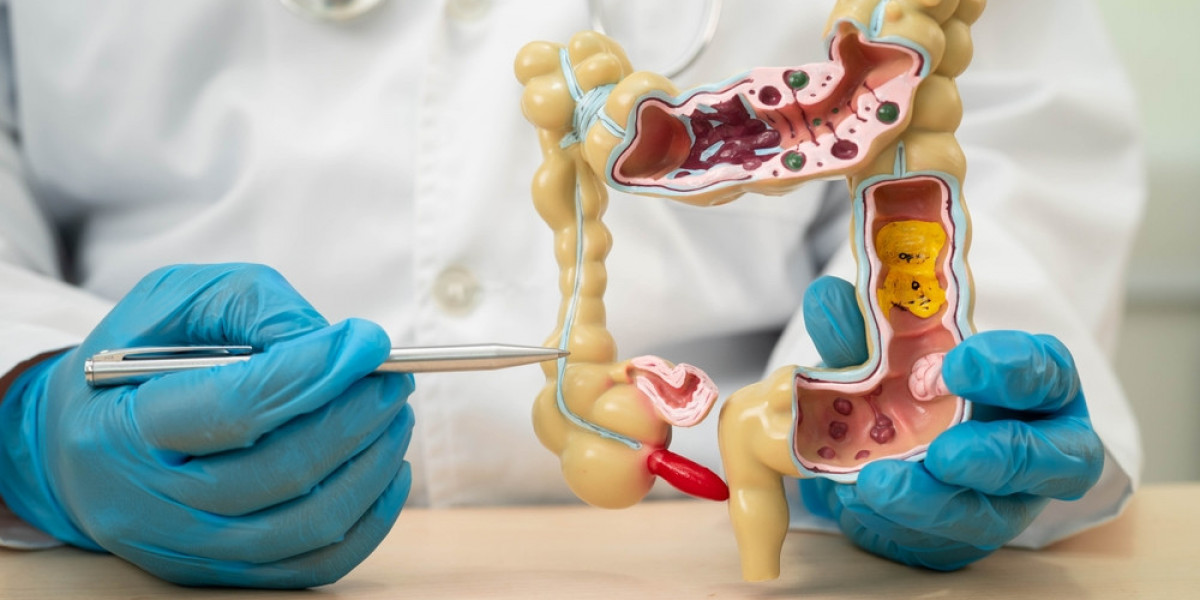

Ulcerative proctitis is one of the most localized forms of inflammatory bowel disease. It affects only the rectum, yet the symptoms can still be disruptive and uncomfortable. Many patients struggle for months before receiving an accurate diagnosis, often mistaking the condition for hemorrhoids or minor digestive issues. Understanding the condition is the first step toward managing it effectively.
This guide will help patients recognize early symptoms, understand the causes, and learn about the most effective therapies available today. To help you get started, this introduction focuses on the diagnosis and treatment of ulcerative proctitis, which are essential for achieving symptom control and preventing long term complications.
What Is Ulcerative Proctitis
Ulcerative proctitis occurs when the lining of the rectum becomes inflamed. It is considered a subtype of ulcerative colitis, although its inflammation is limited to the final section of the large intestine. The rectum plays a major role in stool storage and elimination, which is why even minor inflammation in this area can cause noticeable symptoms.
Ulcerative proctitis is usually chronic. Patients may experience periods of flare ups followed by remission. This pattern of fluctuation can affect quality of life, emotional wellbeing, and daily routines. Although the condition is confined to a small area, its symptoms should never be ignored because early treatment helps prevent the disease from spreading further into the colon.
Common Symptoms of Ulcerative Proctitis
Identifying symptoms early increases the chances of receiving the correct diagnosis. Here are the most frequent signs patients experience.
Rectal Bleeding
This is one of the most common and alarming symptoms. Patients often notice bright red blood on toilet paper or mixed with stool. Bleeding occurs because the inflamed rectal lining becomes fragile and irritated.
Urgency to Have a Bowel Movement
Many patients feel a sudden and strong urge to use the restroom, even when the rectum is nearly empty. This feeling often persists throughout the day and may be accompanied by discomfort or pain.
Mucus in Stool
Inflammation can cause the rectum to produce excess mucus, which may appear in the stool. This is often one of the earliest signs.
Tenesmus
Tenesmus refers to the constant sensation of needing to pass stool even when the bowels are empty. This symptom can be extremely distressing and may interfere with daily activities.
Rectal Pain or Pressure
Inflammation in the rectal lining can cause a feeling of fullness, cramping, or discomfort, particularly during bowel movements.
Mild Diarrhea or Changes in Stool Form
Although ulcerative proctitis does not usually cause severe diarrhea, patients may notice softer stools or minor changes in bowel habits.
Fatigue
Chronic inflammation and recurrent bleeding can lead to anemia, which causes fatigue and low energy levels.
What Causes Ulcerative Proctitis
There is no single known cause of ulcerative proctitis. However, several factors contribute to the condition and influence its severity.
Immune System Dysfunction
Ulcerative proctitis is considered an autoimmune condition. The immune system mistakenly attacks the lining of the rectum, causing inflammation and irritation.
Genetic Predisposition
Having a family history of inflammatory bowel disease increases the risk. Genes that regulate immune response are believed to play a major role.
Environmental Factors
Infections, changes in gut bacteria, or exposure to certain medications can contribute to the development or worsening of symptoms.
Lifestyle Factors
Although lifestyle does not directly cause the condition, stress, smoking, and poor diet may influence symptoms and flare frequency.
How Ulcerative Proctitis Is Diagnosed
Diagnosing ulcerative proctitis can be complicated because many of its symptoms overlap with hemorrhoids, anal fissures, or infections. A thorough evaluation by a gastroenterologist is essential.
Patient History and Symptom Review
The doctor will begin by asking about the nature, duration, and frequency of symptoms. They may inquire about bowel habits, bleeding patterns, and family history of digestive conditions.
Physical Examination
A simple external exam may help rule out conditions like hemorrhoids or fissures. However, ulcerative proctitis requires a deeper look inside the rectum for accurate diagnosis.
Sigmoidoscopy or Colonoscopy
A flexible tube with a camera is used to examine the rectum directly. Sigmoidoscopy is often sufficient since the inflammation is limited to the rectum. During the procedure, the doctor may take tissue samples to confirm inflammation and rule out infection.
Stool Tests
Stool samples may be collected to detect infections, inflammation markers, or blood that is not visible to the eye.
Blood Tests
Blood tests help identify anemia, inflammation, and immune activity. They also help doctors monitor treatment progress over time.
Treatment Options for Ulcerative Proctitis
Treatment depends on the severity of the condition, the frequency of flare ups, and how the patient responds to medication. Most therapies aim to reduce inflammation, relieve symptoms, and prevent disease progression.
Topical Medications
Since the inflammation is localized, topical treatments are often the first and most effective option. These medications are delivered directly into the rectum in the form of suppositories, enemas, or foams.
Topical Mesalamine
Mesalamine is a common anti inflammatory medication used to treat mild to moderate cases. Suppositories are typically very effective because they directly target the inflamed area.
Topical Corticosteroids
Steroid suppositories or enemas help reduce inflammation during active flares. They are usually prescribed for short term use.
Oral Medications
For patients who do not respond to topical therapies, oral medications may be used to control inflammation.
Oral Mesalamine
This medicine reduces inflammation throughout the colon. It is often used when the condition begins spreading or when topical therapy is not enough.
Oral Steroids
Prednisone may be prescribed for severe flare ups, but long term use is avoided due to potential side effects.
Immunomodulators and Biologics
When ulcerative proctitis becomes difficult to control or progresses into more extensive ulcerative colitis, stronger medications may be required.
Immunomodulators
Drugs like azathioprine or 6 mercaptopurine help regulate the immune system and reduce inflammation.
Biologics
Biologics are advanced therapies that target specific inflammatory pathways. They are used for moderate to severe disease that does not respond to standard treatments.
Lifestyle and Dietary Support
Lifestyle changes can support medical treatment and improve overall wellbeing.
Dietary Adjustments
While no specific diet cures ulcerative proctitis, some patients benefit from avoiding trigger foods such as caffeine, spicy meals, or high fat dishes. Eating smaller, frequent meals and staying hydrated is helpful during a flare.
Stress Management
Stress can intensify symptoms. Techniques such as deep breathing, yoga, meditation, or counseling may help reduce flare frequency.
Regular Monitoring
Routine check ups ensure that the condition is stable and treatment is effective. Monitoring can also detect early signs of disease progression.
When to Seek Medical Help
Patients should contact their healthcare provider if they notice any of the following:
- Increased rectal bleeding
- Severe abdominal pain
- Persistent diarrhea
- Fever or signs of infection
- Fatigue that affects daily life
- Weight loss or nutritional deficiencies
Prompt evaluation prevents complications and ensures that treatment can be adjusted when needed.
Conclusion
Ulcerative proctitis may be limited to the rectum, but its symptoms can significantly affect comfort and daily functioning. Early recognition and timely treatment are essential for maintaining long term health. With the right combination of medical care, lifestyle changes, and regular monitoring, most patients can achieve remission and enjoy a better quality of life.
As research progresses and new therapies are developed, patients can benefit from improved treatment outcomes. Those who want to stay informed about evolving therapies and scientific advances should follow the progress of ulcerative colitis clinical trials, which continue to shape the future of inflammatory bowel disease care.