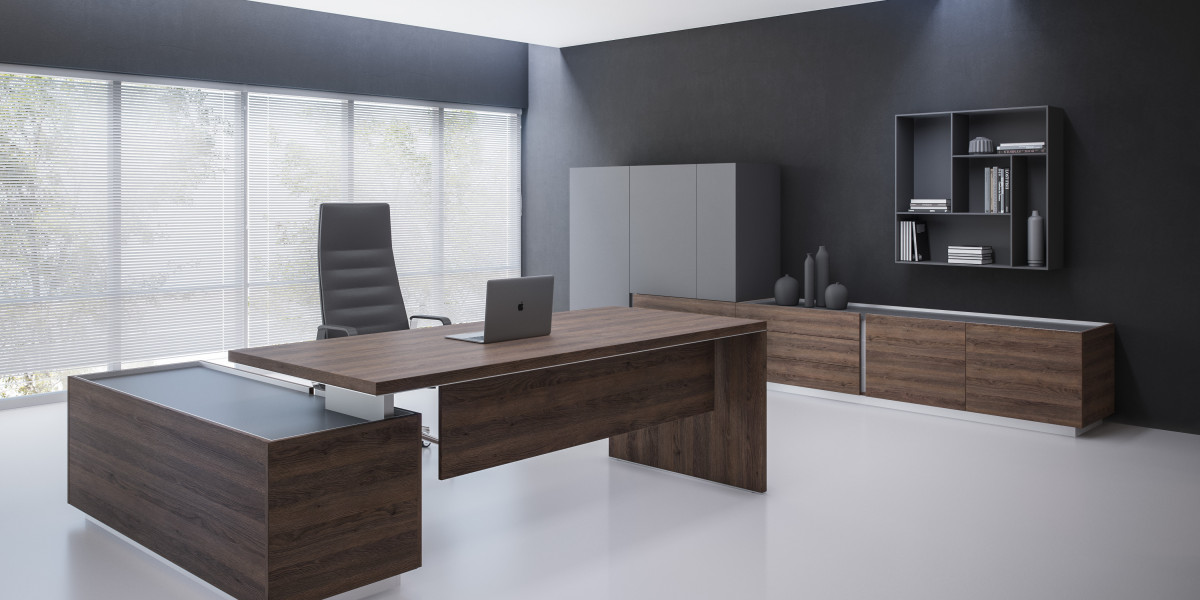

In today's world, where many of us spend hours sitting at desks, the significance of an ergonomic chair cannot be overstated. While it might seem like a simple piece of furniture, the right chair can profoundly impact your health, productivity, and overall well-being. Whether you are a remote worker, a student, or someone who spends long hours at the office, understanding the benefits and features of an ergonomic chair is essential.
Why an Ergonomic Chair Matters
Most people underestimate the cumulative effect of poor posture and uncomfortable seating. Sitting for extended periods on a non-supportive chair can lead to back pain, neck stiffness, poor circulation, and even long-term spinal issues. Studies have shown that office workers spend nearly 70% of their day sitting, making the chair one of the most critical tools in maintaining health and productivity.
An ergonomic chair is designed specifically to support the natural curves of the spine, promote proper posture, and reduce strain on muscles and joints. Unlike standard chairs, these chairs are not just about comfort—they are about sustaining health, energy, and focus over long periods.
Key Features to Look for in an Ergonomic Chair
When selecting an ergonomic chair, there are several features to consider that can make a significant difference in your experience:
1. Adjustable Seat Height
The ability to adjust the seat height ensures that your feet rest flat on the floor, with knees at a 90-degree angle. Proper leg positioning helps improve circulation and prevents fatigue.
2. Lumbar Support
A quality ergonomic chair provides firm support to the lower back, encouraging the natural S-shape of the spine. Some chairs come with adjustable lumbar support, allowing you to fine-tune it according to your body shape and posture preferences.
3. Adjustable Armrests
Armrests that can move up, down, forward, or backward reduce strain on shoulders and arms. Proper arm support can prevent repetitive strain injuries, especially if you type or use a mouse for long periods.
4. Seat Depth and Cushioning
The seat should comfortably support your thighs without putting pressure behind the knees. Adequate padding ensures comfort during prolonged sitting while encouraging proper posture.
5. Recline and Tilt Functions
Chairs with adjustable recline or tilt features allow you to change positions throughout the day, which reduces the risk of stiffness and promotes better blood circulation.
6. Swivel and Mobility
A chair that swivels and has smooth-rolling casters enhances mobility and reduces the strain caused by twisting or reaching for items around your desk.
Health Benefits of Using an Ergonomic Chair
Investing in an ergonomic chair goes beyond comfort—it is an investment in your health. The benefits are both immediate and long-term:
Reduced Back and Neck Pain: By supporting the spine's natural curvature, ergonomic chairs minimize stress on the back and neck muscles.
Improved Posture: Adjustable features help maintain proper alignment, preventing slouching and promoting better posture.
Enhanced Focus and Productivity: Comfortable seating reduces distractions caused by discomfort or pain, allowing for better concentration.
Decreased Risk of Musculoskeletal Disorders: Long-term use of supportive chairs can prevent chronic issues like sciatica, herniated discs, or repetitive strain injuries.
Better Circulation: Proper seating ensures that blood flows efficiently through the legs, preventing numbness or swelling.
Ergonomic Chairs for Different Needs
Not all ergonomic chairs are created equal. Understanding your unique requirements will help you select the perfect chair:
Office Professionals
If you work in a traditional office, a chair with advanced lumbar support, adjustable armrests, and tilt functions can keep you comfortable through long meetings or hours of desk work.
Remote Workers and Home Offices
For home setups, comfort and adaptability are key. Chairs that fit well within home spaces, offer stylish designs, and provide long-term support are ideal.
Gamers
Gaming chairs often combine ergonomic principles with sport-inspired designs. Adjustable backrests, headrests, and vibrant designs cater to both posture and aesthetic preferences.
Students
For students, lightweight and flexible ergonomic chairs can enhance focus during study sessions while maintaining spinal support.
Common Mistakes to Avoid When Choosing an Ergonomic Chair
Even the best ergonomic chair can fail if not used correctly or chosen thoughtfully. Avoid these pitfalls:
Ignoring Adjustability: A chair that cannot be adjusted for height, tilt, or armrests may not suit your body type.
Overlooking Lumbar Support: Skipping lumbar support can lead to long-term back issues.
Choosing Based on Looks Alone: While aesthetics matter, comfort and functionality should take priority.
Neglecting Movement: Sitting in one position for hours, even in an ergonomic chair, can still cause strain. Regular breaks and stretches are essential.
Maintenance Tips for Longevity
To ensure your ergonomic chair remains effective and comfortable for years:
Regular Cleaning: Wipe down fabric or leather surfaces and vacuum cushions to prevent dust and dirt buildup.
Check Adjustments: Periodically verify that all adjustable components function smoothly.
Inspect Casters: Ensure wheels move freely and replace any damaged parts promptly.
Follow Manufacturer Guidelines: Each chair has unique instructions for care; adhering to them ensures durability.
Investing in Your Health and Productivity
Purchasing an ergonomic chair is not merely buying furniture—it’s an investment in your health, well-being, and productivity. While some models may come with a higher price tag, the long-term benefits, including reduced healthcare costs, improved focus, and enhanced comfort, outweigh the initial investment.
Moreover, as the work landscape evolves with more remote and hybrid arrangements, the need for ergonomically sound furniture in homes is becoming increasingly critical. Companies are also recognizing that employee comfort translates into higher productivity and job satisfaction.
Conclusion: A Forward-Thinking Approach to Work and Wellness
The modern work environment demands more than just functionality—it requires furniture that actively supports our health and productivity. An ergonomic chair is a key player in this equation, blending science, comfort, and design to foster better posture, reduce pain, and enhance overall well-being.
As we continue to navigate longer hours at desks and embrace remote work, the importance of an ergonomic chair will only grow. Choosing the right chair today is a step toward a healthier, more productive tomorrow. Consider it not just an investment in furniture, but an investment in yourself—your comfort, your health, and your future.