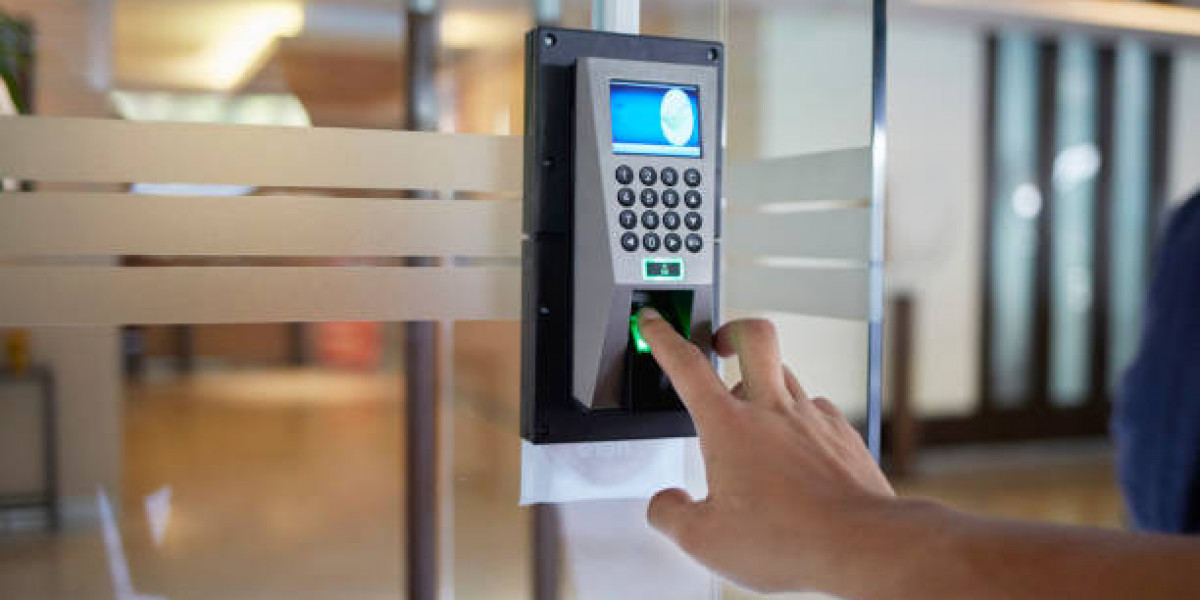

As security technology continues to evolve, face recognition door access systems are becoming a preferred choice for homes, offices, and commercial buildings. Unlike traditional keys, cards, or PIN-based systems, face recognition uses advanced biometric technology to verify identity quickly and accurately. This touchless, intelligent solution is redefining access control in 2025 and beyond.
What Is Face Recognition Door Access?
Face recognition door access is a biometric security system that identifies individuals by analyzing unique facial features. Using high-resolution cameras and AI-powered algorithms, the system captures a face image and matches it against stored data to grant or deny access. The process is fast, seamless, and highly secure, making it ideal for modern environments that demand both convenience and protection.
Why Face Recognition Is Gaining Popularity
One of the main reasons organizations and homeowners are adopting face recognition door access is its contactless operation. In a post-pandemic world, reducing physical touchpoints has become a priority. Facial authentication eliminates the need for keys, access cards, or fingerprint scanners, offering a hygienic and user-friendly experience.
Additionally, facial recognition systems are extremely difficult to duplicate or steal. Unlike access cards that can be lost or passwords that can be shared, facial data is unique to each individual, significantly reducing unauthorized entry risks.
Key Benefits of Face Recognition Door Access
Face recognition systems offer several advantages over traditional access methods:
High-level security with biometric accuracy
Fast authentication, often in under a second
Hands-free access, ideal for high-traffic areas
Access logs and audit trails for monitoring entry
Integration with CCTV, alarms, and smart building systems
These features make face recognition door access suitable for offices, residential buildings, healthcare facilities, educational institutions, and retail spaces.
Applications Across Different Environments
In corporate offices, face recognition door access helps control employee entry, restrict sensitive areas, and track attendance. In residential settings, it adds an extra layer of security while offering homeowners convenience without keys. Commercial buildings and co-working spaces benefit from scalable systems that can manage multiple users efficiently.
Many modern systems also support mobile app management, allowing administrators to add or remove users remotely, monitor activity, and receive alerts in real time.
Considerations Before Installation
While face recognition door access offers advanced security, it’s important to choose a system with strong data protection measures. Facial data should be encrypted and stored securely to comply with privacy regulations. Proper camera placement and lighting are also essential to ensure accurate recognition.
Working with a professional security provider ensures correct installation, system calibration, and long-term reliability.
Conclusion
Face recognition door access represents a major step forward in smart security technology. By combining advanced AI, biometric accuracy, and contactless convenience, it provides a secure and efficient way to manage entry in modern spaces. As technology continues to improve, face recognition is set to become a standard feature in next-generation access control systems, offering safety, speed, and peace of mind.