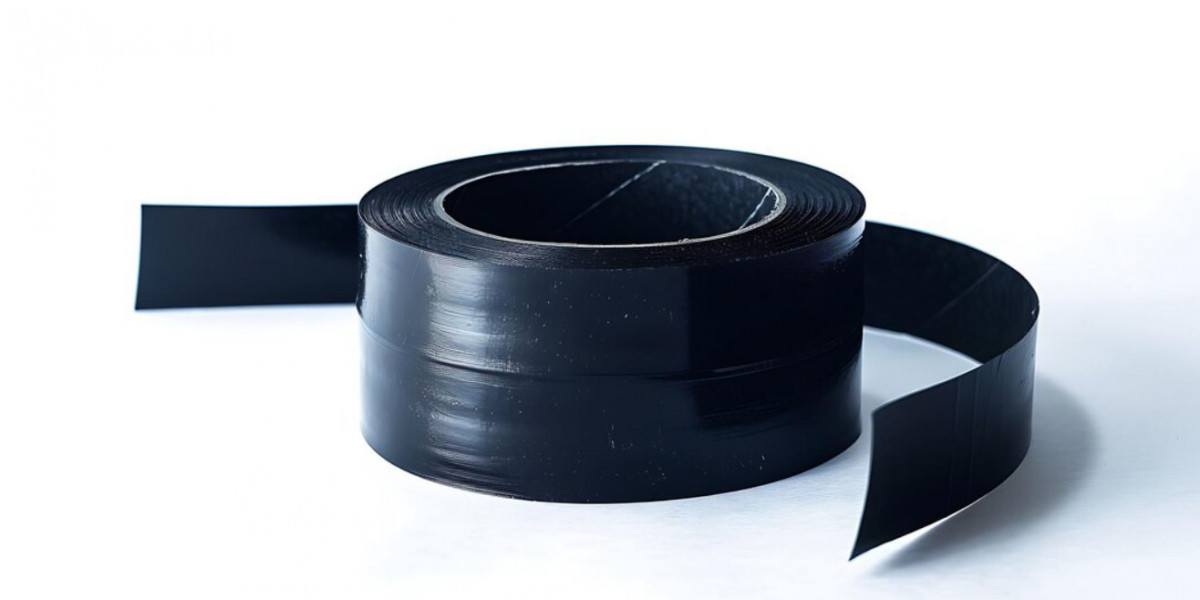

Vinyl tape is one of the most widely used adhesive tapes across electrical, industrial, and commercial applications. Known for its flexibility, durability, and strong insulation properties, vinyl tape has become an essential material in environments where safety, reliability, and performance matter. From electrical wiring to color coding and surface protection, vinyl tape offers a practical and cost-effective solution.
What Is Vinyl Tape?
Vinyl tape is made from polyvinyl chloride (PVC) combined with a pressure-sensitive adhesive. This construction allows the tape to stretch, conform to irregular surfaces, and maintain strong adhesion without cracking or peeling. Unlike basic adhesive tapes, vinyl tape is designed to resist moisture, abrasion, chemicals, and varying temperatures, making it suitable for both indoor and outdoor use.
One of the key characteristics of vinyl tape is its insulating capability. It is commonly used to cover and protect electrical wires, helping prevent short circuits and electrical hazards.
Key Features of Vinyl Tape
Vinyl tape stands out because of several important features:
Excellent electrical insulation for wiring and cable protection
High flexibility, allowing it to wrap tightly around uneven surfaces
Strong adhesion without leaving heavy residue
Moisture and chemical resistance, ideal for harsh environments
Durability against wear, tearing, and aging
These properties make vinyl tape a preferred choice in professional and industrial settings.
Common Uses of Vinyl Tape
Electrical Applications
Vinyl tape is most commonly associated with electrical work. Electricians use it to insulate wires, bundle cables, and protect connections. Its ability to withstand voltage and temperature changes makes it reliable for long-term electrical safety.
Color Coding and Identification
Available in multiple colors, vinyl tape is widely used for color coding wires, pipes, and equipment. This helps improve organization, safety, and efficiency in workplaces such as factories, data centers, and construction sites.
Surface Protection
Vinyl tape is often applied to protect surfaces during maintenance, painting, or repair work. It prevents scratches and minor damage without permanently sticking to the surface.
Industrial and Maintenance Use
In industrial environments, vinyl tape is used for temporary repairs, sealing, and marking hazardous areas. Its durability ensures it performs well even under demanding conditions.
Advantages Over Other Tapes
Compared to cloth or paper-based tapes, vinyl tape offers superior resistance to environmental factors. It does not absorb moisture, tear easily, or lose adhesion quickly. This makes it especially useful in electrical and outdoor applications where reliability is critical.
Additionally, vinyl tape provides a clean finish and maintains flexibility over time, unlike some tapes that become brittle as they age.
Choosing the Right Vinyl Tape
When selecting vinyl tape, consider factors such as voltage rating, temperature tolerance, adhesive strength, and color requirements. For electrical applications, always choose tape that meets safety and industry standards.
Conclusion
Vinyl tape is a highly versatile and dependable solution used across electrical, industrial, and maintenance applications. Its insulation properties, flexibility, and durability make it an essential tool for professionals and businesses alike. Whether for electrical safety, organization, or surface protection, vinyl tape continues to be a reliable choice for efficient and secure operations.