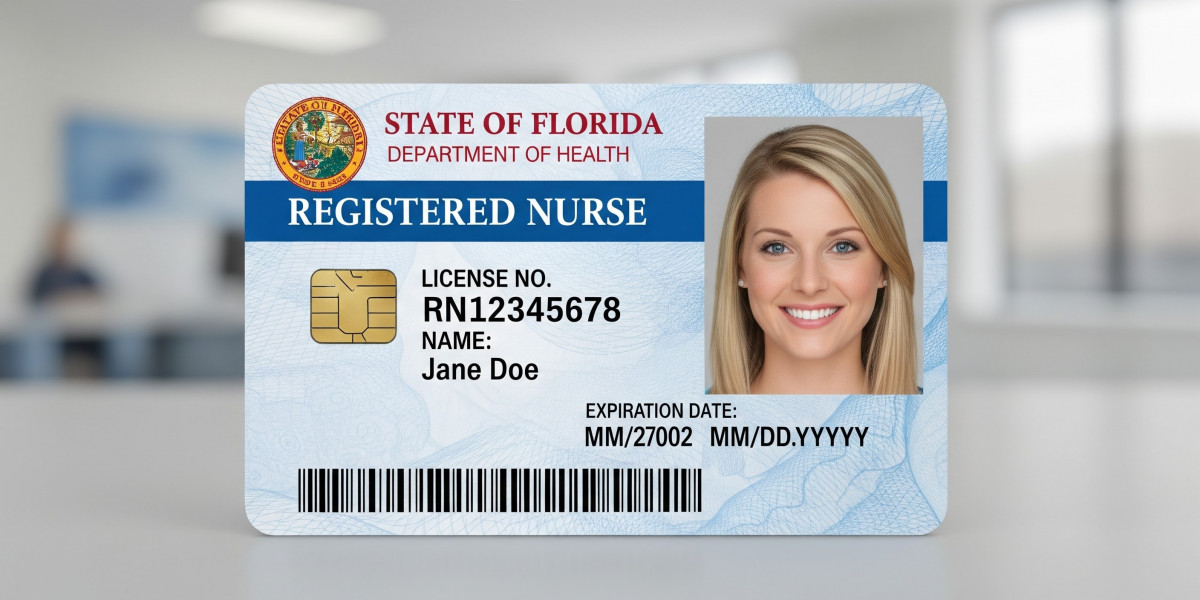

Ensuring that registered nurses are properly licensed is one of the most important responsibilities for healthcare employers in Florida. Regulatory oversight is strict, and even minor errors in license verification can lead to audits, fines, or legal liability. Hospitals, clinics, medical practices, and staffing agencies must understand the proper process to verify nurse credentials and maintain compliance.
This comprehensive guide explains Florida Registered Nurse License Verification, outlines employer obligations, highlights common compliance pitfalls, and provides best practices for long-term regulatory adherence—backed by the expertise of the Florida Healthcare Law Firm.
Why RN License Verification Is Essential
Florida law places the responsibility for credential verification squarely on employers. Every registered nurse must hold an active license issued by the Florida Board of Nursing before providing patient care. Verification is not optional—it is a legal obligation.
Failing to verify licensure can result in:
Regulatory investigations and audits
Administrative fines or penalties
Malpractice exposure
Insurance or accreditation issues
Damage to organizational reputation
Employers cannot rely on resumes, interviews, or third-party claims alone. Licensure verification must be independent, thorough, and documented.
Regulatory Framework Governing Registered Nurses
Registered nurses in Florida are regulated by the Florida Board of Nursing under state law. Key requirements include:
Active and unrestricted licensure
Renewal and continuing education compliance
Adherence to disciplinary and practice regulations
Healthcare employers must align internal hiring, credentialing, and monitoring practices with these legal standards to remain compliant.
Step-by-Step RN License Verification Process
A structured verification process ensures legal compliance and patient safety.
1. Access the Official Licensing Database
Employers should use the Florida Department of Health’s official database for real-time verification of RN licensure.
2. Confirm License Status
Verify that the license is active, current, and appropriate for the registered nursing role. Licenses that are expired, inactive, or restricted may prevent the nurse from performing clinical duties.
3. Review Disciplinary History
Check for any public disciplinary actions or restrictions. Employers should document findings and assess the impact on job responsibilities.
4. Validate Renewal and Continuing Education
Ensure that the nurse has completed all required continuing education and met renewal deadlines.
5. Maintain Proper Documentation
Document every step of the verification process in personnel files. This record is crucial for audits, inspections, or legal reviews.
Ongoing Monitoring for Compliance
License verification is not a one-time task. Healthcare organizations must monitor RN licensure throughout employment. Best practices include:
Scheduled re-verification intervals
Automated reminders for renewal dates
Centralized credential management
Internal compliance audits
Consistent monitoring demonstrates proactive compliance and reduces regulatory risk.
Common Employer Mistakes to Avoid
Healthcare employers often face compliance issues due to:
Verifying licenses only during hiring
Poor or missing documentation
Ignoring disciplinary history
Over-relying on staffing agencies
Lacking formal internal policies
Avoiding these mistakes requires standardized processes and proper legal guidance.
Legal Risks of Non-Compliance
Failure to properly verify RN licenses can result in:
Administrative penalties from state authorities
Civil liability claims
Contractual and insurance complications
Operational disruptions
Regulators expect employers to maintain active, ongoing verification systems rather than reactively correcting mistakes.
Role of Legal Counsel
Healthcare law is complex and continuously evolving. Legal counsel can help organizations:
Develop compliant credentialing policies
Conduct internal audits
Respond to regulatory inquiries
Defend against enforcement actions
The Florida Healthcare Law Firm provides expert guidance to healthcare organizations, ensuring defensible compliance frameworks aligned with Florida regulations.
Best Practices for Healthcare Employers
Implement standardized verification protocols
Train HR and compliance teams regularly
Conduct periodic internal audits
Maintain organized, accessible credential records
Seek legal review of verification policies
These practices enhance operational stability and demonstrate regulatory responsibility.
Conclusion
Proper nurse credentialing is a legal and ethical obligation. Florida Registered Nurse License Verification safeguards patients, healthcare providers, and organizations against regulatory and legal risk. By following structured verification processes, maintaining ongoing monitoring, and working with experienced counsel like the Florida Healthcare Law Firm, healthcare employers can achieve full compliance and protect their operations confidently.