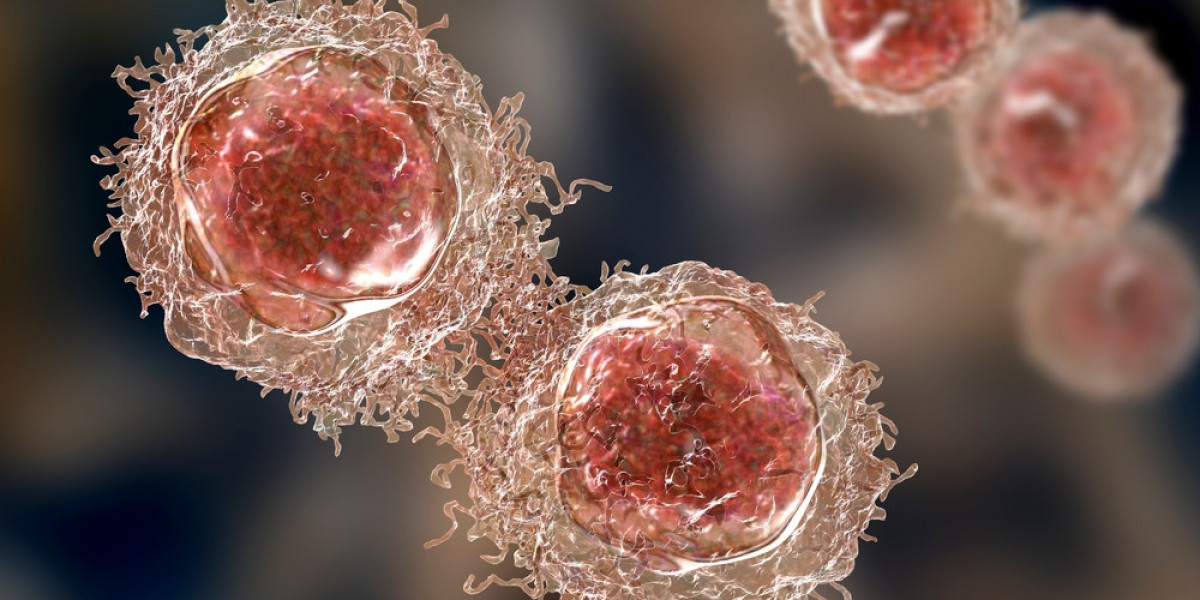

Cutaneous T-cell lymphoma is a rare type of cancer that starts in the T-cells of your skin. When these cells grow uncontrollably, they can cause patches, plaques, or tumors. Understanding treatment options for cutaneous t-cell lymphoma is essential if you or a loved one is diagnosed. Early recognition and careful management can make a meaningful difference in outcomes.
Unlike other skin conditions, cutaneous T-cell lymphoma often develops slowly. At first, symptoms may appear as dry, itchy skin. You might notice red or scaly patches that do not respond to usual treatments. While it can be mistaken for eczema or psoriasis, persistent lesions warrant medical attention.
Recognizing the Symptoms
Symptoms of cutaneous T-cell lymphoma vary depending on the stage. Common signs include:
- Red, scaly patches or plaques
- Thickened or raised skin areas
- Itching or burning sensations
- Hair loss in affected areas
In some cases, the skin may develop tumors that can ulcerate or bleed. Patients might experience fatigue or mild swelling of nearby lymph nodes. While symptoms often start on the trunk or limbs, they can appear anywhere on the body.
Early detection is crucial because treatment becomes more effective before the disease advances. If you notice persistent skin changes, consulting a dermatologist or oncologist can lead to timely diagnosis.
Causes and Risk Factors
Cutaneous T-cell lymphoma arises from a mutation in the T-cells, which are critical for immune function. These cells begin to multiply abnormally, gradually affecting the skin. The exact cause is not fully understood, but several factors may increase risk:
- Age: It is more common in people over 50
- Gender: Men are affected slightly more than women
- Immune system disorders: A weakened immune system may contribute
Genetics and environmental exposures are also being studied. While research continues, no single cause explains every case. It is important to remember that lifestyle choices alone cannot prevent this type of lymphoma.
Diagnosis: How It’s Determined
Diagnosing cutaneous T-cell lymphoma requires careful evaluation. A skin biopsy is the main tool. Doctors remove a small sample to examine under a microscope for abnormal T-cells. Additional tests may include:
- Blood tests to check for circulating malignant cells
- Imaging scans like CT or PET to assess lymph node involvement
- Skin mapping to document affected areas
Diagnosis can take time because early-stage symptoms resemble common skin conditions. Your doctor may monitor changes over several months before confirming the disease. Patience and thorough testing help ensure accurate results.
Treatment Approaches
Treatment varies based on the stage and severity. Doctors aim to control symptoms, slow disease progression, and maintain quality of life. Options include:
Topical Treatments
- Corticosteroids: Reduce inflammation and itching
- Chemotherapy creams: Target abnormal T-cells locally
- Phototherapy: Ultraviolet light slows cancer cell growth
These treatments are often used for early-stage disease or limited skin involvement. They are less invasive and help patients manage symptoms at home.
Systemic Treatments
When the disease is widespread or more aggressive, systemic therapy may be necessary:
- Oral retinoids: Normalize T-cell growth
- Targeted therapy: Drugs attack specific molecules in cancer cells
- Chemotherapy: Used for advanced cases or tumors
Systemic treatments may have more side effects, so doctors carefully weigh risks and benefits. Regular monitoring helps adjust therapy for optimal results.
Supportive Care
Managing cutaneous T-cell lymphoma isn’t just about fighting cancer. Supportive care can improve comfort and daily functioning:
- Moisturizers for dry or irritated skin
- Antihistamines for itching
- Pain management for tumors or ulcerated areas
A holistic approach that combines medical treatment and supportive care ensures better outcomes and patient satisfaction.
Living with Cutaneous T-Cell Lymphoma
A diagnosis can feel overwhelming, but lifestyle adjustments can help. Patients often benefit from:
- Maintaining skin hydration
- Avoiding harsh soaps or irritants
- Following treatment plans closely
- Attending regular check-ups
Emotional support is equally important. Support groups or counseling can reduce stress and help patients navigate challenges. Open communication with your healthcare team ensures timely management of symptoms.
Future Perspectives
Ongoing research is improving understanding and treatment of cutaneous T-cell lymphoma. Clinical trials are exploring new targeted therapies, combination treatments, and immune-based approaches. As science advances, patients may gain access to more personalized and effective therapies.
Participation in clinical studies can provide hope and access to emerging treatments. Doctors may discuss trial eligibility for individuals seeking alternatives beyond standard care.
Conclusion
Cutaneous T-cell lymphoma is a complex condition that requires careful attention. Recognizing symptoms, understanding causes, and exploring treatment options can guide patients toward better outcomes. At NHO Revive, we are committed to supporting patients through research, treatment guidance, and clinical trial opportunities. If you want to learn more about how our work is helping patients and families, you can explore mantle cell lymphoma trials in Nebraska and see how cutting-edge research is making a difference.