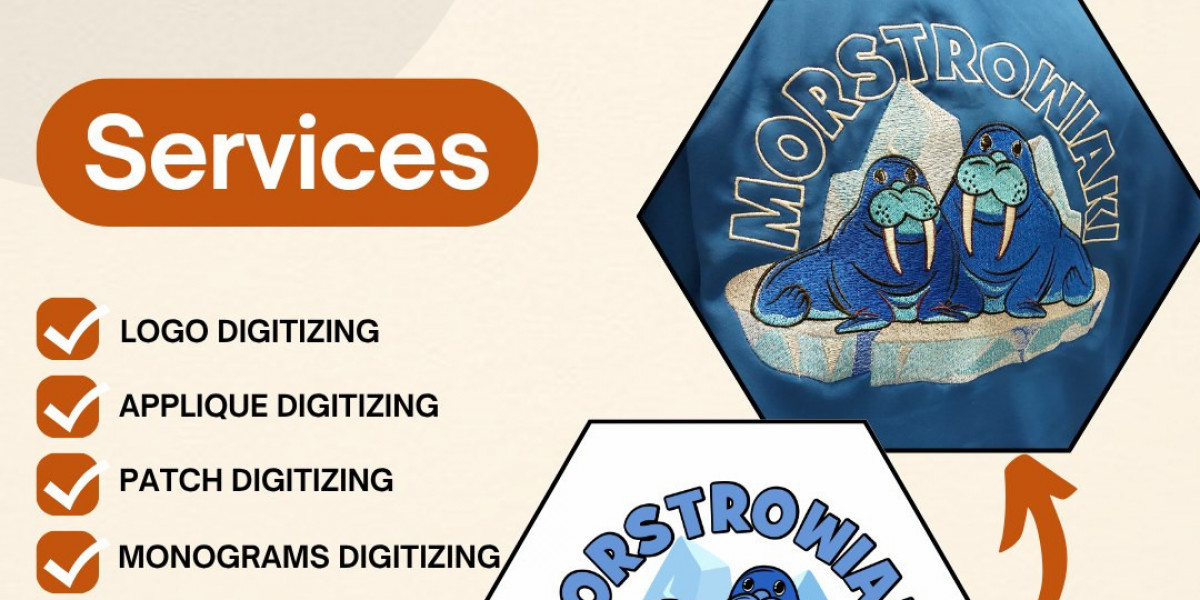

Embroidery has evolved from a traditional craft into a sophisticated method for adding unique designs to fabric. For hobbyists, professional designers, and business owners, understanding digitizing for embroidery is essential. Digitizing converts artwork into a digital file that embroidery machines can interpret, enabling accurate stitching and consistent results.
The process combines creativity with technology. Instead of stitching designs manually, digitized embroidery allows machines to reproduce patterns with precision, saving time, reducing errors, and improving production efficiency.
Why Digitizing Matters
Digitizing is more than converting a design into a machine-readable file. It requires understanding fabric types, thread materials, stitch patterns, and design complexity to ensure the final embroidery meets quality standards. Key advantages include:
- Precision: Digitized designs place every stitch exactly where it is needed, resulting in clean and professional embroidery.
- Efficiency: Automated stitching reduces production time and effort.
- Consistency: Designs can be repeated with uniform quality, which is important for bulk production such as uniforms or promotional items.
- Adaptability: Digital files can be adjusted to fit different fabric types or sizes without losing detail.
- Creative Freedom: Digitization allows the implementation of complex patterns and textures that may be difficult to achieve manually.
Steps in the Digitization Process
Successful embroidery digitization involves careful planning and technical expertise. The main steps include:
- Design Selection: Choose or create a design that suits embroidery. Simpler designs are ideal for beginners, while complex patterns may require advanced software.
- Image Conversion: Use embroidery software to convert the artwork into a machine-readable format. The software calculates stitch types, directions, and densities.
- Stitch Planning: Select appropriate stitches—such as satin, fill, or running stitches—depending on the design and fabric type.
- Thread and Fabric Consideration: Match thread colors and types to the fabric to prevent puckering or uneven stitching.
- Test Stitch: Produce a sample embroidery to identify issues like tension problems or design misalignment.
- Final Adjustments: Refine the digital file based on the test stitch results to ensure consistent quality in full production.
Advantages of Professional Digitizing
While DIY embroidery can be rewarding, professional digitizing services can provide significant benefits, especially for complex designs or commercial purposes:
- Accuracy: Professional digitizers ensure even intricate designs are executed flawlessly.
- Time Efficiency: Professionals can handle complex designs faster, allowing designers to focus on other tasks.
- Material Savings: Reduces thread and fabric waste by preventing errors during production.
- Customized Designs: Services can create digital files tailored to specific requirements.
Common Mistakes to Avoid
Even with digitization, some errors can affect the quality of embroidery. Avoid these pitfalls:
- Neglecting Fabric Type: Different fabrics need specific stitch densities and stabilizers.
- Overcomplicating Designs: Highly detailed designs may not translate well, resulting in messy stitching.
- Skipping Test Runs: Testing ensures that adjustments can be made before full production.
- Wrong Thread Choice: Incorrect thread type or color can affect appearance and durability.
Future of Digitizing
Embroidery digitization is advancing with software innovations and high-speed embroidery machines. Modern software can optimize designs automatically, and machines can execute multi-layered patterns efficiently. These tools make it easier for designers and businesses to produce precise and complex embroidery, meeting the demands of both fashion and commercial applications.
Tips for Beginners
For those new to embroidery digitization, the following tips can improve results:
- Start with simple designs before moving to complex patterns.
- Learn different stitch types and how they interact with various fabrics.
- Keep software updated to access the latest features.
- Always perform a test stitch to verify design accuracy.
- Study professional digitized files to understand effective techniques.
Digitize for embroidery connects creativity with precision. By understanding the process and using modern tools, anyone can produce consistent, high-quality embroidered designs. This approach allows for professional results in personal projects or business operations, ensuring that every stitch aligns with the intended design.
Embroidery is no longer limited to manual techniques. With digitization, designs can be reproduced accurately and efficiently, allowing creators to focus on innovation and quality. By digitizing for embroidery, your designs can transform into precise, durable, and detailed works of art.