
Stepping into your first year of B.Sc Optometry is exciting, challenging, and full of opportunities. As one of the fastest-growing fields in healthcare, optometry offers a perfect blend of medical science and hands-on clinical practice. The transition from school to a professional degree program can feel overwhelming, but with the right preparation, you can set yourself up for success from day one. Whether you are joining a B.Sc Optometry College in Dehradun or elsewhere in India, this guide will help you begin your journey with confidence.
1. Understand the Basics of the Optometry Curriculum
Before you begin your first year, take time to understand what the course actually includes. B.Sc Optometry typically covers subjects such as:
- Ocular Anatomy & Physiology
- General Anatomy
- Optics
- Visual Sciences
- Clinical Optometry
- Microbiology
- Physiology
Knowing these subjects in advance helps you mentally prepare for the academic structure. It also helps you create a study plan that aligns with both theory and practical work, which is essential for a smooth start.
2. Build a Strong Foundation in Science
Optometry is deeply rooted in biology, physics, and mathematics. Refreshing your basics in the following areas is very helpful:
- Human anatomy and physiology
- Basic physics (especially optics)
- Mathematics related to measurements and calculations
Strengthening these fundamentals ensures that you don't struggle when the subjects get more technical during the semesters.
3. Get Familiar with Optometry Equipment
Your first year will expose you to a variety of instruments used in eye care. Some of these include:
- Retinoscope
- Ophthalmoscope
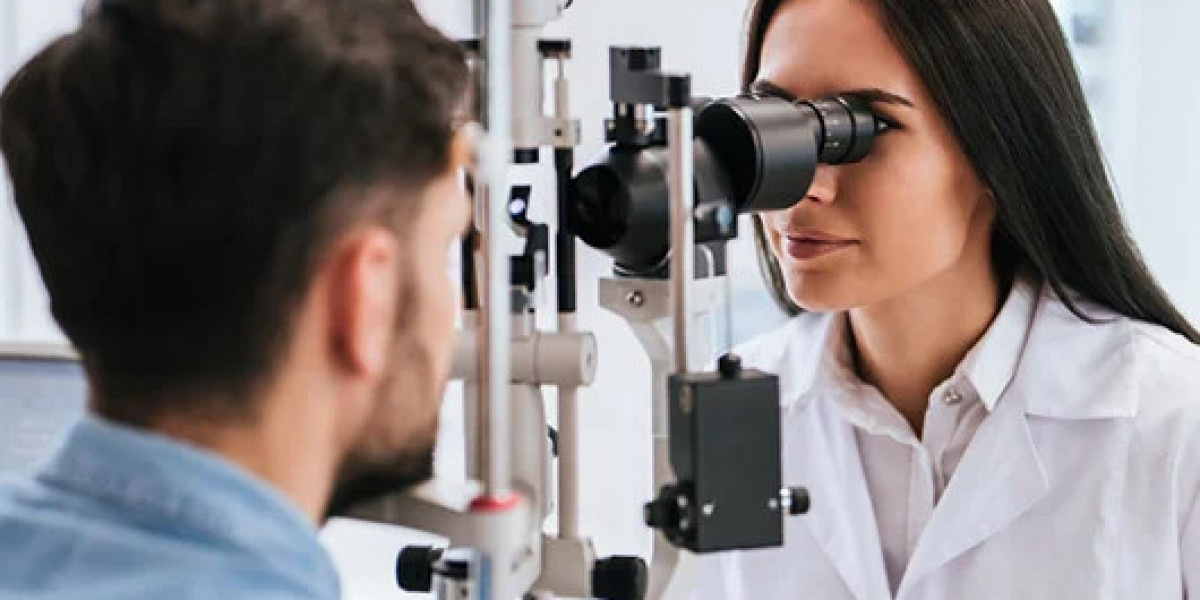
- Slit lamp
- Auto-refractometer
- Vision charts
Watching online demos or reading introductory guides will give you a head start in understanding how these machines function and why they are essential in patient care.
4. Develop Strong Observation Skills
Optometry professionals need to be detail-oriented. As you prepare for your first year:
- Practice noticing small details around you
- Improve your concentration ability
- Train your analytical thinking
These skills help you become accurate while conducting eye examinations and analyzing results later in your career.
5. Prepare for Practical Learning
Unlike many other degree programs, B.Sc Optometry involves substantial hands-on training. In your first year, you might spend time in:
- Labs
- Practice clinics
- Workshops
- Instrument handling sessions
Be prepared to learn by doing. Practical sessions will shape your confidence and help you understand real-world vision problems better.
6. Work on Communication and Soft Skills
Optometry is a patient-facing profession. So improving your communication skills early will give you a strong advantage. You should:
- Practice speaking clearly and confidently
- Learn to explain medical terms in simple language
- Become a good listener
These skills will help you interact effectively with patients, instructors, and peers during your academic journey.
7. Adopt Good Study Habits and Time Management
Managing theory, labs, assignments, and self-study can be overwhelming in the beginning. To stay organized:
- Create a study timetable
- Allocate dedicated hours for revision
- Keep your notes well-organized
- Use digital tools for planning topics and deadlines
Consistency matters more than the number of hours you study.
8. Focus on Health and Eye Care
As an optometry student, maintaining good eye health is important. Take care of yourself by:
- Limiting screen time
- Using proper lighting while studying
- Staying hydrated
- Taking breaks to avoid visual fatigue
Practicing what you will soon be teaching others helps build discipline and awareness.
9. Stay Curious and Keep Learning
Optometry is evolving rapidly with advancements in:
- Diagnostic technology
- Contact lens innovations
- Patient care methods
- Optical instruments
Subscribe to reputable optometry blogs, journals, or educational channels to stay updated with ongoing trends and advancements.
10. Choose a College That Encourages Practical Excellence
The quality of your education depends greatly on the institution you choose. A good optometry college provides:
- Modern labs
- Advanced instruments
- Experienced faculty
- Clinical exposure
- Internship opportunities
If you want a strong start in this field, choosing the right college is essential.
Conclusion
Your first year of B.Sc Optometry sets the foundation for your entire professional journey. With the right preparation—academically, mentally, and practically—you can excel and make the most of your learning experience. Whether you're beginning your studies at a B.Sc Optometry College in Dehradun or anywhere across India, proper planning will ensure a confident start.
Institutes like KIIMS (Kingston Imperial Institute of Medical Sciences Dehradun) provide excellent infrastructure and hands-on training to help students build a strong base in eye care. The right college combined with your dedication can shape a successful and fulfilling optometry career.