
Birds are an important part of the environment, but they can cause real problems when they nest or gather around homes and businesses. They leave droppings on roofs, solar panels, vehicles, and walkways, which looks unpleasant and can be slippery or unsanitary. In some cases, nests can block gutters, vents, and equipment, leading to water damage or fire hazards if the material dries out near heat sources.
Searching for bird repellent or bird deterrent solutions usually starts when people see repeated mess, noise, or damage. Common pest species like pigeons, sparrows, and starlings are highly adaptable and often return to the same safe spots once they feel comfortable. Without a plan, light cleaning or shooing them away rarely works for long. This is why a structured approach with safe, long term measures is important.
Bird Repellent vs Bird Deterrent
The terms bird repellent and bird deterrent are related but not exactly the same. Bird repellent usually refers to products that make a surface less attractive to birds, such as gels, liquids, or taste based coatings that encourage birds to move away without causing harm. These products often focus on changing how a surface feels, smells, or tastes.
Bird deterrent is a broader term that covers physical barriers and visual or sound based devices that discourage birds from landing or nesting in target areas. Examples include spikes, nets, wires, reflective objects, and sound units designed to create an uncomfortable or unfamiliar environment. Many long term solutions combine both approaches, using repellents and deterrents together for stronger results.
Common Problems Caused by Birds
Bird activity around buildings and equipment can create more issues than most people expect at first. Some of the most common problems include:
Corrosive droppings on roofs, solar panels, signs, and railings that stain surfaces and may reduce efficiency or shorten material life.
Nests in gutters, vents, or under roof edges that block drainage, attract insects, and raise the risk of water damage or restricted airflow.
Noise and early morning activity can also disturb sleep or create stress for people who live or work nearby. In food related businesses, visible bird mess near entrances or outdoor seating can hurt customer confidence. These practical concerns are why many property owners look for humane bird repellent and bird deterrent options rather than ignoring the issue.
Types of Bird Deterrent Devices
There are several main categories of bird deterrent devices, each suited to specific areas and bird behavior. Physical barriers are often considered the most reliable. Bird spikes, for example, do not harm birds, but they make ledges, signs, and certain roof edges uncomfortable for perching. Netting is another common solution, especially for larger spaces like loading docks, balconies, and building recesses where birds like to roost.
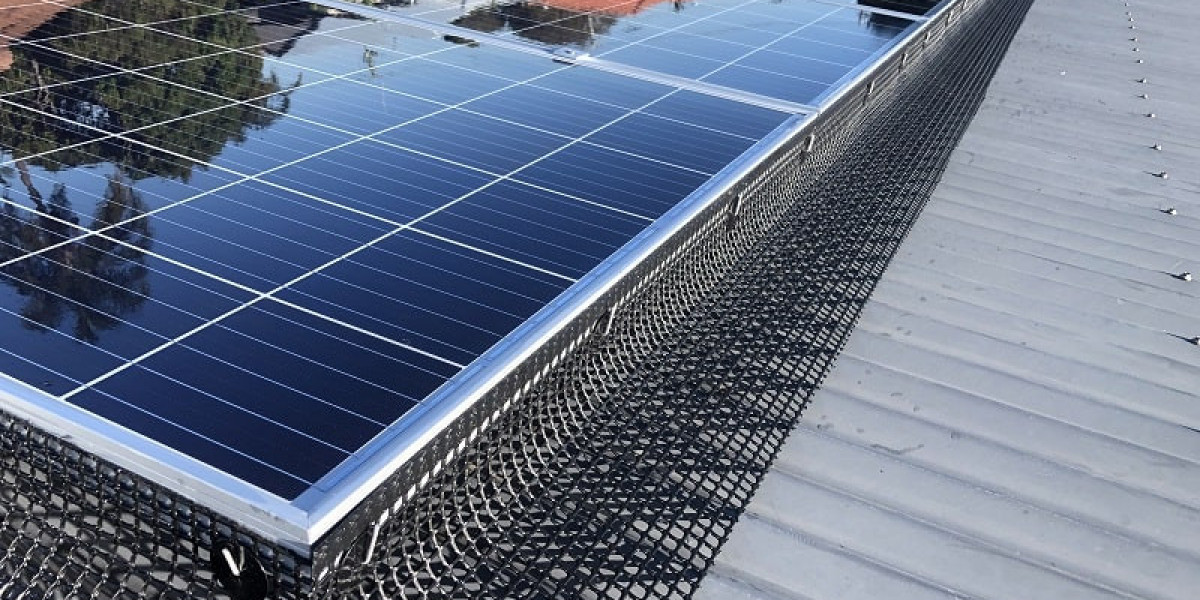
Wire or tensioned cable systems can stop birds from landing on narrow surfaces such as beams, gutters, and parapets. These systems create unstable footing that birds prefer to avoid. In addition, visual deterrents use reflective tape, spinning objects, or predator eye designs to create movement and flashing light that birds find unsettling. Sound devices are sometimes used in open areas, although they tend to work best when combined with other methods and when neighbors will not be disturbed.
Types of Bird Repellent Products
Bird repellent products typically aim to change how the target area feels or smells to birds. Gel or paste repellents are applied in beads or thin strips on ledges and other flat surfaces. The texture is unpleasant for birds, so they usually seek a more comfortable perch. Some formulas also include ingredients that birds dislike, yet remain safe when used as directed.
There are also liquid and spray based products that can be used on some surfaces, vegetation, or structures, depending on the label instructions. Taste based repellents can be applied to certain crops or surfaces to discourage pecking and feeding. When using any repellent, it is very important to read the product label carefully, follow all safety guidance, and avoid overuse. Responsible application helps protect both wildlife and the surrounding environment.
Where Bird Deterrents are Most Useful
Bird deterrent measures are especially useful in areas where birds repeatedly land, nest, or roost. Common trouble spots include roof edges, window ledges, sign tops, beams inside warehouses, and covered walkways. When these surfaces provide shelter from wind and predators, birds are more likely to stay, so blocking or discouraging access makes a big difference.
Solar panel arrays, open carports, and rooftop equipment platforms can also attract birds looking for shade and safe nesting locations. Without controls, droppings and nesting material can build up under and around equipment. In these cases, combinations of netting, wire systems, or other carefully installed deterrents often provide better results than repellents alone. Each site benefits from a tailored plan that considers local bird species and structure design.
Safety and Humane Considerations
Modern bird repellent and bird deterrent strategies focus on humane control rather than harm. Most professional solutions are built around making an area unattractive or uncomfortable so birds choose a different place on their own. Lethal or harmful methods are usually discouraged or restricted, and can also create public concern or legal issues depending on local wildlife laws.
Humane control includes choosing non toxic products, avoiding methods that trap or injure birds, and installing systems that do not interfere with normal flight paths more than necessary. Regular inspections help ensure that nets, wires, and spikes remain secure and do not create entanglement risks. When in doubt, consulting a specialist or reviewing local regulations helps keep control efforts both effective and responsible.
How to Choose the Right Solution
Selecting the right combination of bird repellent and bird deterrent options starts with a careful look at the site. Important questions include which species are present, where they land or nest, how long the problem has been going on, and whether there are food or water sources nearby. Different species may prefer different heights or surfaces, so a solution that works for pigeons might not work as well for smaller birds like sparrows.
Cost, appearance, and maintenance requirements also matter. Some property owners prefer low visibility options such as clear spikes, discreet wire systems, or netting that matches the building. Others accept more visible devices, such as reflective strips or visual scare products, especially in industrial areas. A thoughtful plan often uses a mix of barriers and repellents, supported by good site hygiene, such as cleaning up spilled food, trimming certain vegetation, and maintaining gutters.
Role of Cleaning and Maintenance
Even the best bird deterrent system works better when combined with regular cleaning and maintenance. Removing old nests, droppings, and debris not only improves appearance, it also reduces scents and visual cues that attract birds back to the same spots. When surfaces are kept clean, it is easier to see new activity early, and to check that devices and repellents are still in place.
On roofs and around equipment like solar panels, safe cleaning practices are important to protect both people and structures. This often means using proper safety gear, gentle cleaning methods, and avoiding harsh chemicals. For many property owners, working with professionals who understand both bird control and surface care is the safest approach. This combination of cleaning, inspection, and targeted deterrent measures tends to provide the most reliable long term results.
Conclusion
Finding the right bird repellent and bird deterrent strategy helps protect buildings, equipment, and outdoor spaces from damage, mess, and health concerns, while still respecting wildlife. By focusing on humane, well planned solutions and combining physical barriers with carefully chosen repellents, property owners can reduce problems and keep key areas cleaner and safer over time. When bird activity affects sensitive assets such as rooftop solar systems, specialized help from experienced providers like Golden Rays Solar Cleaning can make ongoing control and maintenance much easier.