
When it comes to decorating interiors with timeless elegance, vintage tapestries hold a unique charm. These intricate artworks are not only decorative but also tell stories through their textures, patterns, and craftsmanship. At the heart of their quality lies an essential factor: thread density. Understanding this element is crucial for collectors, interior designers, and enthusiasts who wish to distinguish exceptional tapestries from ordinary pieces. Properly appreciating thread density allows one to recognize both the artistic skill and the meticulous labor invested in each tapestry.
Understanding Thread Density
Thread density refers to the number of threads woven per inch of fabric. Higher thread density often translates to finer details, richer textures, and greater durability. In vintage tapestries, a dense weave ensures that even the most intricate motifs are clearly defined, while a lower density can result in a more coarse and less refined appearance.
How Thread Density Affects Visual Appeal
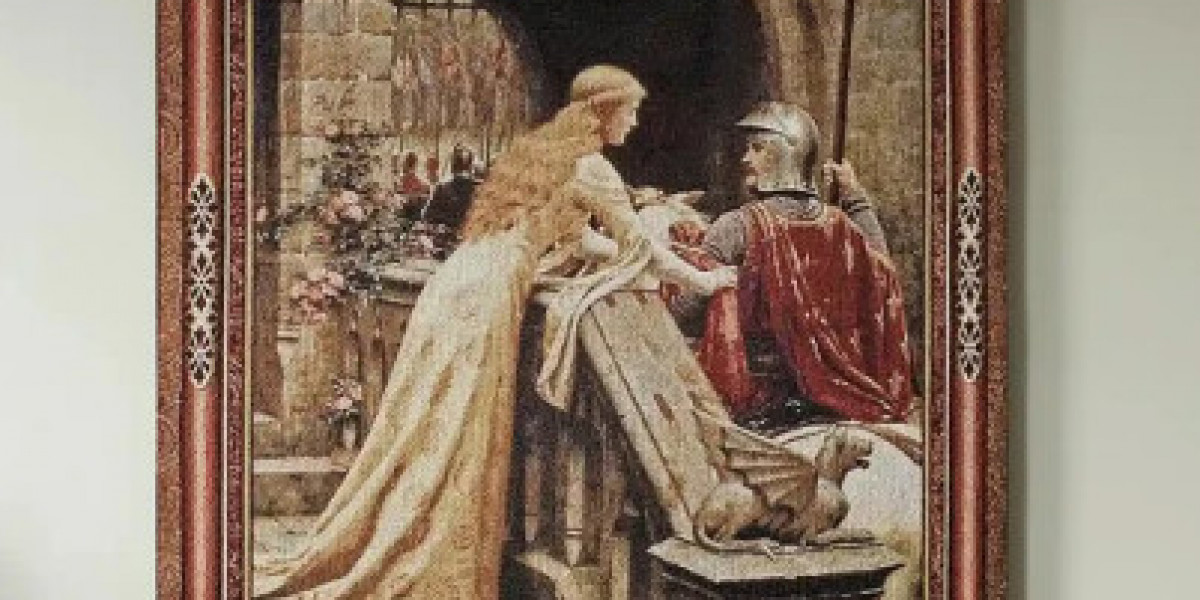
The density of threads directly influences the clarity and precision of a tapestry’s design. A tapestry with high thread density allows for detailed depictions of figures, landscapes, and ornamental patterns. Conversely, a tapestry with lower density may appear pixelated or blurred when viewed closely. Collectors often seek pieces with higher thread density because they retain their visual impact over centuries. The difference in detail can be striking; the finest pieces reveal textures in fabrics, subtle facial expressions, and delicate botanical elements that lower-density weaves cannot achieve.
Durability and Longevity
Beyond aesthetics, thread density also affects the longevity of hanging woven wall decor. Tapestries with tightly woven threads resist wear and tear, maintaining their structure even with frequent handling or exposure to sunlight. Lower-density weaves may fray or lose their shape over time, diminishing both their beauty and value. Investing in high-density pieces ensures that these artworks can be passed down for generations while retaining their original charm.
Identifying High-Quality Tapestries
When assessing vintage tapestries, it is essential to examine both the front and back of the piece. High-quality tapestries will have consistent weaving patterns, even thread tension, and minimal gaps. Additionally, the materials used, such as wool, silk, or cotton, interact with thread density to influence the tapestry’s texture, color saturation, and overall feel. Authentic tapestries often show a slight variance in thread thickness that adds depth and richness to the final piece, reflecting the handcraftsmanship involved.
Thread Density and Artistic Value
High thread density not only enhances structural integrity but also allows for more intricate storytelling through the tapestry’s imagery. The ability to depict subtle shading, complex patterns, and refined lines can significantly increase the artistic value of a piece. Such tapestries often command higher prices among collectors due to their exceptional craftsmanship. Furthermore, knowing how to evaluate thread density helps buyers make informed decisions and avoid overpaying for lesser-quality reproductions.
Modern Uses of Woven Tapestries
While vintage tapestries are highly prized for their history and artistry, contemporary interpretations also benefit from careful attention to thread density. Items like woven wall hanging decor offer a modern aesthetic while retaining the traditional techniques that make these pieces durable and visually appealing. Thread density ensures that these decorative elements remain both functional and elegant in modern interiors, bridging the gap between historical artistry and contemporary design trends.
Conclusion
Thread density plays a pivotal role in determining the overall quality and longevity of vintage tapestries. From enhancing visual details to ensuring structural strength, a well-woven tapestry exemplifies artistry and craftsmanship. Whether displayed as antique wall coverings or adapted into cozy woven throw blankets, understanding thread density allows enthusiasts to appreciate and preserve the beauty of woven art for generations to come. Paying attention to the density of threads ensures that both collectors and casual admirers can identify and enjoy pieces that are truly exceptional in both form and function.