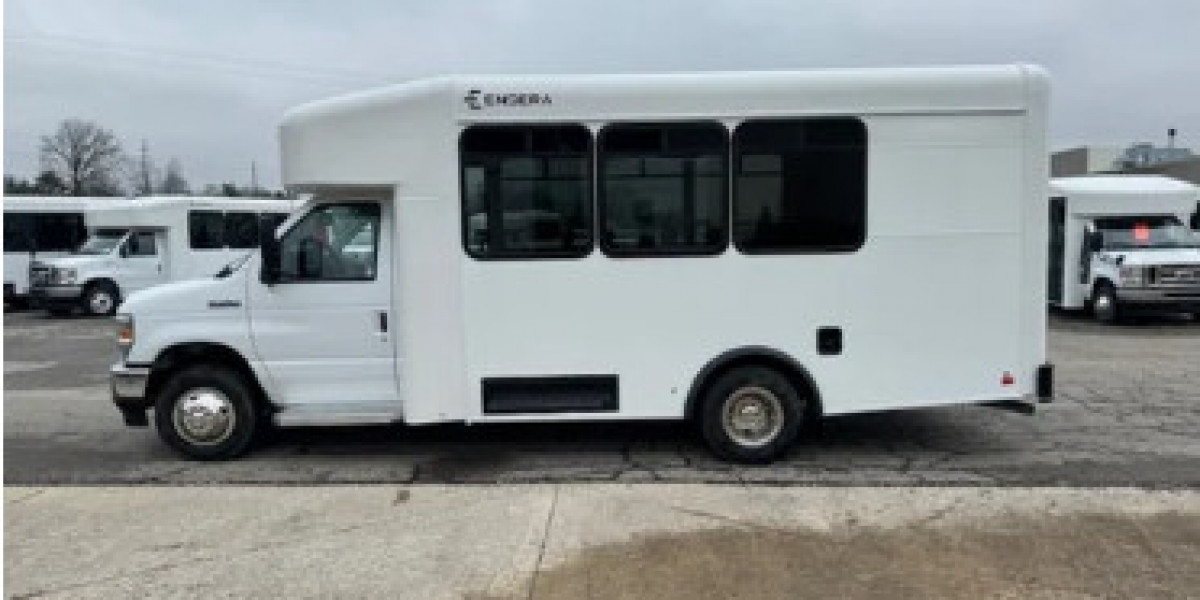

The transportation industry is undergoing a remarkable transformation as environmental concerns, rising fuel costs, and stricter emissions regulations reshape operational strategies. Today, passengers and companies alike are seeking cleaner, more sustainable travel options. In this context, adopting electric vehicles has become a key priority for businesses that rely on group transportation. For a shuttle bus company, transitioning to fully electric fleets is no longer just an innovative choice—it is a strategic necessity to meet evolving industry standards and customer expectations.
The Rise of Electric Shuttle Buses
Environmental Responsibility
One of the primary drivers behind this shift is environmental sustainability. Traditional diesel and gasoline-powered buses emit significant greenhouse gases, contributing to air pollution and climate change. By switching to electric fleets, shuttle bus companies drastically reduce carbon emissions and promote cleaner urban environments. This eco-friendly approach not only benefits the planet but also enhances the company’s public image as a responsible and forward-thinking provider.
Fuel Cost Savings
Electric buses offer substantial savings on fuel costs compared to conventional vehicles. While the initial investment may be higher, lower operational expenses —including electricity costs and reduced engine maintenance —provide a strong financial incentive. For shuttle operators, these savings translate into increased profitability and the ability to allocate resources to improve service quality or expand fleet size.
Technological Advancements Driving Adoption
Improved Battery Efficiency
Recent advancements in battery technology have significantly increased driving ranges and reduced charging times. Modern electric shuttle buses can now complete multiple daily routes without requiring frequent recharging, making them a viable option for companies with high passenger demand. The combination of extended range and fast-charging infrastructure addresses past concerns about operational efficiency.
Enhanced Vehicle Performance
Electric buses provide smoother acceleration, quieter operation, and reduced vibration compared to traditional vehicles. Passengers enjoy a more comfortable and pleasant ride, while drivers experience less fatigue. These improvements in service quality can lead to higher customer satisfaction and repeat business.
Economic and Regulatory Factors
Incentives and Subsidies
Many governments offer incentives, grants, or tax credits to companies that invest in electric transportation. These programs can significantly offset the upfront cost of new buses, encouraging fleet electrification. Businesses that take advantage of these incentives not only reduce their environmental footprint but also improve financial viability.
Compliance with Emissions Regulations
Stringent environmental regulations are being implemented worldwide, mandating lower emissions from public and commercial transport. Electric buses enable companies to proactively comply with these regulations, avoiding fines or operational restrictions. For shuttle bus companies, early adoption ensures regulatory compliance and positions them as leaders in sustainable transit solutions.
Strategic Advantages of Electric Fleets
Market Differentiation
Investing in a fully electric fleet provides a competitive edge. Companies that embrace green technology appeal to environmentally conscious customers, including schools, corporate clients, airports, and tour operators. Highlighting sustainability as part of a company’s brand can attract new clients and foster loyalty among existing customers.
Long-Term Financial Planning
Although electric buses require a higher initial investment, the long-term savings on fuel, maintenance, and regulatory compliance can outweigh upfront costs. Companies planning for growth and future expansion can integrate these savings into strategic budgeting and fleet management to ensure sustainable operations over time.
Expanding Fleet Options
For companies looking to grow, the ability to buy a shuttle bus equipped with electric drivetrains is becoming more accessible. Manufacturers are now offering a diverse range of models to meet various operational needs, from small airport shuttles to larger passenger coaches. This flexibility allows companies to tailor their fleet according to passenger volume and route requirements.
Conclusion
The shift toward fully electric fleets is no longer a niche trend—it is a strategic evolution for leading shuttle bus firms. Reduced emissions, lower operating costs, improved passenger experience, and regulatory compliance all contribute to making electric buses the preferred choice for modern transportation providers. Companies that embrace this technology position themselves as innovators, environmentally responsible operators, and leaders in customer satisfaction.