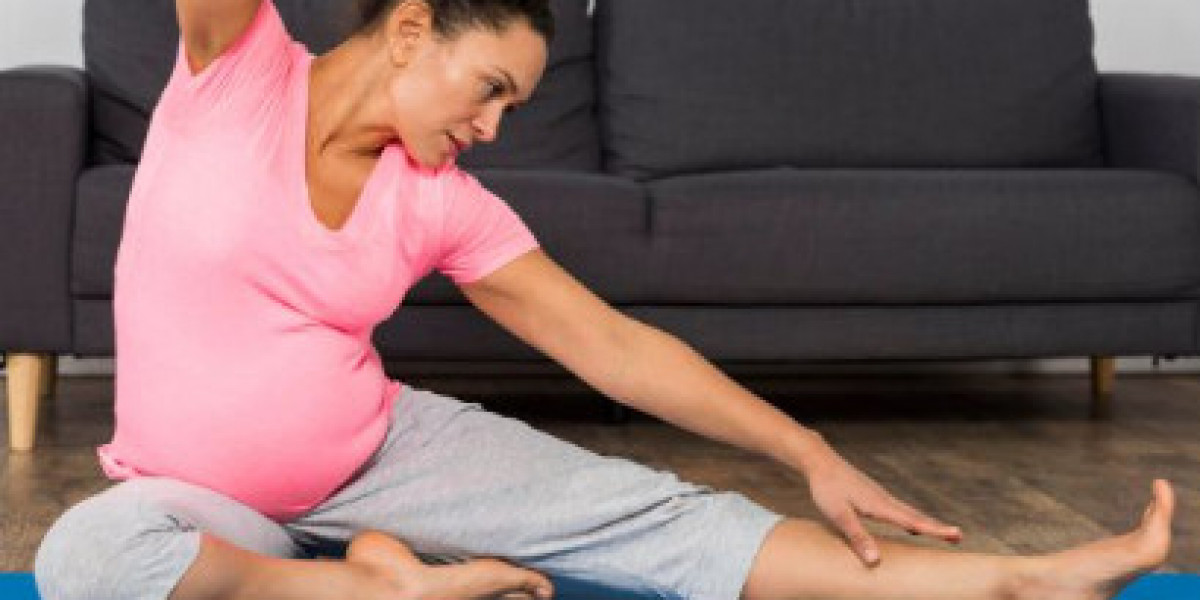

After childbirth, a woman’s body goes through major physical, hormonal, and emotional changes. Healing takes time, and every new mother recovers differently depending on delivery type, muscle strength, lifestyle, and medical history. This is why many professionals emphasise the importance of beginning a tailored postpartum exercise program that supports strength, mobility, and long-term well-being while respecting the body's recovery process.
Why A General Workout Plan Isn’t Enough
Unlike standard fitness routines, postpartum exercise requires careful attention to core stability, pelvic floor recovery, posture, and gradual strength rebuilding. What works for one mother may not be safe or effective for another. A personalised approach ensures movements are safe, gentle, and aligned with the mother’s unique health needs.
Restoring Confidence And Functional Strength
Physical recovery after childbirth isn’t just about regaining fitness—it’s about restoring stability, energy, and comfort in daily activities. A structured postpartum exercise program helps mothers feel stronger, more balanced, and more confident as their bodies adjust to new responsibilities and new demands.
Addressing Specific Postpartum Concerns
Every woman's postpartum experience is different. Some recover quickly, while others may face persistent physical challenges.
Pelvic Floor Recovery
Pregnancy and childbirth can weaken pelvic floor muscles, leading to issues like:
Urinary leakage
Discomfort during movement
Reduced core stability
A personalised plan focuses on rebuilding pelvic floor strength safely, avoiding movements that increase pressure or worsen symptoms.
Managing Diastasis Recti
Ab separation is common post-pregnancy and requires specialised exercises. Incorrect workouts—such as standard sit-ups—can aggravate the condition. A custom postpartum exercise program identifies safe core exercises and gradually progresses strength-building.
Supporting Back And Hip Stability
Many new mothers experience lower back pain or hip instability due to pregnancy-related changes. A tailored plan improves posture, supports alignment, and prevents long-term discomfort.
Why Personalisation Makes A Difference
Individualised programs help new mothers avoid injury and maintain steady progress.
Considering Delivery Type And Recovery Stage
Vaginal births, C-sections, and assisted deliveries each require different recovery approaches. A personalised program accounts for:
Surgical healing time
Scar tissue mobility
Impact on abdominal muscles
Pain management needs
Adjusting For Fitness Level And Lifestyle
Some mothers begin postpartum recovery with high fitness levels, while others are starting fresh. Personalised plans accommodate:
Pre-pregnancy activity
Existing injuries
Daily routines
Sleep and stress levels
Focusing On Long-Term Wellness
Postpartum exercise isn’t just about the first six weeks—it sets the foundation for long-term strength, mobility, and mental health.
Benefits Of A Tailored Postpartum Exercise Program
A well-structured routine offers physical, emotional, and practical benefits.
Boosting Energy Levels
Gentle workouts increase circulation, improve sleep patterns, and boost mood—helping mothers feel more energised throughout the day.
Supporting Mental Health
Exercise has proven benefits for managing postpartum anxiety and depression. Personalised plans ensure new mothers don’t feel overwhelmed or pressured by unrealistic fitness expectations.
Enhancing Mobility For Daily Tasks
Lifting, bending, carrying, and feeding require functional strength. A personalised postpartum exercise program improves core stability and movement quality.
Preventing Future Injuries
Strengthening the core and pelvic floor early helps prevent long-term issues like chronic back pain or pelvic instability.
The Role Of Professional Guidance
Working with qualified professionals ensures a mother’s program is safe and effective.
Why Expert Supervision Matters
Exercise specialists understand how postpartum physiology affects movement. They monitor progress, correct form, and modify exercises as recovery advances.
Specialized Support For Women With Additional Needs
Mothers who require disability support or tailored rehabilitation may benefit from working with professionals such as an exercise physiologist, NDIS Leichhardt, who can create modified, medically informed routines that fit within NDIS plans and personal recovery goals.
Conclusion
A customized postpartum exercise program gives new mothers the support, structure, and safety they need to rebuild strength and confidence after childbirth. By focusing on individualized recovery, addressing pelvic floor and core concerns, and receiving professional guidance—including support from an exercise physiologist and NDIS Leichhardt when needed—mothers can move through postpartum life feeling empowered and physically capable. With thoughtful planning and expert support, every new mother can experience a healthier, stronger, and more comfortable recovery journey.