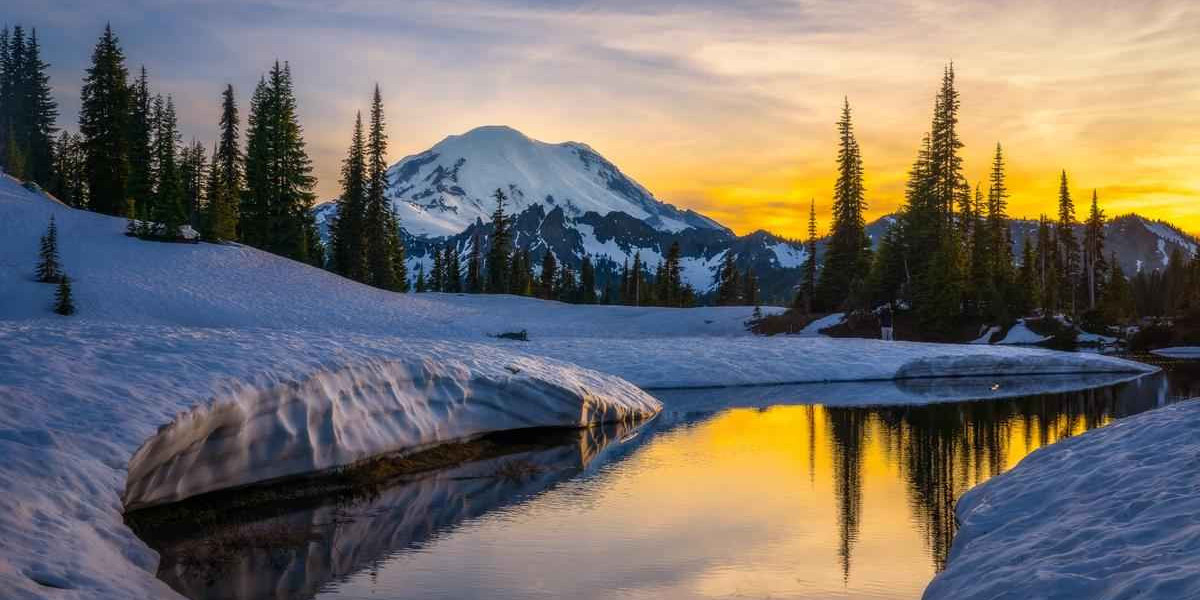

The Kedarkantha winter trek has become one of India’s most talked-about Himalayan adventures. Every winter, trekkers from across the country arrive in Uttarakhand to experience snow-laden forests, frozen lakes, and a summit view that feels nothing short of magical. But while the trek itself is breathtaking, one decision often determines whether your journey becomes truly memorable—or unnecessarily stressful.
That decision is choosing the right trekking operator.
Many trekkers focus only on itinerary, cost, or social media reviews. What often gets overlooked is the importance of choosing a local trekking operator, especially for a winter trek like Kedarkantha. The difference between a generic operator and a locally rooted team can completely change your experience on the mountain.
This is where companies like Himalaya Tribe stand out—not just as service providers, but as mountain insiders who know Kedarkantha like home.
Understanding the Kedarkantha Winter Trek Environment
Before diving into why local operators matter, it’s important to understand the nature of the Kedarkantha winter trek.
This trek takes place at altitudes reaching around 12,500 feet, during months when temperatures can drop to -10°C or lower. Snow conditions change daily. Trails can disappear overnight under fresh snowfall. Weather can turn unexpectedly, especially during summit attempts.
In such an environment, local knowledge isn’t optional—it’s essential.
Local Operators Know the Mountain Beyond Maps
Online itineraries and GPS routes only show part of the story. Mountains don’t follow fixed rules, especially in winter.
Local trekking operators like Himalaya Tribe have teams who:
Live in or near Sankri village
Have trekked Kedarkantha multiple times every season
Understand snow behavior, wind patterns, and forest conditions
Know alternative routes if the main trail becomes unsafe
This deep familiarity allows them to adjust plans instantly when conditions demand it—something non-local operators often struggle with.
Better Safety Decisions During the Kedarkantha Winter Trek
Safety is the most critical factor on any winter trek.
A local trekking operator can:
Judge whether summit conditions are safe on a given day
Decide when to delay or cancel a summit push due to weather
Identify risky snow patches and avalanche-prone zones
Respond quickly in case of altitude sickness or injury
Himalaya Tribe prioritizes safety over rigid schedules. Their guides are trained to read the mountain, not just follow an itinerary. This flexibility often prevents accidents and ensures trekkers return safely.
Stronger Local Support & Emergency Response
In the rare event of emergencies—such as injuries, extreme weather, or health issues—local operators have a clear advantage.
They maintain:
Strong connections with local villages
Access to local porters and rescue assistance
Faster coordination with forest officials and authorities
Knowledge of evacuation routes
Because Himalaya Tribe operates locally, help is never far away. This level of preparedness is especially crucial on the Kedarkantha winter trek, where weather can slow down external rescue efforts.
Authentic Cultural Experience, Not a Commercial One
The Kedarkantha trail passes through villages that still follow traditional Himalayan lifestyles. Local operators don’t just pass through these places—they belong to them.
When trekking with Himalaya Tribe, trekkers experience:
Local Garhwali culture and traditions
Village stories connected to Kedarkantha folklore
Authentic food and local hospitality
Respectful interaction with forest ecosystems
This cultural connection adds depth to the trek, making it more than just a physical journey.
Better Campsites and Route Planning
Campsites on the Kedarkantha winter trek change with snow conditions. Some spots become wind-exposed, while others offer better shelter.
Local operators know:
Which campsites stay warmer during heavy snowfall
Where wind chill is lowest
How to position tents for safety and comfort
When to shift camps to avoid crowding or weather risks
Himalaya Tribe’s campsite planning ensures trekkers remain comfortable even during harsh winter nights.
Also Read: Kedarkantha Summit Guide: Height, Altitude, Temperature, and Sunrise Views
Smaller Groups, More Personal Attention
Many large operators prioritize volume over experience. This often results in large groups that are harder to manage, especially on snow trails.
Local operators usually keep:
Smaller group sizes
Better guide-to-trekker ratios
More personalized attention
Himalaya Tribe follows this approach, allowing guides to monitor each trekker’s health, pace, and comfort—something that matters deeply during the Kedarkantha winter trek.
Fair Pricing with Better Value
A common myth is that local operators are more expensive. In reality, the opposite is often true.
Because local companies:
Don’t rely heavily on middlemen
Source supplies locally
Employ local staff
They can offer better value without compromising quality.
With Himalaya Tribe, trekkers pay for experience, safety, and authenticity—not inflated branding costs.
Environmental Responsibility Matters
The Kedarkantha region lies within a protected forest area. Responsible trekking practices are essential to preserve its beauty.
Local operators are more invested in:
Waste management
Minimal environmental impact
Educating trekkers about Leave No Trace principles
Himalaya Tribe actively promotes eco-conscious trekking, ensuring future generations can experience Kedarkantha the same way.
Why Himalaya Tribe Is a Trusted Local Choice
Himalaya Tribe has earned its reputation by focusing on what truly matters in the mountains:
Experienced local trek leaders
Safety-first winter trekking protocols
Transparent itineraries
Genuine care for trekkers’ experience
Strong local roots in Uttarakhand
For those planning the Kedarkantha winter trek, choosing a local expert like Himalaya Tribe means choosing reliability, knowledge, and peace of mind.
FAQs: What Trekkers Commonly Ask
1. Why is Kedarkantha best done with a local operator?
Because winter conditions change rapidly, and local operators can adapt routes, camps, and schedules more safely.
2. Is the Kedarkantha winter trek risky without experienced guides?
Yes. Snow conditions, altitude, and weather make professional guidance essential.
3. Are local operators better for beginners?
Absolutely. They provide better pacing, safety checks, and personal support.
4. Does a local operator improve the trekking experience?
Yes. You gain cultural insight, better campsites, and a smoother overall journey.
5. Is Himalaya Tribe suitable for first-time trekkers?
Yes. They specialize in beginner-friendly winter treks with strong safety protocols.
6. What months are best for the Kedarkantha winter trek?
December to February offers peak snow conditions.
7. How cold does it get during the trek?
Night temperatures can fall between -5°C and -15°C depending on conditions.
8. Do local operators provide safety gear?
Yes. Reputed operators like Himalaya Tribe provide microspikes, gaiters, first-aid kits, and trained guides.
Conclusion
The Kedarkantha winter trek is not just about reaching a summit—it’s about how safely, comfortably, and meaningfully you experience the journey. Choosing a local trekking operator makes all the difference.
With deep mountain knowledge, strong safety systems, cultural authenticity, and environmental responsibility, local experts like Himalaya Tribe ensure that your trek is not only beautiful, but also truly worthwhile.
When it comes to winter trekking in the Himalayas, local experience isn’t a luxury—it’s a necessity.