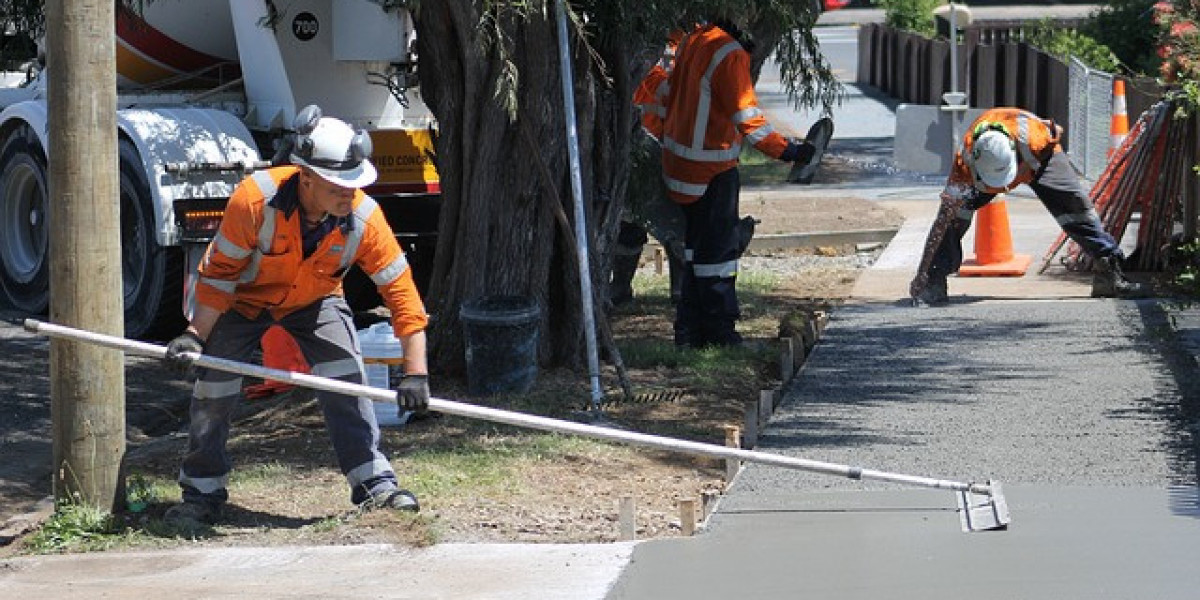

Sidewalks are more than just pathways for pedestrians—they are a critical part of public safety and urban infrastructure. In recent years, sidewalk repair has increasingly become a legal concern for property owners, especially in busy cities where foot traffic is constant. Cracked, uneven, or damaged sidewalks don’t just look bad; they can lead to serious injuries, legal liability, and costly penalties if ignored.
Understanding why sidewalk repair is now tied so closely to legal responsibility can help property owners avoid violations, lawsuits, and unexpected expenses.
The Growing Legal Responsibility of Property Owners
In many municipalities, local laws place the responsibility of sidewalk maintenance directly on adjacent property owners. This means that if a sidewalk in front of a residential or commercial property becomes damaged, the owner—not the city—may be legally required to fix it.
Government agencies have become stricter due to:
Rising pedestrian injury claims
Increased slip-and-fall lawsuits
Aging concrete infrastructure
Higher standards for accessibility and safety
As a result, failure to address sidewalk issues on time can result in official notices, fines, or even court action.
How Damaged Sidewalks Create Legal Risk
A damaged sidewalk poses more than a visual problem. Uneven concrete, surface cracks, or sunken slabs can easily cause pedestrians to trip and fall. When an accident occurs, investigations often focus on whether the property owner took reasonable steps to maintain safe walkways.
Common sidewalk issues that raise legal concerns include:
Trip hazards caused by uneven slabs
Large cracks or broken concrete
Poor drainage leading to water pooling
Tree root damage pushing slabs upward
If it’s proven that a property owner neglected necessary sidewalk repair, they may be held financially responsible for injuries, medical bills, or settlements.
DOT Violations and Compliance Issues
One of the main reasons sidewalk repair has become a legal issue is the rise in DOT violation notices. City inspectors routinely check sidewalks and issue violations when they fail to meet safety standards.
Ignoring these notices can lead to:
Increased fines
Mandatory repair orders
Legal enforcement actions
Delays in property sales or permits
Timely DOT violation removal is essential to remain compliant and avoid escalating penalties. Addressing problems early is often far more affordable than dealing with enforcement later.
Sidewalk Repair vs. Sidewalk Installation
Property owners often misunderstand the difference between repair and replacement. While minor cracks can sometimes be repaired, severely damaged sidewalks may require full sidewalk installation to meet current safety codes.
Knowing when repair is sufficient and when replacement is legally required helps owners stay compliant. In many cases, inspectors will specify the scope of work needed to clear a violation.
Accessibility Laws and Public Safety Standards
Modern sidewalk regulations are heavily influenced by accessibility requirements. Walkways must be safe and usable for everyone, including individuals with disabilities, seniors, and children.
Failure to meet accessibility standards can increase legal exposure. Issues such as improper slopes, uneven surfaces, or obstructed walkways may violate safety codes and accessibility guidelines, making concrete sidewalk repair a compliance necessity rather than an option.
Financial Consequences of Delayed Sidewalk Repair
Delaying sidewalk repair may seem like a cost-saving decision, but it often leads to higher expenses in the long run. Small cracks can expand, structural damage can worsen, and minor compliance issues can escalate into major legal problems.
Potential costs include:
Higher repair or replacement expenses
Legal fees and insurance claims
Increased liability exposure
Property value reduction
Proactive sidewalk maintenance helps avoid these risks while preserving long-term value.
Professional Sidewalk Repair as a Preventive Measure
Hiring experienced professionals ensures repairs are completed according to local regulations and safety standards. Professional services help identify hidden issues, address compliance requirements, and ensure durable results.
Trusted contractors like Eden Pro Contractors understand the importance of meeting legal and DOT standards while delivering reliable sidewalk repair, sidewalk installation, and DOT violation removal services.
Conclusion
Sidewalk repair is no longer just about aesthetics—it’s a legal responsibility that directly impacts public safety, property value, and owner liability. With stricter enforcement, accessibility standards, and rising pedestrian claims, property owners must take sidewalk maintenance seriously.
Addressing sidewalk damage early, responding promptly to DOT violations, and investing in professional repair solutions can prevent legal trouble and costly consequences. Contact us today for Free Estimates to ensure your sidewalks remain safe, compliant, and legally protected.
FAQs
1. Why am I responsible for sidewalk repair in front of my property?
Many cities assign sidewalk maintenance responsibility to adjacent property owners to ensure timely repairs and public safety.
2. What happens if I ignore a DOT sidewalk violation?
Ignoring a violation can result in fines, legal action, or the city completing repairs at your expense.
3. Is sidewalk repair always required, or can I delay it?
Delaying repair increases safety risks and legal exposure. Prompt action is strongly recommended once damage is identified.
4. When is sidewalk installation necessary instead of repair?
If damage is extensive or structural, full sidewalk installation may be required to meet safety codes.
5. How does sidewalk repair reduce legal risk?
Proper repair removes trip hazards, ensures compliance, and minimizes the chance of injury claims or lawsuits.