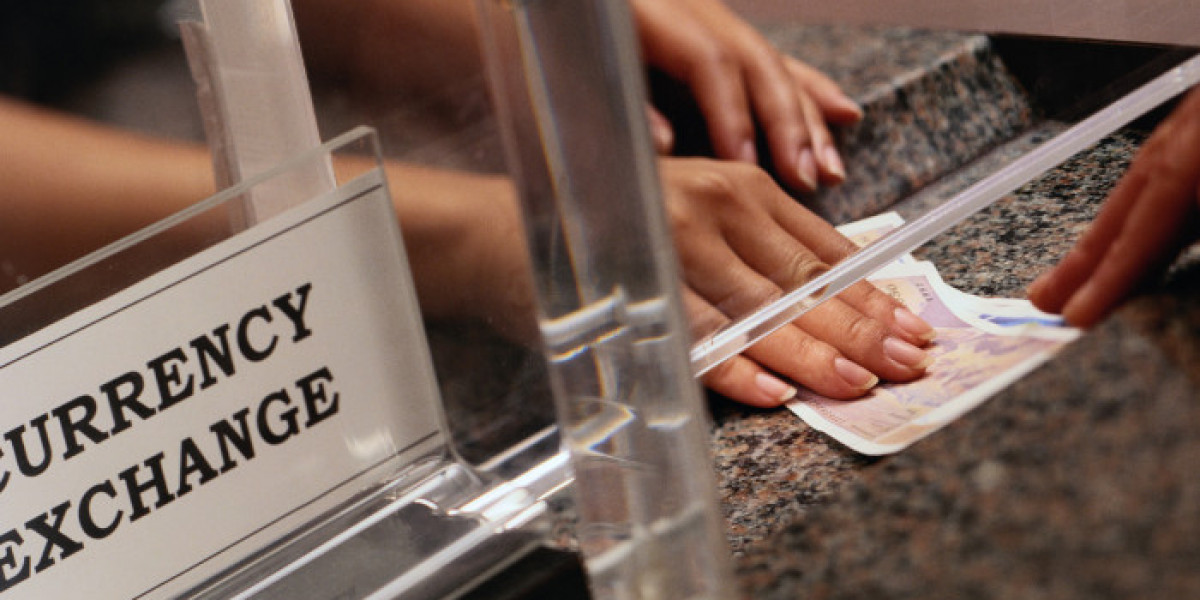

Traveling abroad requires careful planning, and one of the most important steps is exchanging your currency. Many travelers in India often make the mistake of waiting until the airport to get foreign currency, only to face steep charges and poor exchange rates. If you want to save time, money, and stress, it’s crucial to understand the different ways to exchange currency in India, the fees involved, and the limits you must follow.
Here’s a detailed guide to help you navigate foreign currency exchange India safely and conveniently.
1. Banks
Banks are the most traditional way to exchange currency in India. They are trusted institutions and provide a sense of security when dealing with foreign money.
Pros:
- Safe and regulated by law.
- Transparent documentation process.
Cons:
- Exchange rates include hidden margins, making them slightly expensive compared to the interbank rate. For example, if the interbank rate for USD is ₹85, your bank may charge ₹87 per USD.
- Not all currencies are available on demand, especially exotic ones.
- Process is slow and may require a branch visit.
While banks are reliable, travelers seeking better rates and faster service may find traditional banking options limiting.
2. RBI-Approved Money Changers
Offline money changers licensed by the Reserve Bank of India provide another option for foreign currency exchange services.
Pros:
- Often more flexible than banks, with negotiable rates.
- Accessible locally, saving you a trip to the bank.
Cons:
- Only licensed money changers are safe; unlicensed dealers pose risks such as counterfeit notes or fraud.
- Rates are inconsistent and can vary significantly between dealers.
- Security of your documents may not be as robust as banks.
If you choose a licensed RBI-approved money changer, always verify their credentials to ensure safety.
3. Airport Counters
Airport forex counters are convenient, especially for last-minute travelers.
Pros:
Quick and easy access before boarding.
Cons:
- High fees and markups, often 10–15% above the actual rate.
- Long queues and limited currency options.
- Lack of transparency can result in unexpected charges.
- Airport counters are suitable only in emergencies. For planned travel, better rates can be secured elsewhere.
. Online Forex Platforms (like IME India)
Online platforms have revolutionized foreign currency exchange India, offering convenience, transparency, and competitive rates. IME India is a reliable provider offering a full range of services, including currency notes, prepaid forex cards, and travel money solutions.
Benefits of using IME India:
- Guaranteed best rates: Customers get rates close to the interbank rate, with no hidden markup.
- Wide currency range: Over 50 currencies, including exotic ones, delivered to your doorstep.
- Convenience: Book anytime, 24×7, and receive same-day delivery in many cities.
- Transparent fees: No hidden charges, and cashback offers are available if better rates are found elsewhere.
- Safety: IME India partners only with RBI-approved dealers, ensuring secure transactions.
For travelers who prefer hassle-free service, online forex platforms are the smartest choice for foreign currency exchange services.
Documents Required for Currency Exchange in India
Regardless of the method you choose, you must provide certain documents:
- Original valid passport (front and back pages)
- Valid visa for the destination country
- Confirmed travel ticket (within 60 days)
- PAN card
Some providers may request additional documents based on the purpose of travel, so it’s best to check in advance.
Currency Exchange Limits in India
To stay compliant with regulations:
- Liberalized Remittance Scheme (LRS): Indian residents can send up to USD 250,000 abroad per financial year.
- Carrying cash abroad: Maximum USD 3,000 in hand; the rest can be loaded on forex cards.
- Returning with leftover currency: Declare amounts over USD 10,000 at customs.
- Encashing leftover currency: Up to USD 2,000 can be retained; excess must be encashed within 180 days.
Being aware of these limits helps you avoid penalties and ensures a smooth travel experience.
Final Thoughts
Choosing the right method to exchange currency in India can save you significant money and stress. While banks, airport counters, and offline money changers have their place, online platforms like IME India combine safety, speed, and the best rates, making them the most reliable option.
By planning ahead, providing the necessary documents, and understanding the limits, you can step into your journey prepared and financially confident.