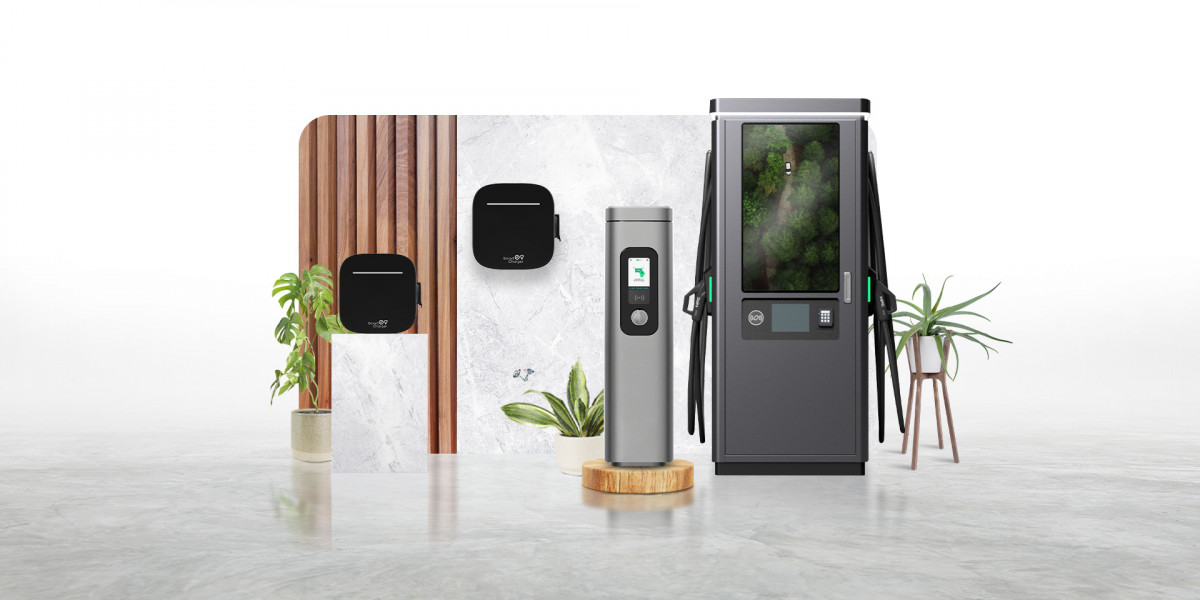

Dubai's transformation into a global hub for electric mobility is accelerating at an unprecedented pace. As the emirate pursues its ambitious sustainability goals and positions itself as a leader in innovative transportation solutions, the landscape of EV charging in Dubai is evolving rapidly. Understanding emerging trends and technological advancements helps residents, businesses, and investors make informed decisions about EV charging infrastructure that will remain relevant and valuable throughout the next decade. This comprehensive analysis explores the transformative trends reshaping how Dubai charges its growing electric vehicle fleet.
Ultra-Fast Charging: The 350kW Revolution
The most visible trend transforming EV charging stations in Dubai is the rapid deployment of ultra-fast charging technology. While today's typical DC fast chargers deliver 50-150kW, next-generation systems are pushing power levels to 350kW and beyond, reducing charging times from 30-45 minutes to just 10-15 minutes for 80% capacity.
Technology Drivers: This charging speed revolution stems from advancements in battery chemistry supporting higher charge acceptance rates, cooling systems managing extreme power levels safely, grid infrastructure upgrades providing necessary electrical capacity, and standardization through protocols like CCS (Combined Charging System) ensuring vehicle compatibility.
For commercial EV charger Dubai operators, ultra-fast charging dramatically improves station economics. Higher throughput means more vehicles charged per station daily, increasing revenue per installed charger. Businesses investing in charging infrastructure today should prioritize locations with electrical capacity supporting future ultra-fast charger upgrades.
Home Charging Implications: While residential properties won't require 350kW charging, the technology's influence extends to home EV chargers in Dubai through improved battery management systems and smart charging protocols developed for ultra-fast charging that optimize home charging efficiency and battery longevity.
Vehicle-to-Grid (V2G) and Bidirectional Charging
Perhaps the most transformative trend is bidirectional charging technology enabling electric vehicles to not only draw power from the grid but also supply electricity back during peak demand periods. This Vehicle-to-Grid (V2G) capability fundamentally changes EVs from passive energy consumers to active grid assets.
How V2G Works: Bidirectional EV chargers in Dubai allow electricity flow in both directions. During off-peak hours when electricity is abundant and cheap, your EV charges normally through your electric car charger in Dubai. During peak demand periods when electricity is expensive, your fully-charged EV can supply power back to your home or the grid, earning revenue or credits.
Financial Benefits: DEWA is exploring V2G pilot programs that could allow EV owners to earn AED 500-1,500 monthly by participating in grid stabilization services. For a typical household, this revenue could cover the monthly vehicle payment, essentially making EV ownership free. Commercial fleets with dozens of vehicles could generate substantial revenue streams from their parked vehicles.
Infrastructure Requirements: Realizing V2G benefits requires installing bidirectional-capable residential EV chargers Dubai equipment, which currently costs 30-50% more than standard chargers but offers future revenue generation capability. Eurosec's forward-thinking installations include V2G-ready infrastructure, positioning clients to capitalize on this technology as DEWA programs launch.
Wireless and Automated Charging
Eliminating cables entirely represents the next frontier in charging convenience. Wireless charging technology using electromagnetic induction is transitioning from experimental to commercial deployment, particularly for luxury vehicles and autonomous vehicle fleets.
Residential Wireless Charging: Imagine parking your vehicle over a charging pad embedded in your garage floor, with charging initiating automatically without plugging in cables. This convenience particularly appeals to luxury home EV charger Dubai installations where seamless integration and minimal user interaction are priorities.
Current wireless systems deliver 7-11kW charging power with 90-93% efficiency—slightly lower than plug-in chargers but acceptable for overnight charging. Premium brands like BMW and Genesis are introducing wireless charging options, with broader adoption expected throughout the 2025-2030 period.
Commercial Applications: Wireless charging offers unique advantages for commercial EV charging Dubai applications including taxi and ride-sharing fleets where drivers can charge at queuing areas without cable handling, autonomous vehicle fleets charging automatically at designated locations, and premium valet services at hotels and restaurants offering wireless charging as luxury amenity.
Installation Considerations: While current costs are prohibitive for mass deployment (2-3x conventional chargers), early adopters of wireless technology gain differentiation advantages. Eurosec's EV charging solutions include consultation on wireless charging feasibility for clients seeking cutting-edge installations.
Smart Grid Integration and Dynamic Pricing
Future EV charging in Dubai will involve sophisticated integration with smart grid systems that dynamically adjust charging based on grid conditions, renewable energy availability, and electricity pricing.
Real-Time Pricing Optimization: Rather than static time-of-use rates, future electricity pricing will fluctuate continuously based on supply and demand. Smart EV chargers in Dubai will automatically schedule charging during low-price periods while avoiding expensive peak hours, maximizing savings without user intervention.
Advanced algorithms will consider your vehicle's current charge level, departure time requirements, weather forecasts affecting renewable energy generation, and real-time electricity prices to optimize charging schedules dynamically. Potential savings could reach 40-50% compared to unmanaged charging.
Renewable Energy Matching: DEWA's increasing renewable energy integration creates opportunities for charging during high solar and wind production periods when electricity is cleanest and cheapest. Future charging systems will prioritize renewable energy, with home EV chargers automatically increasing charging rates when solar production peaks and reducing rates when renewable contribution drops.
Autonomous Vehicle Charging Networks
As autonomous vehicle technology matures, specialized charging infrastructure supporting self-driving vehicles will emerge. These systems enable vehicles to navigate to charging stations, charge autonomously, and return to service or parking without human intervention.
Automated Charging Stations: Future commercial charging stations in Dubai will feature robotic charging arms that automatically connect to vehicles, vehicle positioning systems guiding autonomous vehicles to precise charging locations, and automated payment and authentication systems eliminating user interaction requirements.
Fleet Management Integration: Commercial fleets operating autonomous electric vehicles will require sophisticated charging management systems coordinating multiple vehicles, optimizing charging schedules across fleet operations, predicting charging needs based on upcoming route assignments, and integrating with fleet management platforms.
Businesses planning CPO EV charger operations in Dubai should consider future autonomous vehicle requirements even if current fleets are human-driven, as the transition will occur gradually over the next decade.
Battery Technology Improvements
Advancing battery technology profoundly impacts charging infrastructure requirements and strategies. Several trends will reshape the EV charging landscape in Dubai.
Extended Range Reducing Charging Frequency: Next-generation batteries offering 600-800 kilometer real-world ranges mean vehicles require charging less frequently. While seemingly reducing charging demand, this shift actually increases the importance of home charging infrastructure in Dubai as most drivers can complete weekly activities on a single home charge, reducing dependence on public networks.
Faster Charging Capability: Improved battery chemistry and thermal management enable higher charging rates without degradation. Future EVs will routinely accept 300-400kW charging, making ultra-fast charging practical for mid-trip recharging during long-distance travel.
Longer Battery Life: Current EV batteries typically retain 70-80% capacity after 8-10 years. Next-generation batteries promise 90%+ retention over 15-20 years, reducing replacement costs and improving EV total cost of ownership. This longevity makes investments in quality EV charging solutions Dubai more valuable as vehicles remain in service longer.
Standardization and Interoperability
The current fragmentation of charging standards, payment systems, and network operators is consolidating toward greater standardization and interoperability.
Charging Standard Convergence: While multiple charging standards exist globally (CCS, CHAdeMO, Tesla, GB/T), the industry is converging toward CCS as the dominant standard, particularly in Europe and Middle East markets. Tesla's recent adoption of CCS in newer markets signals this convergence. Future EV chargers in Dubai will predominantly support CCS, simplifying equipment selection and ensuring vehicle compatibility.
Payment and Access Unification: Current frustration with multiple charging network memberships, apps, and RFID cards is driving toward unified payment systems. Future charging stations will accept standardized contactless payments, integrated vehicle payment systems, and roaming agreements enabling any driver to use any charging station regardless of network operator.
Eurosec's commercial installations emphasize open standards and interoperability, ensuring charging infrastructure remains compatible as industry standards evolve.
Regulatory Evolution and Incentive Programs
DEWA and Dubai's regulatory framework will continue evolving to support accelerating EV adoption and charging infrastructure deployment.
Building Code Requirements: Future building regulations will likely mandate EV charging infrastructure in new construction, similar to requirements emerging in European and American markets. Developers planning projects today should anticipate these requirements by including EV charging capacity in electrical designs, even if not immediately installing charging equipment.
Enhanced Incentives: As EV adoption accelerates, incentive programs will likely expand beyond current offerings. Potential future incentives include increased subsidies for home charger installations, tax benefits for commercial charging infrastructure, grants for public charging networks in underserved areas, and enhanced green tariff programs rewarding renewable energy charging.
CPO Licensing Streamlining: As the CPO business model in Dubai matures, licensing and operational requirements will likely streamline further, reducing barriers to entry and encouraging competition that benefits consumers through improved service and lower costs.
Luxury and Premium Charging Experiences
Dubai's affluent market is driving demand for premium charging experiences that match the luxury of high-end electric vehicles.
Branded Charging Lounges: Future charging locations will offer amenity-rich experiences including luxury waiting lounges with refreshments, business centers with high-speed internet and meeting spaces, concierge services, and retail partnerships. These premium experiences transform charging from utilitarian necessity to valued service.
Personalized Services: High-end installations for Tesla home charging in Dubai and Audi e-tron charging systems increasingly incorporate personalization including custom finishes matching home aesthetics, integration with luxury smart home systems, white-glove installation and service, and concierge-level customer support.
Eurosec's premium charging solutions cater to this demanding market segment, delivering installations worthy of Dubai's luxury properties.
Preparing for the Future Today
While many trends remain emerging technologies, forward-thinking decisions today position your charging infrastructure for future developments.
Future-Proof Installation Principles: Invest in electrical capacity exceeding immediate needs, select equipment supporting firmware updates and new standards, choose providers like Eurosec offering long-term service and support, and design installations accommodating technology additions without major reconstruction.
Regional Expansion: As charging infrastructure matures, Eurosec's expertise extends beyond Dubai to comprehensive solutions in Abu Dhabi and throughout the UAE, ensuring consistent quality across your charging network.
Conclusion
The future of EV charging in Dubai promises dramatic improvements in speed, convenience, intelligence, and integration with broader energy systems. Ultra-fast charging, bidirectional power flow, wireless technology, smart grid integration, and autonomous vehicle support will transform how we think about and interact with charging infrastructure.