
Originally Posted On: https://www.1800wheelchair.com/news/top-benefits-of-a-mobile-scooter-for-seniors-and-adults-with-limited-mobility/
Surprising fact: studies show many adults regain errands and outings that once felt impossible after switching to a mobility scooter—an increase in day‑to‑day independence that can be life‑changing.
Think of this guide as a friendly map. We’ll explain what a mobility scooter is, who it helps, and how it can cut fatigue so you save energy for the moments that matter. If you’ve wondered whether a mobile scooter fits your routine—short answer: maybe, and it depends on where you ride most.
Quick clarity: the best choice depends on your body, home layout, and routines. Compact travel models meet different needs than heavy‑duty full‑size scooters. We’ll keep it practical and real.
We’ll preview the main types—portable travel, 3‑wheel, 4‑wheel, full-size, and heavy-duty—and translate specs into real‑life benefits like range, speed, and storage.
1800Wheelchair is the trusted place to turn when you want calm guidance and a curated selection. For over two decades, they’ve helped folks narrow options without pressure and pointed out US‑market realities like shipping, service, and travel rules.
Key Takeaways
Mobility scooters expand independence and reduce daily fatigue.
Choose by body, space, and lifestyle—not marketing alone.
We’ll compare portable, 3‑wheel, 4‑wheel, full-size, and heavy‑duty types.
Key specs matter in real life: range, speed, and storage.
1800Wheelchair offers expert guidance and a curated product selection.
Why a Mobility Scooter Improves Everyday Freedom and Independence
When outings become tiring, a simple tool can restore your confidence and stamina. You can go farther without stopping, and that feels like real freedom.
Mobility scooter use replaces repeated standing and walking with seated movement. That change cuts fatigue and helps you plan a full day—shopping, appointments, or visits—without running out of energy.
Being out doesn’t mean overdoing it. A 3‑wheel or 4‑wheel scooter suits many routes and keeps knees, hips, and breathing relaxed. Different models meet different needs, so pick one that matches where you ride most.
Instead of forcing painful steps, you gain steadier control and predictable travel. That confidence helps you join plans more often—and enjoy them.
Daily wins: groceries, doctors, family time.
Less fatigue: Seated travel conserves energy.
Choice: scooters offer portability, comfort, or stability depending on use.
Daily Goal | How a scooter helps | Best match | Key benefit |
Shopping | Seated movement reduces stops | 4‑wheel | Stability |
Short errands | Easier curb‑to‑store access | 3‑wheel | Maneuverability |
Longer outings | Comfortable seating and range | Full‑size scooter | Endurance |
Mobile Scooter for Seniors: Who Benefits Most and When to Consider One
Knowing when a seated aid can expand your world begins with a few simple signals. If short distances, balance changes, or pain make outings shorter or riskier, it may be time to explore a practical solution.
Seniors managing stamina, balance, or walking‑distance limits: if you can walk a little but not far, a scooter can stretch your safe range so life does not shrink to the nearest chair. You keep moving where it matters—shops, church, or family events—without exhausting yourself. Explore scooters for seniors that fit tight spaces and quick errands.
Adults with disabilities or recovery needs who want more independence: during recovery or longer‑term needs, a scooter helps you choose where to spend energy—standing in line, enjoying exhibits, or staying present at gatherings.
Right time: distance limits, balance shifts, or pain that cuts plans short. Use‑case checklist: indoor space, outdoor terrain, travel, and transport needs. Not sure what fits? Consult 1800Wheelchair about seat height, turning radius, and weight capacity so you’re not guessing online.
Top Benefits to Look for in Electric Mobility Scooters in the US Market Today
Small details often decide whether a ride is easy and confidence‑building. We’ll translate features into everyday benefits, so you know what truly matters. Shopping for a medical scooter online? Keep the focus on fit, comfort, and realistic range—less hype, more “how it feels” down your street.
Easy‑to‑use controls and adjustable speed limiters: simple controls make learning fast and less stressful. Many models use thumb throttles for forward and reverse—predictable on day one.
Improved comfort on longer outings with supportive seats: A supportive seat reduces pressure and keeps posture right on longer trips. Look for padded seats and armrests—small upgrades that cut soreness.
Better maneuverability with the right turning radius: crucial in tight corners, store aisles, and elevators. A tighter radius keeps indoor paths usable.
Reliable single‑charge range for day‑to‑day use: expect realistic ranges near 12–20 miles depending on model and use. Focus on consistent single‑charge performance, not the top number in marketing.
Practical options: control placement, seat feel, and how the unit fits through your doorways. Pay attention to throttle reach, brake feel, and clearance.
How to Choose the Right Mobility Scooter Based on Where You’ll Use It
Where you ride most should guide which model you choose—home halls, sidewalks, or a mix, each demands different features. Start by listing your daily routes and primary scooter needs. If you’re buying a scooter for elderly family members, measure first and match specs to real spaces.
Indoor needs like narrow hallways and tight corners: prioritize a tight turning radius and compact base. Check doorway widths, bedroom clearances, and bathroom turns. Tip: measure hallways and doorways before you shop.
Outdoor needs like sidewalks, parking lots, and uneven surfaces: tires, suspension, and ground clearance matter. Lower clearance feels steady on flat paths; higher clearance helps avoid scraping on cracks and curbs.
Mixed‑use riders who want one scooter for home and travel: balance portability and comfort. Choose a unit that fits your car trunk but still has a supportive seat for longer errands and travel. Write down storage, lifting ability, trip distance, and frequency.
Portable Travel Scooters That Make Easy Transport Simple
Foldable versus disassembling designs
Folding styles collapse in seconds and are great for trunks with limited height. Disassembling designs break into pieces that you can lift one at a time. Practical note: some designs leave the heaviest piece around 22 lbs—helpful if you lift alone.
Why compact size matters beyond your car
Smaller size eases tight turns in shops, fits narrow hallways, and feels less bulky in crowded spaces. That makes outings feel easier and quicker.
What to expect from performance
On select travel scooter models, you may see up to about 12 miles per charge. That range suits errands and short day trips—but not all‑day exploring.
Feature | Foldable | Disassembling |
Load time | Fast (seconds) | Moderate (minutes) |
Heaviest piece | Single-folded unit | Often ~22 lbs |
Storage | Fits compact trunks | Stacks in closets |
Check before buying: total assembled weight, individual piece weight, and how long it takes you to load it comfortably. Confirm trunk height and storage spot to ensure easy transport.
Folding Travel Scooters for Air Travel and Cruises
What “airline approved” usually means
Airline-approved commonly indicates maintenance‑free battery types like gel cell or sealed lead acid, and a travel‑friendly fold or disassembly feature. That label does not guarantee acceptance—airlines vary in documentation and cargo rules.
Pre‑flight checklist
Call the airline and describe the unit and battery type.
Confirm if the unit is gate‑checked or must go in cargo.
Ask what paperwork or labeling they require and allow extra time at the airport.
Cruise realities and stateroom storage
Cruise lines often forbid leaving units in hallways. Your unit should fit through a typical stateroom door—about 22″—and store under a bed or in a closet. Folding or disassembly makes daily life inside tight cabins far easier.
Battery types commonly allowed
Maintenance‑free batteries such as gel cell and sealed lead acid are usually acceptable on planes, but rules change. Always confirm with both the airline and cruise line to avoid surprises.
Concern | What to check | Good feature to have |
Airline acceptance | Battery type, gate vs cargo policy | Sealed gel or SLA battery |
Airport handling | Documentation and extra time | Quick‑fold or light disassembly |
Cruise storage | Door width and stateroom space | Compact folding frame |
Three‑Wheel Mobility Scooters for Tight Turning and Indoor Comfort
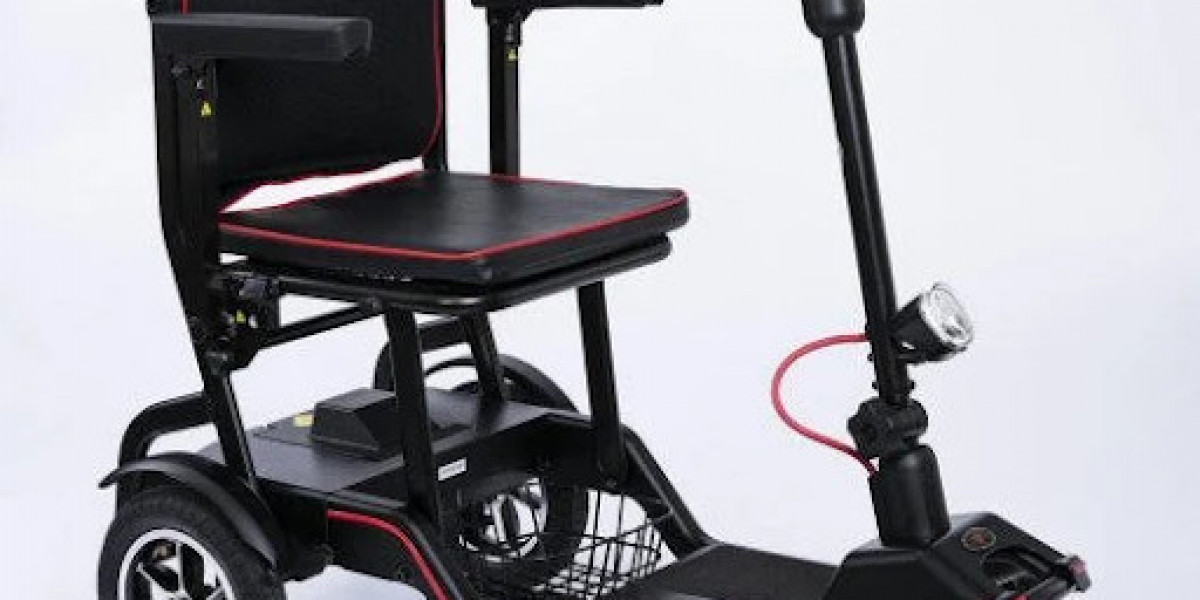
A three‑wheeled design shines when tight spaces and quick turns are part of your daily route. Indoors, the narrower base and focused weight distribution feel agile—smoother turns in hallways, kitchens, and crowded stores.
Best‑fit use cases
Choose this style if you spend most of your time at home, in an office, or on calm sidewalks. It’s ideal for short trips where maneuverability beats rugged capability.
Trade‑offs to consider
These units are not made for rough terrain. Gravel, uneven paths, and steep grades can feel less stable and lower your confidence outdoors.
Decision cue
If maneuverability is your top comfort factor, this is a strong solution. If outdoor stability matters more, review 4‑wheel options before buying.
Feature | Three‑wheel | Best match |
Turning radius | Tight (nimble) | Indoor and tight aisles |
Base width | Narrow | Small rooms, offices |
Outdoor confidence | Lower on rough paths | Smooth sidewalks only |
Four‑Wheel Mobility Scooters for Stability and Outdoor Use
Stability matters most when pavement gets unpredictable—four wheels help keep you steady. Four contact points spread weight more evenly, which cuts that tippy feeling on rough sidewalks and gives steadier handling at walking speeds.
Ground clearance and tire size for uneven terrain
Larger tires and higher ground clearance prevent scraping and help roll over cracks and curbs. Higher clearance plus beefier tires increases confidence on grass, gravel, and cracked pavement.
When a wider turning radius can be a deal‑breaker indoors
Full‑size four‑wheel models trade nimble turns for stability. That extra width may make tight halls or bathrooms hard to navigate.
Need | Best match | Key trade‑off |
Rugged sidewalks & parks | Large 4‑wheel | Wider turning radius |
Mixed indoor/outdoor | Compact 4‑wheel | Moderate stability vs maneuverability |
Short indoor use | Small 3‑ or 4‑wheel | Tighter turns, less high‑speed capability |
Full-Size Mobility Scooters for More Legroom and Easier Entry
A full‑size model changes how you sit, step on, and move through a day—comfort becomes the default, not an afterthought.
Bigger seats and added space that improve comfort and transfers
Full-size models give more platform room and extra legroom. That larger footprint means a seat you can relax in on longer trips. Wider seats also make transfers easier. If you use a cane or steady yourself when standing, the extra room helps you move with less strain.
Who should prioritize a larger option over a compact travel unit
Choose full size if you are taller, feel cramped in compact designs, or plan daily use for errands and appointments.
Need | Full size | Portable |
Legroom | Generous | Limited |
Entry & transfers | Easy | Trickier |
Storage & transport | Requires space | Easy to lift |
Buying tip: weigh how you will actually use the unit—comfort and daily fit often beat occasional transport convenience when you ride most days. We’re here to help match the right size to your needs and give you confidence in the choice.
Heavy Duty Mobility Scooters for Higher Weight Capacity and Longer Range
Heavy-duty means more than a sturdy frame. It signals higher weight capacity, reinforced components, and power systems built to handle daily, longer, or rougher use without strain.
Weight capacity benchmarks that shoppers commonly compare
Many heavier‑duty models start near 300 pounds, and some specialized models go up to 500 lbs.
Why stronger motors and bigger batteries increase range and durability
Stronger motors give smoother starts and steadier speed under load. Larger batteries support longer daily trips and reduce range anxiety. On select models, you can see ranges of up to 20 miles on a single charge. Real‑world range depends on terrain and rider weight—so heavier riders or rough routes will lower that number.
When all‑terrain features matter most
All‑terrain options—bigger tires, higher clearance, and suspension—matter if you ride on gravel, parks, or cracked sidewalks. They add confidence and reduce wear on the frame and batteries.
Concern | Typical benchmark | Result you’ll notice |
Weight capacity | 300–500 lbs | Stable, safe support |
Range on a single charge | Up to ~20 miles (varies) | Longer outings without recharge |
Batteries & motor | Larger amp‑hour batteries, stronger motors | Smoother acceleration under load |
All‑terrain | Large tires, suspension, and higher clearance | Better handling on rough paths |
Buying tip: Choose heavy‑duty models if you need the capacity or outdoor power. If you mostly stick to smooth sidewalks and short trips, a lighter unit can save cost and make daily life easier.
Key Specs That Matter: Speed, Range, and Single‑Charge Performance
Clear numbers on speed and single‑charge range turn uncertainty into a plan you can depend on. We’ll translate specs into how a trip feels—steady, slow, or endurance‑ready—so you can pick the right unit with confidence.
Typical speeds and what feels safe
Most units run about 3.5–5.0 mph. That matches a comfortable walking pace and feels stable for new riders. Larger outdoor‑focused models can reach ~10 mph, which suits parks or long sidewalks but is faster than most users need in crowds. Tip: start with lower speed settings when you learn and use speed limiters in busy areas.
Estimating how many miles of range you need
Count typical trips: mailbox (0.2–0.5 miles), store loop (2–4 miles), and appointments. Add them up and multiply by two to cover detours and return trips. Then add a buffer for aging batteries and unexpected stops.
What reduces real‑world range
Rider weight, terrain (hills, gravel, frequent stops), and battery health all affect miles per charge.
Spec | Typical value | What it feels like | Decision cue |
Speed | 3.5–5.0 mph (some to ~10 mph) | Walking pace vs brisk outdoor | Choose lower speeds for crowds, higher for long outdoor travel |
Range | 12–20 miles | Single‑day errands vs long outings | Pick a higher range if you plan long trips |
Single‑charge performance | Varies by weight/terrain/battery | Trusted vs optimistic estimates | Prioritize dependable real‑world numbers |
Batteries, Charging, and What to Expect Over Time
A simple charging routine can remove a lot of last‑minute stress. Make a plan for where you plug in, how often you charge, and what to do before a longer outing.
Battery charge time and daily rhythm: most units need several hours to reach a full charge. Treat overnight charging as the default—plug in each night and you’ll start the day ready.
Travel planning: pack any adapter or cable the manufacturer recommends. Knowing charge time helps you schedule stops and avoid low‑power surprises.
Maintenance‑free battery advantages for travel and convenience: gel cell or sealed lead acid reduce spills and handling, and simplify paperwork—still, always confirm with the airline before you fly.
A predictable charging rhythm and maintenance‑free batteries make outings smoother and less stressful.
What to expect over time: batteries age. Real‑world range will drop slowly, so build in a buffer from day one. If performance changes, good customer service and clear support save time and frustration.
Topic | Practical advice | Benefit |
Charge time | Check manufacturer hours; plan overnight | Ready each morning |
Travel needs | Confirm battery type and outlet access | Fewer surprises at airports or hotels |
Aging | Allow range buffer and test annually | Reliable daily use |
Tip: keep charging gear in one spot so it’s easy to plug in. Tip: ask the dealer about replacement cost and expected lifespan—those details affect long‑term value.
Comfort and Fit: Seat Size, Legroom, and Ride Quality
Comfort starts where your body meets the seat—small changes make big differences. A good fit affects posture, control, and whether you want to use a device every day.
Seat width: Many units offer seat widths of 16–19 inches. Outerwear and body shape change the best fit. A seat that’s too narrow pinches hips; too wide can reduce control on corners.
Legroom and knee comfort: on longer errands, you should sit with knees slightly bent and feet resting naturally—less strain on hips and lower back.
Ride quality: foam‑filled, flat‑free tires often feel smoother than hard solids and remove flat worries. Air‑filled tires may give extra cushion, but need maintenance. Suspension, when present, lowers vibration through the hips and shoulders.
Comfort element | Typical range | What you’ll notice |
Seat width | 16–19 inches | Better control and posture |
Tire type | Foam‑filled / air-filled/solid | Smoother ride vs maintenance needs |
Accessories | Multiple options | Daily convenience and storage |
Practical upgrades and options improve daily use: padded seat cushions, rear bags, phone mounts, cup holders, weather covers, and sturdy cargo baskets. Choose accessories that match your routine so the unit becomes a tool you reach for—not one that stays in the garage.
Maneuverability and Safety Features That Make Scooters Easy
Turning radius and indoor practicality: measure your tightest hallway, kitchen entrance, or bathroom turn and compare it to the spec before you buy. If that turn forces back‑and‑forth adjustments now, choose a model with a smaller radius.
Simple controls: thumb throttles for predictable starts and stops, clear forward/reverse controls to reduce confusion when backing out of doorways, and adjustable speed limiters while you build confidence in crowded stores.
Flat‑free foam‑filled tires and why riders prefer them: fewer flats, smoother feel than thin solids, and less maintenance.
Ground clearance: lower clearance feels steadier on flat sidewalks; higher clearance helps over cracks, curbs, and uneven paths. Safety‑first fit check: if indoor turns are stressful today, prioritize maneuverability even if you trade some outdoor ruggedness. We can help you match the right balance.
Delivery, Setup, and Ownership: Shipping, Assembly, and Service Support
A smooth delivery and clear setup plan turn a purchase into usable freedom from day one.
What “preassembled” typically means and how quickly you can start riding
Many brands ship units about 95% preassembled. That usually means the frame, wheels, and controls arrive ready, and you’ll only attach the seat and charge the batteries. Plan: charge fully, do a short practice session at home, and then try a calm public trip when you feel ready.
Home delivery and shipping policies to check
Ask whether standard ground shipping is free and if delivery is curbside or brought to your door. Inspect the box and product on arrival and note any cosmetic damage.
Service and troubleshooting expectations
Good providers offer phone troubleshooting and, if needed, can arrange an in‑home technician. Know warranty terms and your return window—some sellers allow ~30‑day returns if unused, but freight may be the customer’s responsibility.
Topic | What to check | Why it matters |
Preassembly | Seat installed? Batteries charged? | Start‑up time |
Shipping | Free ground? Curbside vs threshold? | Delivery convenience |
Service | Phone support & in‑home options | Fast repairs |
1800Wheelchair helps you parse these details and choose the best options, so your ownership starts calm and stays supported.
Conclusion
The right ride should feel like an easy extension of your daily routine. A well‑chosen wheelchair scooter expands independence at home, in stores, and out with people you care about—without asking you to “push through” discomfort.
Match categories to use: portable units help with easy transport and quick errands, 3‑wheel models excel at tight indoor turns, 4‑wheel units give outdoor stability, full-size adds comfort, and heavy-duty brings capacity and longer‑distance confidence.
Keep three specs top of mind: turning radius for indoor life, reliable range for your routine, and clear controls plus a supportive seat for everyday confidence. One last step: measure doorways, check lifting and transport limits, and be honest about where you will ride most often. When you’re ready, 1800Wheelchair will help you compare scooters, narrow options, and choose a model that fits your life—not just a spec sheet.
FAQ
What are the top benefits of a mobility scooter for seniors and adults with limited mobility?
A mobility scooter restores independence by making errands, social visits, and outdoor time easier with less fatigue. You get improved confidence, reduced fall risk, and the ability to stay active—whether inside the house or out in the neighborhood. Modern electric mobility scooters also offer supportive seats, adjustable speeds, and better maneuverability tailored to daily life.
How does a mobility scooter improve everyday freedom and independence?
Scooters let you do errands, visit friends, and carry groceries with far less effort. They reduce the need to “push through” pain or imbalance, which lowers fatigue and the chance of injury. You’ll feel more confident completing daily tasks and enjoying outings without relying on others.
Who benefits most from using a scooter, and when should I consider one?
People with limited stamina, balance issues, or restricted walking distance benefit most. Also, adults recovering from surgery or living with chronic conditions often find scooters help them regain independence. Consider one when walking causes pain, you avoid activities you once enjoyed, or you need help carrying items on outings.
What key features should I look for in electric mobility scooters sold in the US?
Prioritize easy‑to‑use controls, adjustable speed limiters, a comfortable, supportive seat, a turning radius suited to your spaces, and a reliable single‑charge range that meets your routine. Look at weight capacity, battery type, and available accessories like baskets and cup holders for convenience.
How do I choose the right scooter based on where I’ll use it?
For indoor use, focus on narrow bases and tight turning radii to navigate hallways and corners. For outdoor needs, choose a model with higher ground clearance, larger tires, and a longer range. Mixed‑use riders should look for a versatile scooter that balances compact size with sufficient battery life.
What makes a travel or folding scooter a good choice for transport?
Foldable or easily disassembled designs fit trunks and tight storage spaces, making transport simple. Compact size matters for quick errands and narrow aisles. Some travel models still deliver decent performance—around 10–12 miles per charge on select options—while staying light enough for easier handling.
Are there scooters approved for air travel and cruises?
Some folding travel scooters are airline-friendly, but “airline-approved” usually depends on battery type and airline rules—so confirm with your carrier. Cruise lines often have stricter stateroom and hallway rules; check doorway widths and storage policies in advance. Lithium‑ion batteries with specific approvals are commonly allowed, but always verify.
When is a three‑wheel scooter the better option?
Choose a three‑wheel model when you need a narrower base and the tightest turning radius for indoor spaces like kitchens and offices. They’re ideal for lighter outdoor routes, but they trade some stability on rough ground compared with four‑wheel designs.
Why pick a four‑wheel scooter instead of a three‑wheel?
Four wheels give greater stability and smoother rides over longer outdoor distances. They typically offer better ground clearance and larger tires for uneven terrain. However, they often have a wider turning radius, which can be limiting indoors.
What are the advantages of full‑size scooters?
Full‑size scooters provide more legroom, larger seats, and easier transfer on and off the seat. They suit riders who prioritize comfort, longer outings, or need higher weight capacity. If you spend many hours riding, a full‑size model often delivers a more comfortable experience.
When should I consider a heavy‑duty mobility scooter?
Opt for heavy‑duty models if you need higher weight capacity, stronger motors, and bigger batteries for longer range. These scooters are built for durability and often include “all‑terrain” features—useful if you ride on gravel, grass, or rough sidewalks frequently.
What specs really matter: speed, range, and single‑charge performance?
Typical speeds range from about 3 to 8 mph—slower speeds feel safer for new riders. Estimate the miles you need by adding up round‑trip errands and a margin for unexpected detours. Real‑world range varies with rider weight, terrain, accessory load, and battery health—so choose a model with some buffer above your daily needs.
How long do batteries take to charge, and what maintenance is required?
Charging time varies—often 6–12 hours for a full charge, depending on battery size. Maintenance‑free sealed batteries are convenient for travel and storage. Keep batteries charged regularly, avoid deep discharges, and follow the manufacturer’s care schedule to preserve range over time.
How do seat size, legroom, and ride quality affect comfort?
Seat width should match your body for good support and easier transfers. Suspension, tire type, and seat padding influence how smooth rides feel. Consider upgrades like swivel seats, armrest adjustments, or thicker cushions if you’ll be riding long periods.
What maneuverability and safety features should I prioritize?
Look for a tight turning radius, simple thumb throttles, easy forward/reverse controls, and speed limiters. Flat‑free or foam‑filled tires reduce flats and maintenance. Ground clearance matters—balance the need for stability with outdoor capability, depending on where you ride most.
What should I expect with delivery, setup, and ongoing service?
Many dealers offer preassembled or partly assembled options so you can start riding quickly. Check shipping policies, return windows, and whether in‑home setup or local service centers are available. Reliable customer service and access to replacement parts make ownership smoother if troubleshooting is required.