
In modern logistics and retail, ensuring that products reach customers in perfect condition is a top priority. One of the most effective solutions for safeguarding goods is shrink wrap packaging, which provides a tight, protective layer that shields items from environmental factors. By using this method, manufacturers and distributors can prevent damage from moisture, dust, and other contaminants, maintaining the quality and integrity of their products throughout storage and transportation.
What Is Shrink Wrap Packaging?
Shrink wrap packaging is a type of plastic film that tightly encases products when heat is applied. The film shrinks to conform to the shape of the item, creating a secure seal that keeps out dust, dirt, and moisture. This form of packaging is widely used across industries, from food and beverages to electronics and industrial equipment. Its versatility makes it suitable for individual items as well as palletized shipments.
How Shrink Wrap Protects Against Moisture
One of the primary benefits of shrink wrap is its ability to protect against water and humidity. Moisture can cause corrosion, mold growth, and deterioration of materials, particularly in sensitive products such as electronics, pharmaceuticals, and food items. Shrink wrap forms a barrier that prevents water from coming into direct contact with the goods. In combination with proper sealing techniques, this packaging minimizes the risk of damage during transit or storage in humid environments.
Protection Against Dust and Contaminants
Dust and airborne particles are another common threat to product quality. Even a thin layer of dust can affect electronics, machinery, and delicate components, while packaging aesthetics may suffer for consumer goods. By enveloping items in shrink wrap, businesses create a clean, sealed environment that reduces exposure to airborne contaminants. This protection is especially crucial in warehouses, retail displays, and distribution centers where products may be exposed to dust for extended periods.
Additional Benefits of Shrink Wrap Packaging
Security and Tamper Evidence
Shrink wrap not only protects against moisture and dust but also adds a layer of security. Tampering is easily noticeable, as damaged or removed shrink film is immediately apparent. This feature is essential for high-value goods, pharmaceuticals, and food products, where safety and integrity are critical.
Stabilization and Convenience
For multiple items or palletized goods, shrink wrap helps stabilize loads, preventing movement and potential damage during transportation. It keeps products tightly bundled, reducing the risk of shifting, scratching, or breaking.
Cost-Effectiveness and Versatility
Shrink wrap packaging is lightweight and generally affordable compared to alternative protective solutions. It can be customized for various product sizes and shapes, making it an adaptable option for a wide range of industries. The ability to create a snug, protective cover without the need for excessive materials makes it both economical and environmentally friendly when properly recycled.
Best Practices for Using Shrink Wrap
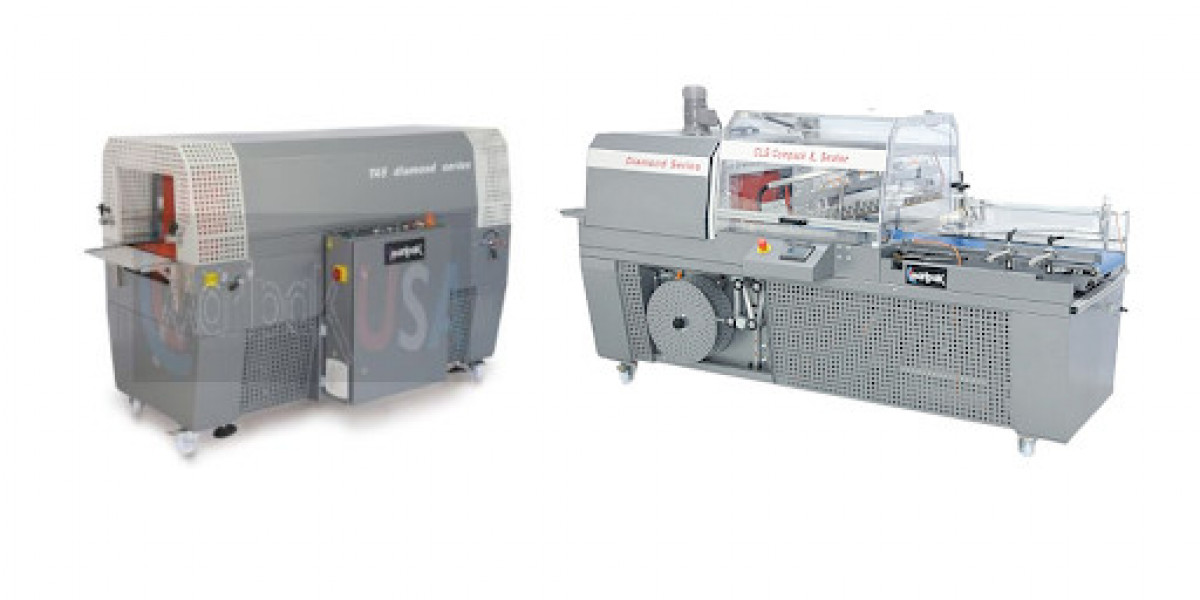
Proper application is key to maximizing the protective benefits of shrink wrap. Using the correct film thickness and heat settings ensures a tight, uniform seal that fully covers the product. Businesses should also consider using reinforced or multi-layer films for heavier items or long-term storage. Employing the right equipment, such as shrink tunnels and heat guns, contributes to efficiency and reliability in packaging operations.
In the middle and final sections of the packaging process, it is important to note that shrink wrap packaging continues to be a reliable solution for protecting products across supply chains. From small retail items to large pallet loads, its protective qualities are invaluable for maintaining quality, appearance, and safety.
Conclusion
Shrink wrap packaging is an essential tool for modern businesses seeking to protect their products from environmental hazards. By providing a tight, secure barrier, it prevents moisture, dust, and other contaminants from compromising product integrity. Its versatility, cost-effectiveness, and ability to enhance security make it a preferred choice across industries. For companies looking to optimize their packaging processes, integrating heat sealer machines ensures a consistent, professional application that maximizes the benefits of shrink wrap protection.