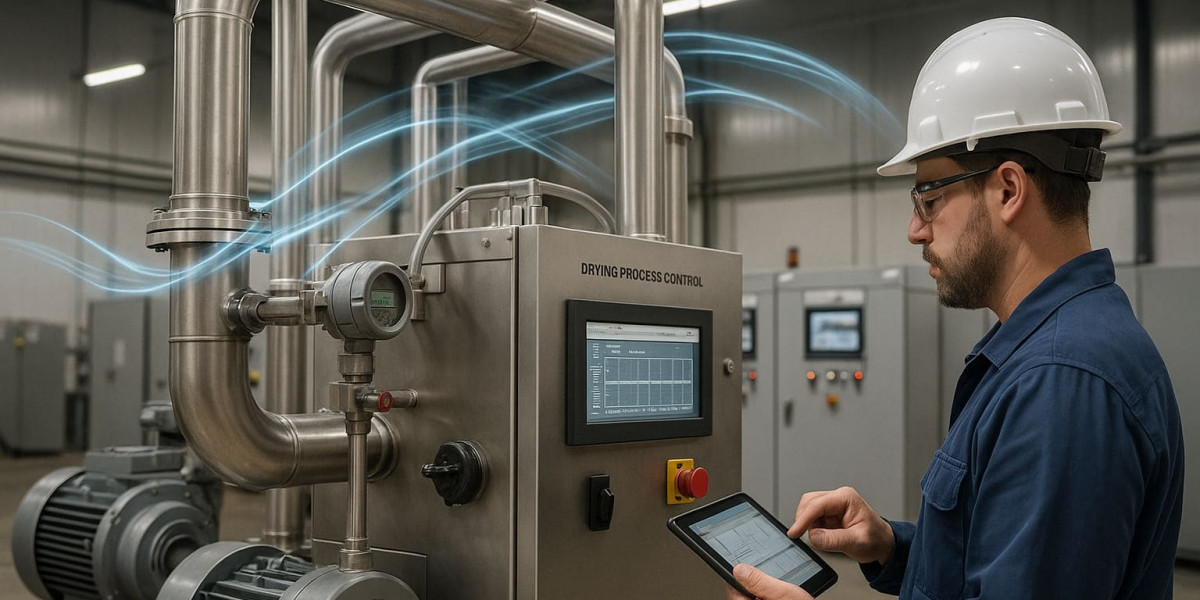

Compressed air is a vital utility in industrial environments, supporting core functions across manufacturing, processing, assembly, and maintenance operations. It is used to power tools, operate automation systems, control instrumentation, and maintain production efficiency. Any disruption in compressed air availability can result in immediate downtime, reduced output, and increased operational risk. At the same time, air compressor systems represent a significant capital and operating expense. For many industrial facilities, used air compressors offer a practical and technically sound solution for maintaining reliable compressed air capacity while controlling investment costs.
What Are Industrial Air Compressors?
Industrial air compressors are mechanical systems that generate compressed air by increasing the pressure of ambient air and delivering it to downstream equipment through a distribution network. The compressed air produced is used as a source of energy for pneumatic tools, actuators, valves, conveying systems, packaging equipment, and process controls.
These systems are engineered to operate under defined pressure ranges, airflow requirements, and duty cycles. In most industrial facilities, air compressors are part of a centralized system supplying multiple production lines or departments. Reliability, consistent output, and the ability to operate continuously under load are essential characteristics, as compressed air directly impacts productivity and process stability.
Why Used Air Compressors Are a Smart Industrial Choice
Used air compressors provide a balanced approach between performance, availability, and capital efficiency. New industrial air compressors often require high upfront investment, long manufacturing lead times, and extended commissioning periods. Used equipment allows facilities to access proven, industrial-grade compressors at a significantly lower initial cost.
Industrial air compressors are typically designed for long service life, using heavy-duty air ends, robust motors, and conservative engineering margins. When maintained properly, these machines can operate reliably for many years beyond their initial installation. As a result, used air compressors often deliver dependable performance comparable to new units in many industrial applications.
Another advantage is deployment speed. Used compressors are often available for quicker installation, making them suitable for equipment replacement, capacity expansion, or contingency planning. This helps facilities minimize downtime and maintain continuity of operations.
Types and Variations of Industrial Air Compressors
Industrial air compressors are available in several configurations, each suited to different operating conditions and production requirements.
Reciprocating air compressors use pistons driven by a crankshaft to compress air. These systems are commonly used in intermittent-duty applications or where compressed air demand varies. They are often found in maintenance areas, workshops, and smaller manufacturing environments.
Rotary screw air compressors are widely used in continuous-duty industrial operations. They provide a steady flow of compressed air, operate efficiently under load, and are well suited for manufacturing plants, processing facilities, and automated production lines with consistent air demand.
Centrifugal air compressors are designed for large-scale operations requiring very high airflow volumes. These compressors are typically used in refineries, petrochemical plants, power generation facilities, and large manufacturing complexes with centralized compressed air systems.
Air compressors are also categorized by lubrication method. Oil-flooded compressors are commonly used for general industrial applications, while oil-free compressors are selected for processes requiring clean, contaminant-free air, such as food processing, pharmaceuticals, electronics manufacturing, and certain chemical operations.
Industries That Use Air Compressors
Air compressors are essential across a wide range of industrial sectors. Manufacturing facilities rely on compressed air to power production equipment, robotic systems, and assembly tools. Chemical and petrochemical industries use compressed air for instrumentation, process control, and material conveying.
Food and beverage processing operations depend on compressed air for packaging, conveying, and cleaning processes, often under strict air quality requirements. Pharmaceutical and electronics industries require reliable, clean compressed air to meet regulatory standards and quality specifications.
Automotive manufacturing, metal fabrication, mining, construction materials, energy production, and utilities also rely heavily on air compressors for production and maintenance activities. Warehousing and logistics facilities use compressed air to support packaging lines, palletizing systems, and automated material handling equipment.
Key Benefits in Industrial Operations
Used air compressors contribute directly to operational reliability and efficiency. A properly selected compressor ensures consistent air pressure and flow, reducing the risk of equipment malfunction and unplanned production stoppages. Stable compressed air delivery improves the performance and service life of downstream pneumatic systems.
Cost efficiency is another key benefit. Used compressors reduce capital expenditure while still providing essential utility capacity. This allows facilities to allocate resources toward preventive maintenance, energy optimization, or other process improvements.
When correctly sized and maintained, used air compressors can support predictable operating costs. Although compressed air systems are energy-intensive, disciplined maintenance, leak management, and load control help maintain acceptable energy performance.
Buying Considerations for Used Air Compressors
Selecting a used air compressor requires careful evaluation of both application requirements and equipment condition. Buyers should assess airflow demand, operating pressure, duty cycle, and air quality requirements to ensure the compressor aligns with production needs. Improper sizing can result in inefficiencies, excessive wear, and higher operating costs.
Equipment condition is critical. Key components such as the air end, motor, bearings, seals, cooling system, and control panel should be inspected for wear and remaining service life. Operating hours and maintenance history provide valuable insight into expected reliability and long-term performance.
Electrical compatibility and power availability must also be reviewed to ensure smooth installation. Integration with existing compressed air infrastructure and control systems is particularly important in automated or centrally monitored facilities.
Environmental conditions such as ambient temperature, dust levels, and humidity should be considered, as these factors directly affect compressor performance and longevity.
Maintenance and Longevity Best Practices
Effective maintenance is essential to extending the service life of used air compressors. Routine inspection, lubrication, and replacement of filters help maintain performance and prevent unexpected failures. Cooling systems should be kept clean to avoid overheating and efficiency loss.
Moisture management is especially important in compressed air systems. Proper drainage, air drying, and filtration protect downstream equipment and reduce corrosion within the system. For oil-lubricated compressors, regular monitoring of oil quality and levels is critical.
Control systems and safety devices should be tested periodically to ensure reliable operation. Operator training also plays a key role, as correct startup, shutdown, and load management practices reduce mechanical stress and unnecessary energy consumption.
A structured preventive maintenance program improves uptime, extends equipment life, and supports predictable operating costs.
Conclusion
Used air compressors provide a reliable and cost-effective solution for industrial facilities that depend on consistent compressed air supply. When selected with careful attention to application requirements, equipment condition, and system integration, used compressors can deliver dependable performance across a wide range of industrial operations. Supported by disciplined maintenance and proper operational practices, used air compressors remain a valuable asset in maintaining productivity, efficiency, and long-term operational stability.