
When we talk about modern packaging, it is associated with innovation such as lighter materials, automation- ready designs, and eco- friendly materials. Some packaging is not the priority of the brands because it is new, but rather because the packaging seems to be reliable.
The two-piece boxes, which may be assumed to be traditional or even old-fashioned, still work forever. Now, in the packaging industry, the question arises as to why these packaging designs still fit in today’s packaging landscape.
This article explores the structure and user interaction of two-piece boxes, the benefits and drawbacks, and also provides a balanced understanding of when and why this format makes sense.
Understanding the Two-Piece Box Structure
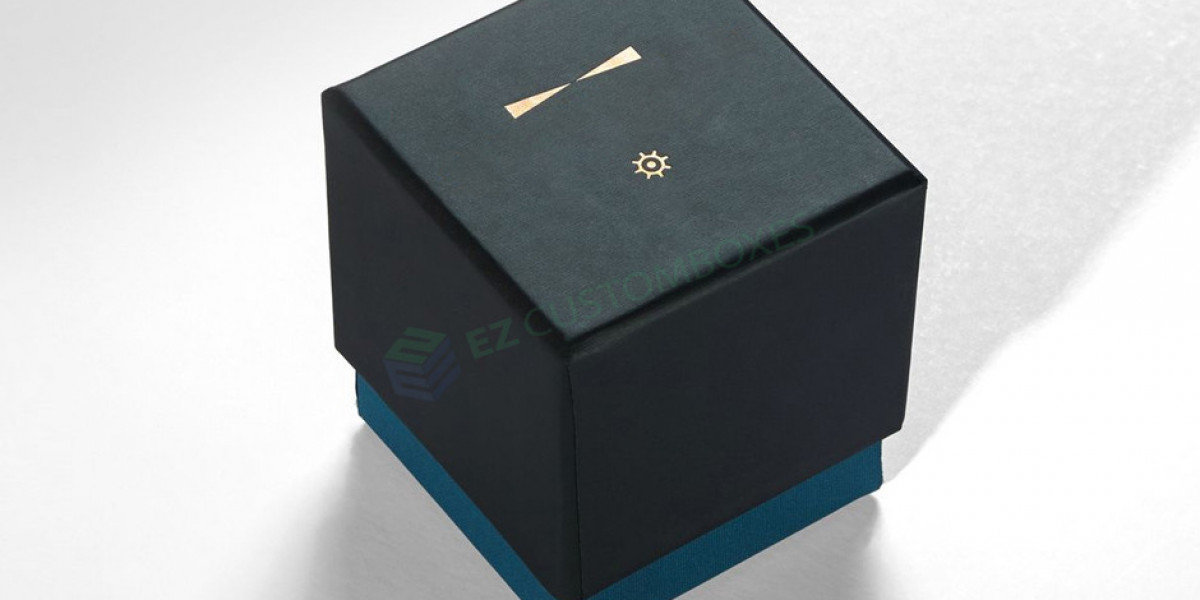
These boxes come in two independent parts: the base and the lid. The base helps to hold the product, and the lid is used to cover the base. These boxes are different from the box with interlocking flaps. This makes the box easy to open and close. Most of these boxes are made up of cardboard- based materials such as chipboard or greyboard, and then this material will be further wrapped with paper. this wrapping actually creates the clean edges and smooth surface.
The Role of User Experience in Packaging Design
Usually, when there is a discussion about the packaging, two things will be kept in focus: protection and logistics, but there is one more thing that is as important but rarely considered. User experience when they get the box, but two-piece boxes take the consumer emotion in to consider and allow the slower, more intentional opening process. When consumers lift the lid with their hands and eyes on the box, this creates a brief pause. Studies in consumer behavior suggest that this little pause, which seems to be of no importance, actually heightens perceived importance and reinforces the idea that the item inside is worth care and attention.
Perceived Quality and Material Communication
The choice of material really matters; it creates the whole aura of the box. It communicates before any text or branding. When the box is constructed with rigid cardboard, weight, and firmness, it increases the score on the quality board. These boxes don’t require much extra decorative elements, the structure it self give the feel of exclusiveness. These boxes are perfectly aligned with the worth of premium and luxury products.
Functional Protection Beyond Appearance
There is no comparison for the looks of these boxes, but even from a practical point of view, these boxes provide strong protection against compression and external pressure. According to the consumer behavior studies, it was found that different functional features such as convenient handling, clear labeling or durability shape the consumer perceptions of quality and buying decision. These boxes are thus a suitable choice for the fragile items. And the product will remain safe during handling or transporting.
Design Flexibility Without Structural Complexity
The design structure of two-piece boxes is simple; manufacturers just need to focus on material, visuals, or proportion rather than complex die-cut engineering. These boxes are usually designed by using minimal graphics, natural textures, and simple finishes rather than crowded designs or elaborate embellishments. This flexibility supports thoughtful design choices rather than purely promotional ones.
Production and Cost Considerations
The box may look visually attractive, professional, and functional. But for construction, thick material is required; it also requires many manual steps during production, which ultimately increase the unit cost, especially when the boxes are not in bulk. Yes, but when the brands are buying these boxes in bulk can reduce the per unit price. From a business perspective, the decision to use two-piece boxes should be tied to overall product strategy rather than aesthetic preference alone.
Storage, Handling, and Operational Impact
One more factor needs to be considered: these boxes are usually shipped pre-assembled, which obviously means more storage, more transportation costs, and more warehouse costs. These boxes utilize manual placement of the products, which results in a slower packing process compared to automated folding and sealing systems.
Environmental Perspective and Material Responsibility
These boxes are sometimes criticized for material use. But when these boxes are crafted with recycled cardboard and finished without the use of plastic laminations. These boxes can also be recycled through standard paper waste streams. Responsible brands don’t use excessive coatings or unnecessary add-ons, which make the box eco-friendlier.
Concluding Perspective
Two-piece packaging, traditional packaging, but still meet the needs that many modern packaging solutions cannot. They cover all the main points, such as the consumer’s experience, visual attraction, and functionality. But need to be planned carefully, such as the high costs, storage needs, and environmental considerations. These boxes are the practical choice for specific situations.
Overall, two-piece boxes work best when they match the product’s needs. With proper planning, they can still be a smart and effective packaging choice.