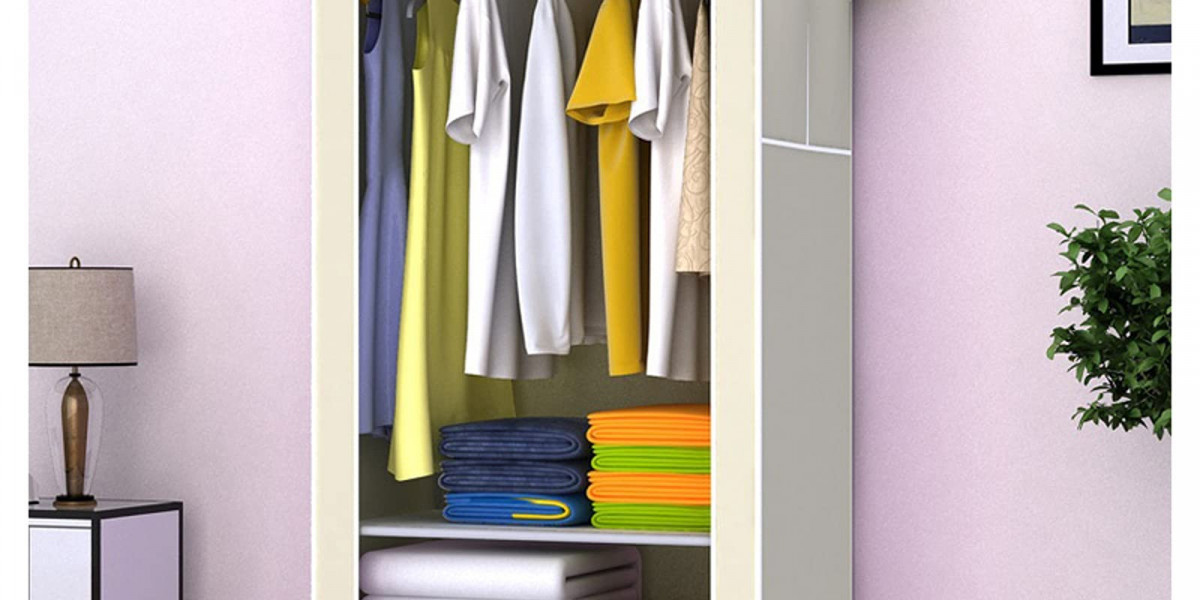

In today’s fast-paced world, homes are getting more compact, lifestyles are becoming more flexible, and people are rethinking how much they really need. One concept that perfectly fits this shift is the small wardrobe. Rather than being a limitation, it encourages smarter choices, better organization, and a more intentional relationship with clothing. When managed well, even a modest storage space can support daily routines without stress or clutter.
Why Smaller Clothing Spaces Are Becoming Popular
Modern living has changed how we use our homes. Apartments are smaller, shared spaces are more common, and minimalism has moved from trend to lifestyle. A reduced clothing storage area naturally supports these changes by discouraging excess and promoting efficiency.
Instead of overflowing drawers and crowded hangers, people are choosing to own fewer, better-quality pieces. This approach saves time when getting dressed, reduces decision fatigue, and makes daily life feel more organized. It’s not about sacrificing style—it’s about refining it.
How a Small Wardrobe Can Improve Daily Life
Living with limited clothing storage often leads to positive habits. When every item has a place, mornings become smoother and less chaotic. You can quickly see what you own, what fits, and what truly suits your lifestyle.
A thoughtfully managed small wardrobe also encourages mindful shopping. Rather than impulse buying, people begin to ask practical questions:
Can this piece work with multiple outfits?
Is it comfortable enough for regular wear?
Does it reflect my personal style?
These simple considerations help build a collection of clothes that actually get worn, rather than forgotten.
Organization Matters More Than Size
When space is limited, organization becomes essential. Folding techniques, vertical storage, and clear categorization can make a dramatic difference. Grouping clothes by function—workwear, casual wear, seasonal items—helps maintain order and reduces clutter.
Storage tools such as slim hangers, drawer dividers, and stackable boxes allow you to use every inch efficiently. The goal is not to squeeze more items in, but to create a layout that feels breathable and accessible.
Lighting also plays a role. Good visibility helps you appreciate what you own and prevents unnecessary purchases caused by “out of sight, out of mind” thinking.
Building a Versatile Clothing Collection
One of the biggest advantages of a compact clothing setup is versatility. Each item should ideally work in multiple combinations. Neutral colors, classic cuts, and adaptable layers create more outfit options without increasing quantity.
For example, a well-fitted jacket can work for casual outings, professional settings, and evening events depending on how it’s styled. Shoes and accessories also play a major role in changing the look of the same outfit, allowing variety without overcrowding your space.
This approach makes a small wardrobe feel surprisingly expansive, even with fewer pieces.
Seasonal Rotation Keeps Things Fresh
Rotating clothes by season is a practical strategy for limited storage. Items not currently in use can be neatly packed away, freeing up space and keeping your daily options relevant to the weather.
This habit also gives you a chance to reassess your clothing twice a year. As seasons change, you can decide what still works, what needs replacing, and what no longer fits your lifestyle. Over time, this keeps your collection aligned with your needs instead of accumulating unused items.
Emotional Benefits of Less Clutter
Beyond practicality, there are emotional benefits to simplifying clothing storage. A tidy space often leads to a calmer mindset. When your environment feels controlled, it’s easier to focus, relax, and enjoy daily routines.
Choosing to live with fewer clothes can also reduce pressure from fast fashion and constant trends. You begin to define your style based on comfort and confidence rather than external influence. Many people find that this shift brings a sense of freedom rather than restriction.
Sustainable Living Through Smarter Choices
Reducing clothing excess supports a more sustainable lifestyle. Buying fewer, higher-quality items means less waste and longer product life cycles. It also encourages care—washing properly, repairing when possible, and valuing what you own.
A thoughtfully curated small wardrobe aligns well with eco-conscious values, helping reduce overconsumption without requiring drastic lifestyle changes.
Making the Most of What You Have
The key to success is awareness. Regularly reviewing your clothes, maintaining organization, and shopping intentionally allows limited storage to work in your favor. Instead of feeling constrained, many people discover that having fewer options actually makes life easier.
As habits shift, you may find that you don’t miss having more clothes at all. What matters is how well each piece serves you, not how many you own.
Final Thoughts
Living with a small wardrobe is less about space and more about mindset. It encourages clarity, efficiency, and intentional living.