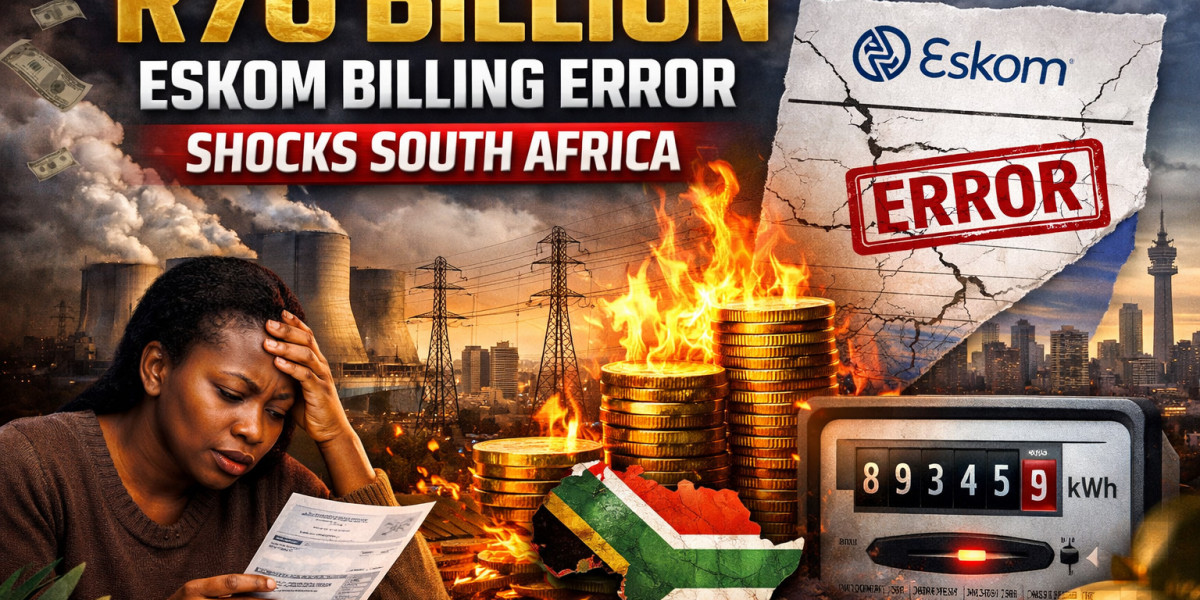

At the heart of the controversy is a miscalculation of Eskom’s allowable revenue qthe amount the utility is permitted to recover through electricity tariffs. According to preliminary assessments, the discrepancy could translate into tariff hikes of up to 9% over the 2026–2027 financial period. For millions of households and businesses already struggling with inflation, fuel costs, and unemployment, the news has landed as yet another blow.
The MYPD framework is designed to strike a balance: ensuring Eskom remains financially viable while protecting consumers from excessive price increases. However, critics argue that repeated errors and opaque calculations have undermined confidence in the system. Energy analysts warn that even a “technical mistake” of this scale reflects deeper structural problems in how electricity pricing is regulated in South Africa.
Eskom, burdened by debt exceeding R400 billion, has long relied on tariff increases to cover operational costs, maintain ageing infrastructure, and service loans. While government bailouts have provided temporary relief, consumers have effectively carried much of the burden through higher electricity bills. The R76 billion error raises uncomfortable questions about whether South Africans are being asked to pay for inefficiencies and governance failures beyond their control.
Civil society organisations and business groups have called for urgent transparency from both Eskom and Nersa. Many are demanding a full, independent audit of the MYPD6 process to determine how such a large discrepancy went unnoticed. “If regulators cannot accurately calculate revenue requirements, public trust collapses,” said one energy policy expert. “People begin to see tariff hikes not as economic necessities, but as systemic failures.”
For low-income households, the implications are particularly severe. Electricity is not a luxury it is essential for cooking, heating, education, and safety. Rising tariffs often force families to reduce usage or revert to unsafe energy sources such as paraffin or wood, increasing the risk of fires and health problems. Small businesses, especially in townships and rural areas, face shrinking margins as energy costs eat into already thin profits.
The controversy also arrives at a politically sensitive moment. Energy reform is a central pillar of South Africa’s broader economic recovery strategy, with promises of unbundling Eskom, expanding renewable energy, and stabilising the grid. Load shedding has eased in recent months, offering cautious optimism, but tariff instability threatens to undo gains by placing new pressure on consumers and investors alike.
Opposition parties have seized on the issue, accusing the government of failing to protect citizens from escalating costs. Calls for parliamentary oversight hearings are growing louder, with lawmakers demanding explanations from Nersa officials and Eskom executives. Some have even suggested freezing tariff increases until the error is fully resolved and accountability established.
Nersa, for its part, has acknowledged the discrepancy and indicated that corrective measures are under review. The regulator insists that public participation processes remain open and that final tariff decisions will consider affordability. However, past experiences have left many South Africans sceptical, as consultations often feel procedural rather than genuinely influential.
Beyond the immediate financial impact, the billing error highlights a broader crisis of governance within South Africa’s energy sector. Accurate data, competent regulation, and clear communication are essential to restoring confidence. Without them, every tariff announcement becomes a flashpoint for public outrage and social tension.
As South Africa navigates the complex transition toward a more stable and sustainable energy future, the Eskom tariff saga serves as a stark reminder that technical errors can carry profound human consequences. Ensuring fairness, transparency, and accountability is not just a regulatory obligation it is a social imperative that affects every household and business connected to the grid.
For readers seeking clear, timely, and accountable reporting on this developing story and its wider implications for the continent, stay informed with Africa Pulse Media