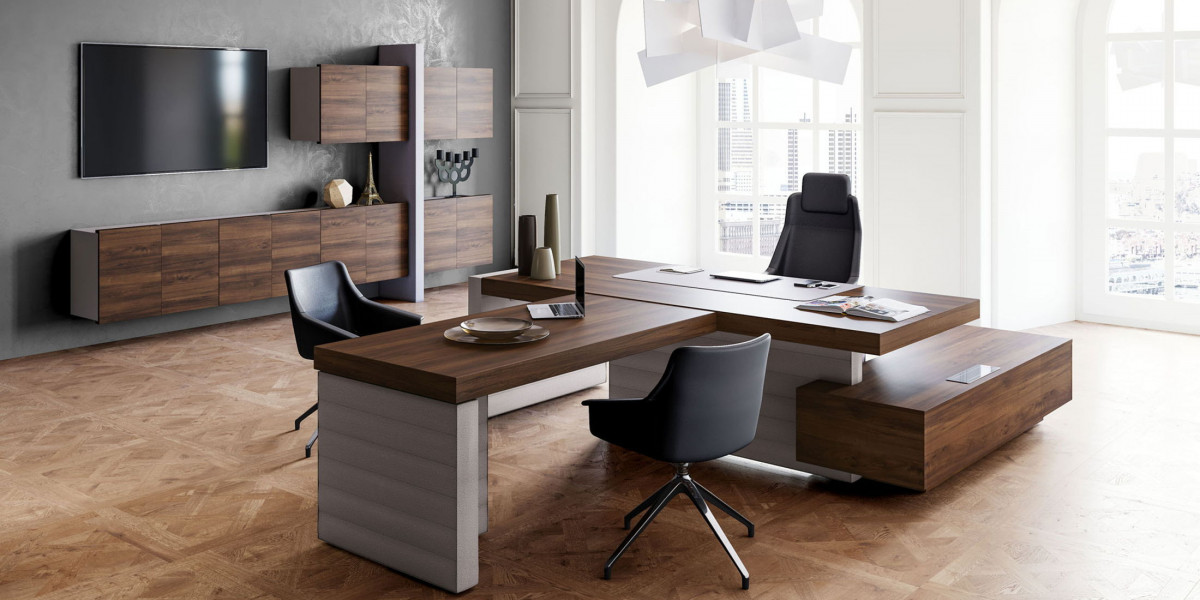

In today’s fast-paced digital world, the term workstation has evolved far beyond its traditional meaning. No longer simply a desk or a powerful computer, a modern workstation embodies a holistic environment designed to maximize efficiency, creativity, and comfort. Whether in a corporate office, a home setup, or a creative studio, the workstation is now the heart of productivity. Understanding its impact and potential can transform how we work, innovate, and even think.
The Evolution of the Workstation
Historically, workstations were synonymous with high-end computers used for specialized tasks like engineering, graphic design, or scientific simulations. They offered superior processing power, enhanced graphics capabilities, and reliability that standard computers couldn’t match. Over time, however, the concept of a workstation has expanded.
Today, a workstation is as much about ergonomics, workflow, and software integration as it is about hardware. It’s a fusion of technology, environment, and user experience, tailored to support both performance and well-being. From adjustable desks and advanced monitors to noise-cancelling headphones and organizational software, the modern workstation is designed for the way we actually work—focused, collaborative, and dynamic.
Key Components of an Effective Workstation
Creating a truly productive workstation requires more than just buying the latest equipment. It’s about designing a space that supports your mental and physical workflow. Let’s explore the essential components:
1. Hardware That Delivers
The backbone of any workstation is its hardware. For professionals in design, development, or data analysis, high-performance computers with powerful CPUs, ample RAM, and advanced GPUs are non-negotiable. However, even in more general office roles, fast and reliable devices enhance productivity, reduce frustration, and minimize downtime.
2. Ergonomics for Health and Comfort
A workstation isn’t effective if it compromises your health. Ergonomic chairs, adjustable desks, and monitor stands prevent posture-related issues, reduce strain, and increase focus. Investing in ergonomics might seem secondary to technology, but it directly influences long-term productivity.
3. Software and Workflow Tools
A workstation is incomplete without software that streamlines tasks. Collaboration platforms, project management tools, and automation software reduce repetitive work and keep teams aligned. Integration between hardware and software ensures seamless performance, preventing workflow interruptions that can derail even the most motivated professional.
4. Environment and Ambience
Lighting, sound, and organization play a critical role in workstation effectiveness. Natural light enhances mood and focus, while organized spaces reduce cognitive overload. Some users even incorporate plants or personalized décor to create an environment that fosters creativity.
Why the Modern Workstation Matters
The significance of the modern workstation goes beyond comfort and efficiency—it shapes how we work and innovate. Here’s why it matters:
1. Boosting Productivity
A well-designed workstation minimizes distractions and allows professionals to engage deeply with their work. Studies show that even small improvements in workstation setup can result in significant gains in output and quality of work.
2. Encouraging Creativity
Creativity thrives in environments that combine functionality with inspiration. Workstations that support multitasking, easy access to resources, and collaborative tools enable professionals to experiment, iterate, and innovate more effectively.
3. Supporting Mental and Physical Well-being
The demands of modern work can lead to stress, fatigue, and physical ailments. By prioritizing ergonomics and a well-structured workflow, workstations help mitigate these risks, allowing employees to sustain high performance over longer periods.
4. Enabling Remote and Hybrid Work
With the rise of remote and hybrid work models, the workstation has become portable and flexible. Professionals can replicate office-level productivity at home or on the go, maintaining efficiency while adapting to new work environments.
Future Trends in Workstations
The workstation of tomorrow promises to be even more dynamic and adaptive. Here are some trends shaping the future:
1. AI-Integrated Workstations
Artificial intelligence is beginning to influence workstation design by optimizing workflow, predicting user needs, and automating repetitive tasks. From intelligent scheduling to adaptive interfaces, AI will make workstations more personalized and efficient than ever before.
2. Virtual and Augmented Workspaces
With virtual reality (VR) and augmented reality (AR) technologies, physical limitations are fading. Workstations may soon extend into virtual environments, offering immersive collaboration and access to data in ways that traditional setups cannot.
3. Sustainable and Eco-Friendly Designs
As awareness of environmental impact grows, workstation design is leaning toward sustainability. Energy-efficient hardware, recycled materials, and modular designs that reduce e-waste are becoming standard considerations.
4. Health-Centric Enhancements
Future workstations may include integrated health monitoring, smart lighting that adapts to circadian rhythms, and tools that encourage movement and mindfulness, merging productivity with wellness.
Designing Your Ideal Workstation
Creating a workstation that works for you requires thoughtful planning:
Assess your needs: Identify the tools, software, and environment that support your specific tasks.
Prioritize ergonomics: Invest in adjustable desks, chairs, and monitor setups that reduce strain.
Streamline your workflow: Use software and organizational systems that eliminate bottlenecks.
Customize your environment: Incorporate elements that boost focus, creativity, and comfort.
Stay adaptable: Continuously evaluate and adjust your workstation as your work and technology evolve.
Conclusion: The Workstation as a Gateway to the Future of Work
The modern workstation is more than a desk or a computer—it is a carefully curated ecosystem designed to empower professionals to achieve their best work. By combining high-performance technology, ergonomic design, and workflow efficiency, workstations serve as the bridge between human potential and technological capability.
As AI, VR, and other emerging technologies continue to reshape work, the workstation will remain central to productivity, creativity, and well-being. It invites us to rethink not just how we work, but how work itself can evolve. The workstation is no longer a static space—it is a dynamic tool that, when thoughtfully designed, can unlock a new era of human innovation.
Imagine a future where every workstation adapts intuitively to your needs, seamlessly integrates with global networks, and promotes both efficiency and health. That future isn’t far off—it starts with how we understand and design the workstations of today.