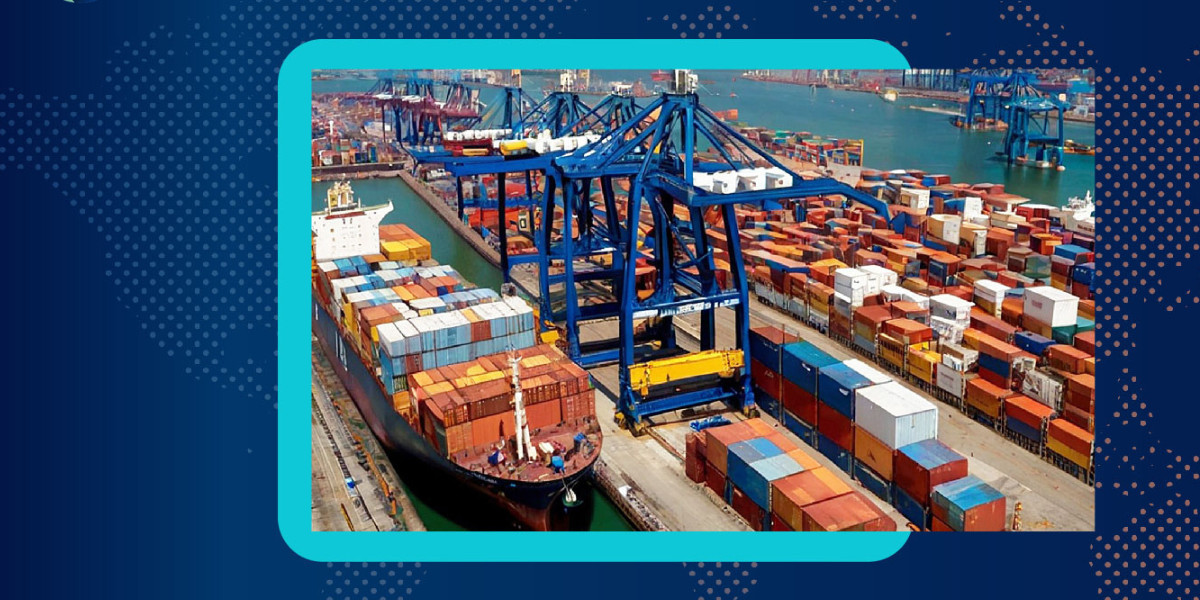

The aviation industry runs on precision. From aircraft engines and avionics to consumables like seals and fasteners, every component must arrive on time, fully compliant, and ready for use. In this environment, import/export strategies for aviation maintenance are not just a logistics function—they are a critical part of operational safety, cost control, and regulatory compliance. Know More
As global fleets expand and maintenance, repair, and overhaul (MRO) activities become more international, companies must rethink how they move aviation parts across borders. Drawing on real-world logistics experience, this guide breaks down complex trade concepts into clear,
https://oneunionsolutions.com/data-center-service/
Aviation Industry Outlook 2025: Trends and Innovations Shaping Trade
According to global aviation forecasts, air traffic is expected to surpass pre-pandemic levels by 2025, driving strong demand for MRO services. Airlines are extending aircraft lifecycles, while lessors and operators focus on cost efficiency and faster turnaround times.
Key aviation industry outlook 2025 trends and innovations impacting import/export include:
Increased cross-border sourcing of aircraft parts
Growth of third-party MRO hubs in Asia, the Middle East, and the Caribbean
Rising regulatory scrutiny on traceability and compliance
Greater reliance on time-critical logistics and bonded warehousing
These trends make a well-planned import/export strategy essential—not optional.
Understanding Import/Export Strategies for Aviation Maintenance
At its core, aviation maintenance logistics involves moving high-value, safety-critical parts under strict timelines. An effective strategy focuses on three pillars:
Speed – minimizing aircraft-on-ground (AOG) time
Compliance – meeting customs, aviation authority, and trade regulations
Cost Control – managing duties, taxes, and storage efficiently
Companies like One Union Solutions help aviation clients align these pillars by integrating customs expertise, global trade knowledge, and specialized warehousing services.
The Role of HTS Harmonized Tariff System in Aviation Trade
The HTS Harmonized Tariff System determines how aircraft parts are classified for customs. A small classification error can result in:
Overpayment of duties
Shipment delays
Customs audits or penalties
For example, an avionics component misclassified under a general electronics code may attract higher duties than its correct aviation-specific HTS code. Expert classification ensures accuracy, compliance, and predictable landed costs—especially important for recurring MRO imports.
DAP, DDP & DAT in Shipping: Choosing the Right Incoterm
Understanding DAP, DDP & DAT in shipping is critical when importing or exporting aviation parts.
DAP (Delivered at Place): Seller delivers goods to a destination; buyer handles import duties and taxes.
DDP (Delivered Duty Paid): Seller takes full responsibility, including customs clearance and duties—ideal for urgent aviation shipments.
DAT (Delivered at Terminal): Goods are delivered to a terminal, such as an airport cargo facility.
For aviation maintenance, DDP services are often preferred because they eliminate surprises. In niche markets, such as DDP services in Saint Lucia, having a knowledgeable partner ensures smooth customs clearance in smaller or highly regulated jurisdictions. Know More
Importer of Record (IOR) Numbers: Why They Matter
The Importer of Record (IOR) is the legal entity responsible for customs compliance. Understanding IOR meaning in shipping is vital for aviation companies operating globally.
Without valid Importer of Record (IOR) numbers, shipments may be held, rejected, or fined. Many aviation operators rely on third-party IOR services to:
Import parts into countries where they lack a legal entity
Ensure compliance with local customs and tax laws
Reduce administrative and regulatory risk
This approach is especially useful for temporary imports, AOG situations, or multi-country MRO operations.
Shipping Company vs Freight Forwarder: What Works Best for Aviation?
A common question in aviation logistics is shipping company vs freight forwarder—who should handle your cargo?
Shipping companies focus on transportation only
Freight forwarders manage the entire logistics chain, including customs, documentation, and compliance
For aviation maintenance, freight forwarders with industry expertise offer a clear advantage. They coordinate with customs authorities, manage HTS classifications, arrange bonded warehousing services, and align shipments with tight maintenance schedules.
https://oneunionsolutions.com/locations
Advantages and Challenges of Aviation Import/Export
Advantages
Faster MRO turnaround with optimized logistics
Reduced compliance risk through expert handling
Better cost forecasting using correct Incoterms and HTS codes
Challenges
Complex regulatory environments across countries
High penalties for non-compliance
Time pressure during AOG scenarios
Successful aviation companies address these challenges by partnering with specialists like One Union Solutions, who understand both global trade and aviation-specific requirements.
https://oneunionsolutions.com/warehousing-locations/
How One Union Solutions Supports Aviation Maintenance Trade
One Union Solutions brings hands-on experience in aviation logistics, offering:
End-to-end import/export strategies for aviation maintenance
IOR services with compliant Importer of Record numbers
Expertise in DAP, DDP & DAT in shipping
Accurate HTS classification under the Harmonized Tariff System
Secure, aviation-ready warehousing services
This integrated approach ensures that aircraft parts move seamlessly—from supplier to hangar—without unnecessary delays or compliance risks.
Conclusion: Building Resilient Aviation Import/Export Strategies
As the aviation industry accelerates toward 2025, maintenance operations will only become more global and complex. Strong import/export strategies for aviation maintenance are no longer about moving goods—they are about protecting uptime, safety, and profitability.
By understanding trade frameworks, choosing the right Incoterms, managing IOR responsibilities, and working with experienced partners like One Union Solutions, aviation businesses can turn logistics into a strategic advantage.
https://oneunionsolutions.com/blog/how-countries-use-licensing-delays-as-trade-barriers/