Food used to be simple. You ate what was around you. Then it got loud. Labels everywhere. Buzzwords slapped on plastic packaging. Somewhere in the noise, actual food started to feel like a side character. That’s where farm-to-table foods quietly held their ground. No shouting. No neon branding. Just real ingredients doing what they’ve always done.
I didn’t always care about this stuff. I ate whatever was fast, salty, and nearby. But after one too many meals that tasted like nothing, I started noticing where food came from. Or didn’t come from. That’s when farm-to-table stopped sounding trendy and started sounding necessary.
What Farm-to-Table Foods Really Mean (No Fluff)?
Let’s clear this up. Farm-to-table foods aren’t about fancy menus or overpriced plates. It’s about shortening the distance between the farm and your mouth. Less time in trucks. Fewer middlemen. Less mystery.
When meat comes from a farm you can name, it tastes different. Not dramatic. Just honest. Vegetables hold their shape. Flavors feel grounded. There’s a sense that someone cared before it landed on your plate. That’s the whole thing.
The Flavor Difference Is Real, Even If People Argue About It
Some folks say they can’t taste the difference. Maybe they can’t. Or maybe they’re used to food being flat. When you eat farm-to-table foods regularly, your palate changes. You start noticing things. Texture. Fat quality. Salt balance.
Take cured meats. A good gourmet salami doesn’t punch you in the face with seasoning. It unfolds slowly. You taste the meat first. Then the spice. Then the fat melts and everything clicks. That kind of balance doesn’t come from factories rushing batches out the door.
Why Gourmet Salami Fits the Farm-to-Table Conversation?
Salami has been around forever. It was born out of necessity, not luxury. Preserve the meat. Use every cut. Respect the animal. That’s farm-to-table thinking before it had a name.
Modern gourmet salami, when done right, sticks to that old mindset. Quality pork or beef. Clean spices. Time. Real fermentation. No shortcuts. No weird fillers. When farms raise animals responsibly and producers honor that work, the result is obvious.
You don’t need a wine pairing guide to enjoy it. Just a knife, maybe some bread, and a minute to slow down.
Convenience Killed Patience, But It’s Coming Back
We trained ourselves to expect food instantly. Microwave culture. Two-minute meals. That speed came with a cost. Farm-to-table foods ask for patience again. They don’t apologize for it.
Cured meats take time. So does raising animals well. So does flavor development. When you bite into a thoughtfully made gourmet salami, you’re tasting months, sometimes years, of work. That’s not romantic language. It’s just true.
Supporting Farms Isn’t Charity, It’s Survival
This isn’t about guilt-buying or trying to feel virtuous. Supporting farm-to-table systems keeps skilled farmers in business. It keeps land productive. It keeps food knowledge alive.
When small farms disappear, we lose options. We lose resilience. Everything gets centralized. And when things break, they break hard. Buying farm-to-table foods is a practical decision, not a moral performance.
Real Food Feels Better, Even After You Eat It
There’s also the part nobody loves to talk about. How food makes you feel afterward. Not emotionally. Physically. Ultra-processed food hits fast and crashes faster. Farm-based foods digest slower. They sit better.
A plate with real meat, real fat, real seasoning doesn’t leave you hunting snacks an hour later. A few slices of gourmet salami can actually satisfy. That’s something modern diets forgot.
Not All “Farm-to-Table” Is Legit, So Pay Attention
Here’s the blunt part. The term gets abused. A lot. Just because a brand uses rustic fonts doesn’t mean they care about farms. Look deeper. Who raises the animals. Where it’s made. How transparent they are.
True farm-to-table foods don’t hide behind vague language. They’re proud of the process. The good and the imperfect parts.
Slowing Down Changes How You Eat
When food is made with intention, you eat it differently. You chew more. You taste more. You waste less. It sounds small, but it shifts your whole relationship with meals.
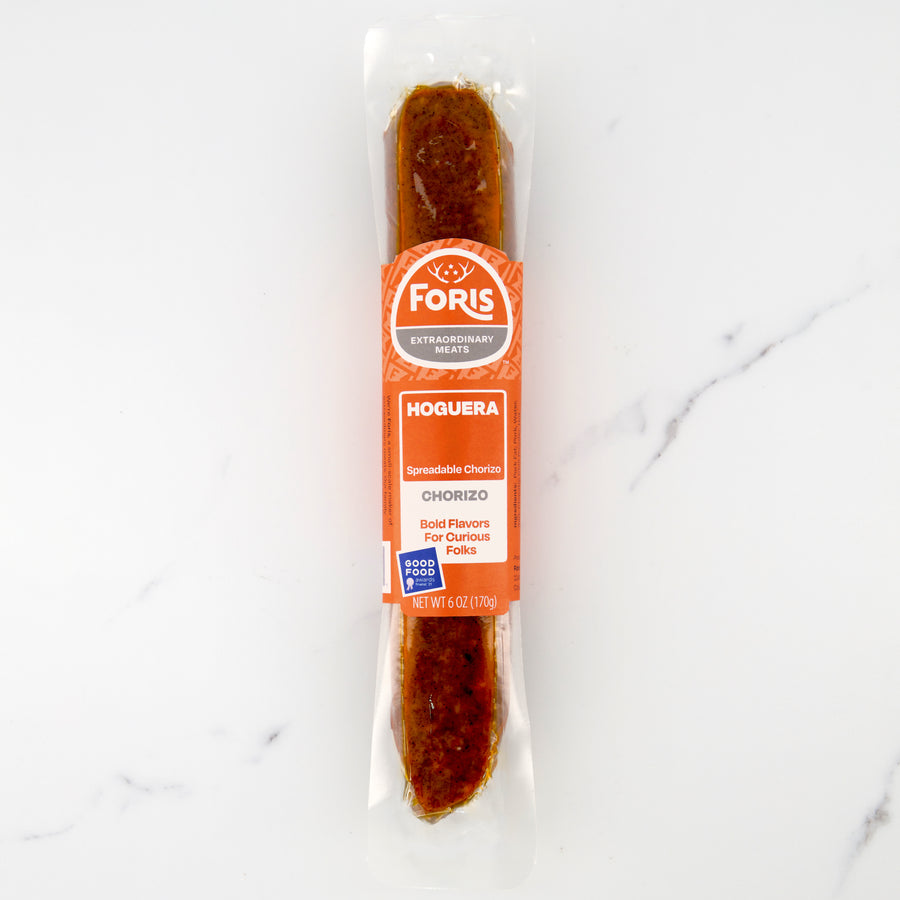
That’s especially true with something like gourmet salami. You don’t inhale it. You slice it thin. You share it. It turns eating into a moment instead of a task.
Why This Matters Right Now?
We’re at a weird point with food. People want better quality but don’t want to think about it too much. Farm-to-table foods bridge that gap. They don’t demand perfection. They just ask for awareness.
And once you start paying attention, it’s hard to go back.
Frequently Asked Questions
What makes farm-to-table foods different from organic foods?
Organic focuses on how ingredients are grown. Farm-to-table focuses on the relationship between producers and consumers. Something can be organic and still travel thousands of miles. Farm-to-table foods are about proximity, transparency, and connection.
Is gourmet salami healthier than regular salami?
Health depends on ingredients and portion size. Gourmet salami made with quality meat and minimal additives is generally cleaner than mass-produced versions. It’s still cured meat, so balance matters, but the ingredient list tells the real story.
Why does farm-to-table food usually cost more?
Because corners aren’t cut. Farmers are paid fairly. Animals are raised slower. Production is smaller. You’re paying for labor, time, and quality instead of marketing and volume.
How can I tell if a brand truly supports farm-to-table practices?
Look for specifics. Named farms. Clear sourcing. Honest descriptions. If everything sounds vague or overly polished, that’s usually a red flag.