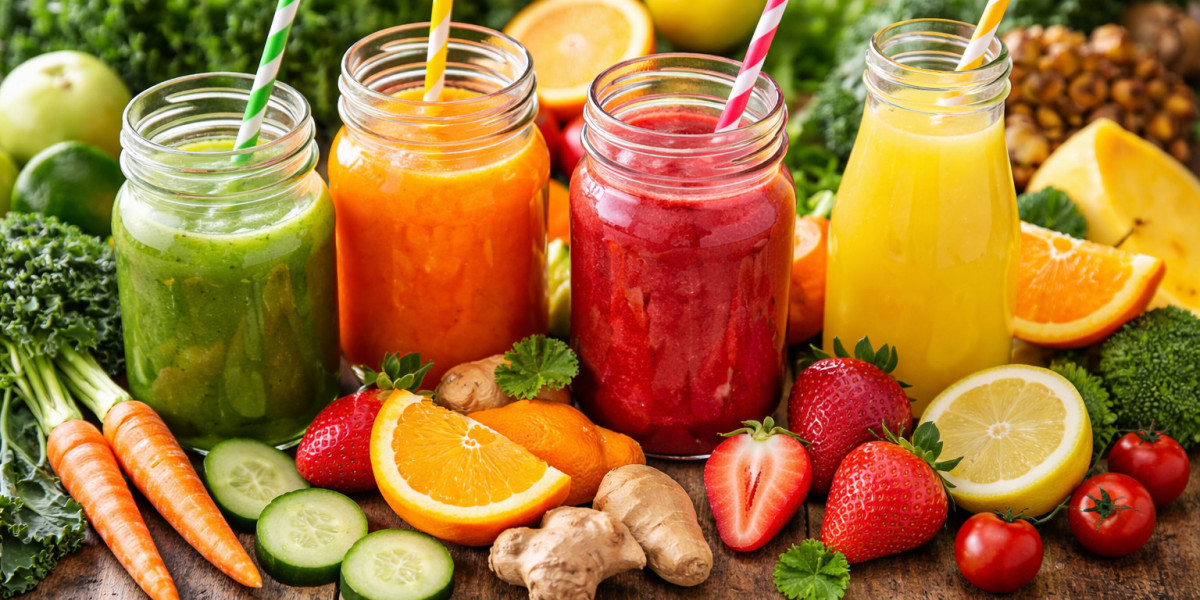

In today’s fast-paced world, many people struggle to maintain a balanced diet. Busy schedules, processed foods, and lack of time often stand in the way of proper nutrition. This is where fresh juices step in as a practical and nourishing option. When made correctly, juices can provide essential vitamins, minerals, and antioxidants in an easy-to-consume form that supports overall well-being.
Juicing is not a trend; it is a habit that has been practiced across cultures for generations. From fresh citrus blends to green vegetable combinations, juices have long been valued for their ability to refresh the body and deliver nutrients efficiently. Understanding how juices work, what ingredients to choose, and how to consume them wisely can help you make better decisions for your health.
What Makes Fresh Juice So Beneficial?
Fresh juice is created by extracting liquid from fruits and vegetables, leaving behind most of the fiber. This allows the body to absorb nutrients quickly without heavy digestion. When you drink freshly prepared juice, your body receives a concentrated dose of vitamins and plant compounds in a form that is easy to process.
One major advantage of drinking juice is hydration. Many fruits and vegetables contain a high water content, which helps maintain fluid balance in the body. Proper hydration supports digestion, circulation, temperature regulation, and even mental clarity.
Another benefit is nutrient density. A single glass of juice can contain nutrients from multiple fruits or vegetables, which might be difficult to consume whole in one sitting. This makes juice especially useful for people who struggle to eat enough produce daily.
Fruits vs Vegetables: Finding the Right Balance
Both fruits and vegetables play important roles in juicing, but they serve different purposes.
Fruits naturally contain sugars and provide quick energy. They are rich in vitamin C, potassium, and antioxidants that help protect cells from damage. Apples, oranges, berries, and pineapples are commonly used to enhance flavor and sweetness.
Vegetables, on the other hand, are lower in sugar and higher in minerals like magnesium and iron. Leafy greens, cucumbers, celery, and carrots add depth and nutritional balance. Vegetable-based juices are often preferred by people who want to manage blood sugar levels.
The best approach is balance. Combining fruits and vegetables allows you to enjoy great taste while keeping sugar levels in check. This combination also supports sustained energy instead of sudden spikes.
How Healthy Juices Support Overall Wellness
When included as part of a balanced lifestyle, healthy juices can support several aspects of physical health. Vitamins such as A, C, and K help strengthen the immune system and promote skin health. Minerals like potassium and magnesium contribute to muscle function and heart health.
Antioxidants found in colorful fruits and vegetables help fight oxidative stress, which is linked to aging and chronic conditions. Drinking juice regularly can help replenish these protective compounds.
Juices may also support digestion when made with ingredients like ginger, lemon, or mint. These natural elements can help soothe the digestive system and promote a feeling of lightness, especially when consumed in the morning.
It is important to note that juice should complement, not replace, whole foods. Fiber is essential for digestive health, so eating whole fruits and vegetables alongside juices ensures nutritional balance.
Best Time to Drink Juice
Timing plays an important role in how your body responds to juice. Many people prefer drinking juice in the morning, as it allows nutrients to be absorbed efficiently on an empty stomach. This can help kick-start metabolism and provide a natural energy boost.
Juice can also be enjoyed between meals as a refreshing snack. This prevents overeating while still supplying essential nutrients. Drinking juice late at night is generally not recommended, especially fruit-heavy blends, as natural sugars may interfere with sleep.
Listening to your body is key. Everyone reacts differently, so finding the time that feels best for you will maximize the benefits.
Common Mistakes to Avoid When Juicing
While juicing can be beneficial, certain mistakes can reduce its value. One common error is relying too heavily on fruit. Excessive fruit juice consumption may lead to high sugar intake, which can counteract health goals.
Another mistake is using store-bought juices that contain added sugars or preservatives. These products often lack the freshness and nutritional value of homemade juice.
Over-consumption is also an issue. Drinking large amounts of juice while neglecting whole foods can lead to nutrient imbalance. Moderation and variety are essential.
Choosing the Right Ingredients
Quality ingredients make a significant difference. Fresh, ripe fruits and vegetables provide the highest nutrient levels. Washing produce thoroughly is important to remove dirt and residues.
Seasonal ingredients are often more flavorful and nutritious. They are also more affordable and environmentally friendly. Including herbs and spices such as turmeric or parsley can add both flavor and health benefits.
Rotating ingredients helps ensure you receive a wide range of nutrients and prevents dietary monotony.
Juicing for Different Lifestyles
Juicing can be adapted to various lifestyles and goals. Athletes may prefer juices rich in electrolytes and carbohydrates to support performance and recovery. Office workers may benefit from green vegetable blends that promote focus and energy without sugar crashes.
For individuals aiming to improve digestion or detoxify gently, vegetable-based juices with mild fruits can be a good option. The key is customization based on personal needs.
This flexibility is one reason healthy juices continue to gain popularity among people of all ages.
Are Juices Safe for Everyone?
Most people can safely enjoy fresh juice, but certain individuals should be cautious. People with diabetes or blood sugar concerns should monitor fruit intake and focus more on vegetables.
Those with digestive sensitivities may need to avoid certain ingredients that cause discomfort. Consulting a healthcare professional is recommended if you have specific health conditions.
Balance, awareness, and moderation ensure that juice remains a supportive part of a healthy diet.
Final Thoughts
Incorporating juice into your daily routine can be a simple yet powerful way to support your health. When prepared thoughtfully and consumed in moderation, healthy juices provide hydration, essential nutrients, and natural energy without complexity. They are not a replacement for whole foods but a valuable addition to a balanced lifestyle.