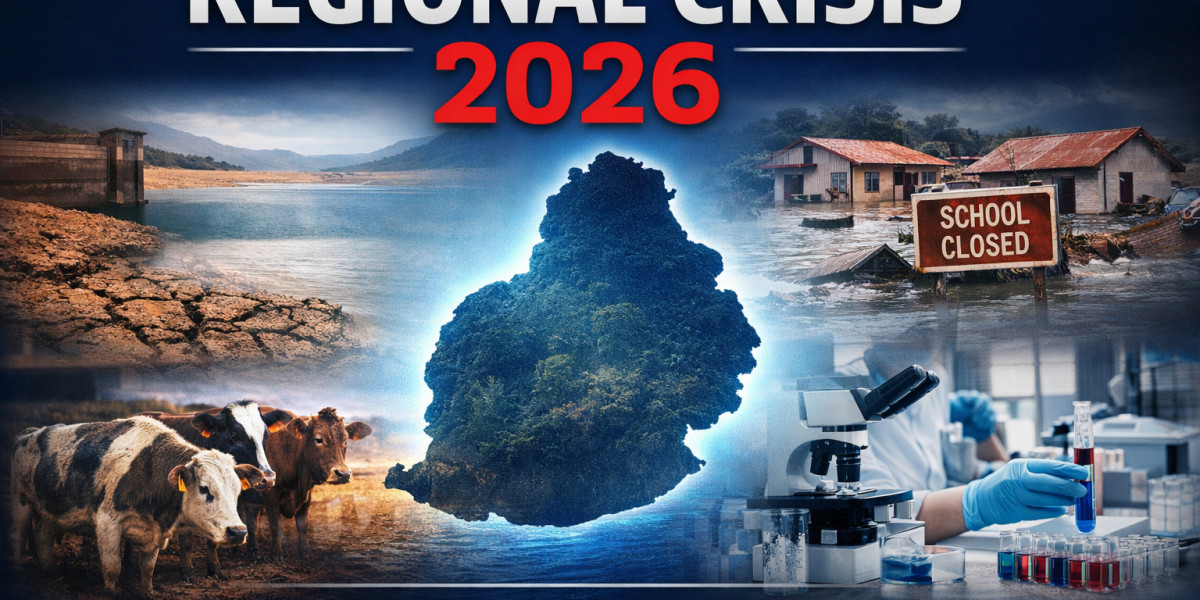

Severely reduced dam levels in parts of the region have revived fears of a potential “Day Zero” scenario, where municipal water systems risk running dry. Extended dry seasons, rising temperatures, and uneven rainfall patterns have intensified pressure on already fragile water infrastructure. For Mauritius, which relies heavily on predictable climate cycles and water-intensive sectors such as tourism and agriculture, these developments serve as a critical warning. Regional water stress can disrupt food imports, energy production, and industrial supply chains that Mauritius depends on.
Industrial Unrest Disrupts Strategic Mineral Supply
Labor unrest in key mining corridors has begun to affect platinum output, sending shockwaves through global commodity markets. Platinum is not only vital for automotive and clean-energy technologies but also a cornerstone of regional export revenues. Disruptions in production threaten employment, local economies, and foreign exchange earnings across the region. For Mauritius, a financial and logistics hub, instability in mineral supply chains can influence shipping volumes, investment flows, and insurance costs linked to regional trade.
Livestock Disease Outbreak Deepens Food Security Risks
A fast-spreading Foot-and-Mouth Disease (FMD) outbreak has intensified the livestock crisis across multiple agricultural zones. Authorities have imposed animal movement restrictions and emergency containment measures to prevent cross-border transmission. While necessary, these steps have constrained meat supply, driven up prices, and placed severe strain on small-scale farmers. Mauritius, which imports a significant portion of its food requirements, faces indirect exposure through rising import costs and supply volatility, highlighting the importance of diversified sourcing and stronger regional biosecurity frameworks.
Flooding Forces School Closures and Displacement
In contrast to drought-hit areas, intense rainfall has caused destructive flooding elsewhere, washing away homes and damaging schools and public facilities. Thousands of families have been displaced, with classrooms converted into emergency shelters. School closures risk long-term educational disruption, particularly for vulnerable children. Climate extremes droughts and floods occurring within the same region underscore the growing unpredictability of weather patterns. For Mauritius, these events reinforce the urgency of climate-resilient infrastructure and disaster preparedness, especially for coastal and low-lying communities.
Public Health Breakthrough in TB Detection
Amid these overlapping crises, a major public health advancement has emerged with the rollout of next-generation tuberculosis detection systems under a new regional health strategy for 2026. The adoption of rapid molecular diagnostics, mobile testing units, and AI-assisted screening promises earlier detection and faster treatment initiation. Tuberculosis remains a leading infectious disease challenge across Africa, closely linked to urban density, poverty, and migration. Improved detection reduces transmission risk and long-term healthcare costs an outcome that benefits regional mobility and public health security, including for Mauritius.
Why These Developments Matter to Mauritius
Although these events are unfolding beyond Mauritius’s borders, their consequences are deeply interconnected with the island’s economic and strategic interests. Disruptions to food production affect import prices; mining instability influences regional trade and investment sentiment; climate shocks increase pressure on shared humanitarian and insurance systems; and public health threats do not respect borders. Mauritius’s position as a financial services center, transport hub, and diplomatic bridge between Africa and global markets means regional instability can quickly translate into domestic economic risk.
The Case for Integrated Regional Responses
These crises highlight the limitations of isolated, short-term responses. Water scarcity, labor disputes, disease outbreaks, and climate disasters are interconnected challenges that demand coordinated solutions. Regional cooperation on water management, climate adaptation financing, agricultural disease surveillance, and health data sharing is no longer optional it is essential. Mauritius can play a constructive role by leveraging its institutional capacity, policy expertise, and international partnerships to support collaborative frameworks that enhance regional resilience.
Strategic Outlook for 2026
The year ahead will test governance systems, emergency response capabilities, and policy coherence across the region. Transparent communication, evidence-based decision-making, and inclusive stakeholder engagement will be critical to maintaining public trust and social stability. For Mauritius, proactive engagement rather than reactive adjustment will be key to safeguarding economic stability and reinforcing its reputation as a resilient, forward-looking island state.
As these multi-layered challenges continue to evolve, Insight Mauritius News remains committed to delivering authoritative, data-driven analysis that connects regional developments to Mauritius’s national interests, ensuring readers are informed, prepared, and strategically aware in an increasingly uncertain regional environment.