
The question: Are kilts comfortable? ranks among the most common inquiries from people considering this distinctive garment for the first time. Understandably, kilts represent a departure from conventional trouser-wearing, and comfort concerns naturally arise when contemplating unfamiliar clothing. The straightforward answer is yes, kilts can be exceptionally comfortable when properly fitted and constructed from quality materials. However, understanding what contributes to that comfort requires examining fit, fabric, construction, and intended use.
The Comfort Advantage Over Traditional Trousers
Kilts offer several inherent comfort advantages compared to pants or jeans, primarily stemming from their fundamental design. Unlike trousers that constrict the legs and create pressure points at the waist, crotch, and thighs, kilts allow unrestricted leg movement and natural airflow. This freedom of movement becomes particularly noticeable during extended wear periods or physical activity.
The absence of a restrictive waistband represents another significant comfort factor. Traditional kilts secure around the natural waist rather than the hips, distributing weight more evenly across a broader area. This design eliminates the belt-line pressure that causes discomfort after sitting for extended periods or following meals, a complaint commonly associated with conventional trousers.
Temperature regulation constitutes perhaps the most immediately noticeable comfort benefit. The open lower portion allows air circulation that prevents the heat buildup and moisture accumulation typical of enclosed trouser legs. This ventilation advantage makes kilts particularly comfortable in warm weather, though proper fabric selection ensures year-round wearability.
Understanding Proper Fit and Sizing
Comfort in any garment depends fundamentally on correct fit, and kilts are no exception. Unlike mass-produced jeans that follow standardized waist and inseam measurements, kilts require more nuanced sizing considerations. The garment should sit comfortably at the natural waist, typically an inch or two above the hip bones, without requiring excessive tightening of straps and buckles.
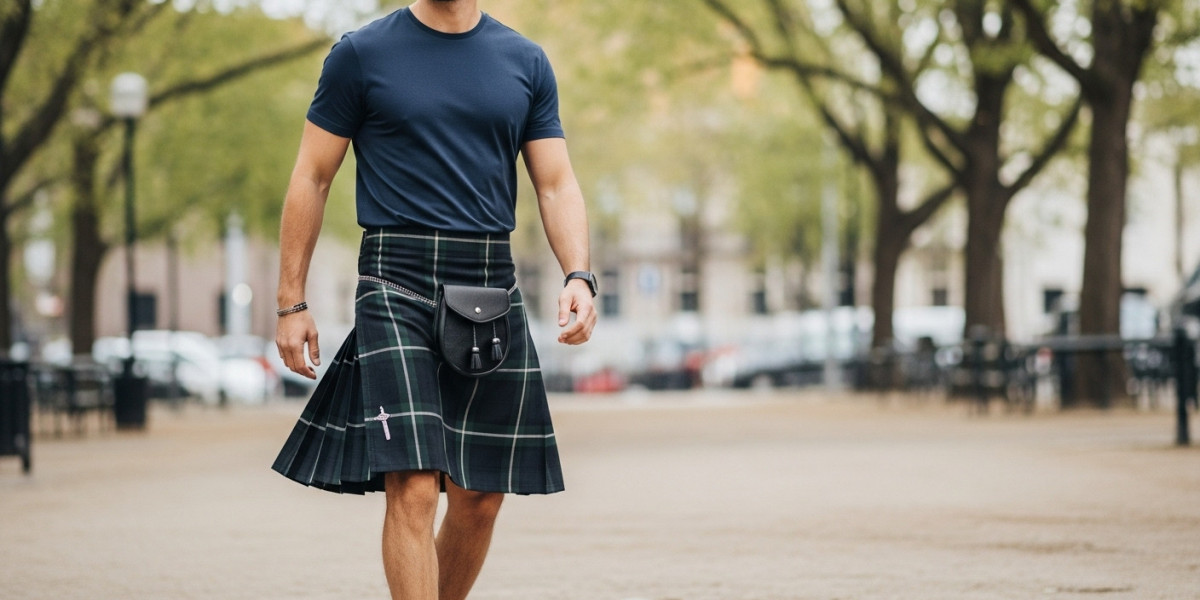
Length represents a critical fit component that directly impacts both appearance and comfort. Traditional measurements place the bottom edge at the middle of the kneecap when standing straight. Too short appears awkward and may ride up uncomfortably during movement. Too long creates excess fabric that bunches when sitting and can catch on objects while walking.
The pleats require sufficient fabric to allow natural draping without pulling or flattening. When properly fitted, pleats should hang vertically and swing freely during movement. Tight pleats indicate insufficient sizing, compromising both appearance and comfort. The apron of the flat front panels should overlap adequately without gaping or creating excess bulk.
Adjustability features built into quality kilts accommodate minor weight fluctuations and ensure optimal fit. Multiple buckle positions, adjustable straps, and well-designed fastening systems allow wearers to customize fit throughout the day as needed.
The Critical Role of Fabric Selection
Fabric choice influences kilt comfort more significantly than any other single factor. Traditional wool remains the classic option, valued for qualities that have proven themselves across centuries of Highland wear. Wool's natural temperature regulation properties keep wearers comfortable across varying conditions, warm in cold weather, surprisingly cool in summer heat due to breathability. Quality wool drapes beautifully, creating the movement and silhouette that define kilt aesthetics.
However, wool quality varies considerably. Heavy, scratchy wool causes discomfort, particularly for those with sensitive skin or those unaccustomed to wearing wool garments. Finer wool grades, particularly lighter-weight tartans designed for warm-weather wear, provide softness and comfort that rivals or exceeds modern synthetic alternatives.
Cotton represents an increasingly popular alternative, especially for casual wear and warmer climates. Cotton kilts offer excellent breathability, easy care requirements, and immediate comfort without the break-in period sometimes necessary with heavy wool. The natural fiber feels soft against the skin and tolerates frequent washing without deterioration.
Modern synthetic blends and performance fabrics have entered the kilt market, designed specifically for utility and casual applications. These materials prioritize durability, moisture-wicking properties, and low maintenance while maintaining the silhouette and movement essential to kilt comfort. Poly-cotton blends, canvas, and technical fabrics create options for active wear, outdoor activities, and daily use where traditional materials might prove impractical.
The fabric weight appropriate for comfort depends entirely on intended use and climate conditions. Lightweight fabrics suit summer wear and active use, while heavier weights provide warmth for winter months or formal occasions. Great kilts for men traditionally utilized substantial wool weight suitable for Highland weather conditions, but contemporary options span the full spectrum from ultra-light to heavy.
Seasonal Considerations: Year-Round Wearability
Contrary to common assumptions, kilts provide comfort across all seasons when appropriate fabrics are selected. Summer wear benefits from the kilt's inherent ventilation advantages. Lightweight wool, cotton, or breathable synthetic fabrics allow air circulation that keeps wearers notably cooler than enclosed trousers. The absence of fabric clinging to legs eliminates the sticky discomfort associated with hot-weather trouser-wearing.
Winter comfort requires heavier fabric weights and potentially layering strategies. Traditional heavy wool tartans provide substantial warmth, with the dense weave offering insulation comparable to wool trousers. Some wearers add base layers, thin athletic leggings, or compression shorts underneath for additional warmth without compromising the kilt's external appearance or movement.
Transitional seasons of spring and autumn prove ideal for kilt wearing, as medium-weight fabrics suit the variable temperatures characteristic of these periods. The adaptability of adjusting upper body layers, adding or removing jackets, vests, or sweaters while maintaining comfortable lower body temperature, creates practical versatility.
Freedom of Movement and Practical Comfort
The unrestricted movement kilts allow represents a primary comfort advantage frequently cited by regular wearers. Activities requiring leg mobility climbing stairs, squatting, kneeling, or athletic movement, occur more naturally without fabric constraining the legs and crotch area. This freedom becomes particularly noticeable during extended periods of varied activity.
Sitting comfort improves noticeably compared to trousers. The fabric arrangement prevents the bunching, pulling, and pressure points that develop when sitting in pants, particularly during long periods. The kilt simply drapes around the seated position without creating uncomfortable tension or restricting circulation.
Walking and stride mechanics feel different initially, but quickly become natural. The pleated rear section swings with movement, creating a distinctive motion that becomes comfortable and familiar. The weight of quality fabric contributes to this natural swing, helping the garment move correctly rather than fighting against the body.
Traditional Versus Modern Construction
Traditional kilt construction emphasizes specific techniques and features that contribute significantly to comfort. Hand-stitched pleating ensures even distribution and proper draping. Quality buckles, straps, and fastening hardware adjust smoothly and hold securely without pinching or creating pressure points. The substantial construction of traditional kilts, multiple yards of fabric carefully pleated and sewn, creates a garment that moves and drapes correctly.
Modern kilts often incorporate updated construction methods and design modifications aimed at enhancing comfort and practicality. Features like hidden pockets, lighter-weight construction, simplified fastening systems, and machine-washable fabrics address contemporary needs while maintaining the essential kilt aesthetic and comfort characteristics.
Hybrid designs blend traditional appearance with modern comfort features, elastic waistband sections for adjustability, moisture-wicking linings, integrated shorts for modesty and active wear, and performance fabrics engineered for specific applications. These innovations expand kilt comfort into contexts where traditional construction might prove less practical.
Addressing Common Comfort Misconceptions
Several persistent misconceptions about kilt comfort deserve clarification. The belief that kilts feel weird or uncomfortable stems primarily from unfamiliarity rather than inherent design issues. Most first-time wearers report that initial strangeness disappears within minutes as the body adapts to the different feel and freedom of movement.
Concerns about chafing or skin irritation typically result from poor fit or fabric quality rather than the kilt design itself. Properly fitted kilts made from quality materials don't cause these issues. Those with sensitive skin can select softer fabrics or wear appropriate base layers if desired.
The question of modesty frequently arises in comfort discussions. Traditional kilt-wearing customs and techniques ensure appropriate modesty without compromising comfort. The garment's weight, proper length, and natural draping behavior prevent unintended exposure during normal activities and movement.
Wind presents a practical consideration but rarely creates actual discomfort issues. Quality kilts have sufficient weight to resist casual breezes, and awareness of wind conditions allows simple adjustments when necessary, much like any skirt-style garment.
Who Benefits Most From Kilt Comfort
Certain individuals and situations particularly benefit from kilt comfort characteristics. Those with sensitivity to waistband pressure, whether from medical conditions, body shape, or personal preference, often find kilts significantly more comfortable than conventional trousers. The distribution of weight and absence of belt-line constriction eliminate common discomfort sources.
Active individuals appreciate the movement freedom kilts provide. Highland games participants, martial artists, dancers, and others engaged in activities requiring leg mobility discover advantages that restrictive trousers cannot match. The garment moves with the body rather than fighting against it.
People working in warm environments or climates benefit from the superior ventilation and temperature regulation. The cooling effect of airflow around the legs creates measurable comfort improvements over enclosed trouser legs, particularly during physical labor or extended outdoor exposure.
Those seeking alternatives to conventional menswear for aesthetic, cultural, or personal reasons discover that comfort need not be sacrificed for style. Quality kilts deliver both, challenging the assumption that distinctive appearance requires compromising practical wearability.
Practical Comfort Tips for Kilt Wearers
Maximizing kilt comfort involves several practical considerations. Selecting the correct size remains paramount; taking accurate measurements and consulting sizing guides prevents fit-related discomfort. When purchasing from a Premium Kilt Retailer, customers typically receive detailed fitting assistance, ensuring proper sizing from the start.
Break-in periods apply primarily to heavy wool kilts, which soften and conform to the wearer's body over time. Light initial wear periods, a few hours at a time, allow both garment and wearer to adapt gradually. Cotton and synthetic options require minimal or no break-in.
Proper care maintains comfort characteristics throughout the garment's lifespan. Following manufacturer guidelines for cleaning and storage preserves fabric qualities, prevents damage, and ensures continued comfortable wear.
Appropriate undergarments contribute to overall comfort. Traditional practice varies, but modern wearers often prefer athletic shorts, boxer briefs, or specialized undergarments designed specifically for kilt-wearing. The choice depends entirely on personal preference and intended activities.
Conclusion: Confidence Through Correct Choice
Kilt comfort ultimately depends on informed decisions about fit, fabric, and intended use. Quality construction, appropriate sizing, and suitable materials create garments that equal or exceed the comfort of conventional trousers while offering unique advantages in movement, temperature regulation, and practical wearability.
The question: Are kilts comfortable? receives a definitive affirmative answer when proper selections are made. Understanding the factors that contribute to comfort, from fabric weight to fit precision, empowers wearers to choose kilts that serve them well across diverse situations and climates.
Comfort and confidence stem from correct choices rather than compromise. The kilt-wearing experience should feel natural, unrestricted, and practical qualities that quality garments deliver consistently. Those approaching kilts with appropriate expectations and informed selection criteria discover a comfortable, distinctive alternative to conventional trousers that serves them well for years.