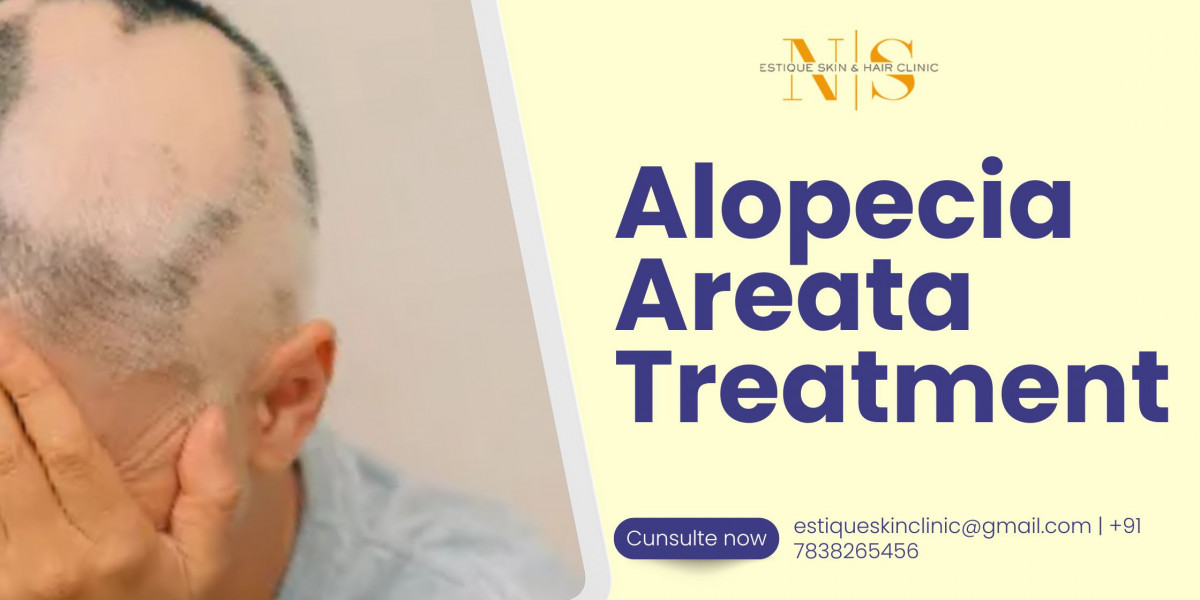

Finding a random smooth patch on your scalp or in your beard while grooming can be a jarring experience. For many men, the first instinct is to panic and assume it’s the start of typical male pattern baldness. However, if the hair loss looks like perfectly round, coin-sized "holes" rather than a receding hairline, you might be dealing with alopecia areata. Though it is an autoimmune condition, it can be managed. Let us discuss the early signs of alopecia areata and different options available for alopecia areata treatment in Gurgaon in this blog post.
Spotting the Early Signs
The "early signs" aren't always subtle, but they are very specific. Here is what most men notice first:
The Sudden Patch: You’ll likely find a smooth, round, or oval patch where hair used to be. It usually happens overnight or over a few days.
The "Exclamation Point" Hair: If you look closely at the edges of a patch, you might see short hairs that are thinner at the bottom than at the top. These are a classic sign that the condition is active.
Beard Gaps: For men, this often shows up in the facial hair first. You might notice a "bald spot" in your beard that makes shaving feel uneven.
Nail Changes: Strangely, your fingernails can give you a clue. Small pits or dents in the nails sometimes accompany the hair loss.
Why Is This Happening?
It is easy to blame a new shampoo or a hat you wear too often, but alopecia areata is internal. While genetics play a role, stress is frequently cited as a major trigger. High-pressure environments, whether at work or in your personal life, can "flip the switch" on your immune system.
Managing the Condition
The good news? The hair follicle is still alive; it’s just "asleep." H
ere’s how to approach management:
Consult a Dermatologist: Don't rely on "miracle oils" from the internet. An expert dermatologist can confirm the diagnosis and will recommend corticosteroid injections. These are small pinpricks directly into the patch that help "calm down" the immune response so hair can regrow.
Topical Treatments: Over-the-counter options like Minoxidil can sometimes help stimulate the follicle once the underlying inflammation is addressed.
Medications (Oral Treatment): If the hair loss is widespread, doctors might suggest pills that calm the immune system and prevent it from attacking your hair.
Are you dealing with alopecia areata? Consult Dr. Neha Sharma, the best dermatologist in Gurgaon at Estique Clinic to get alopecia areata treatment.