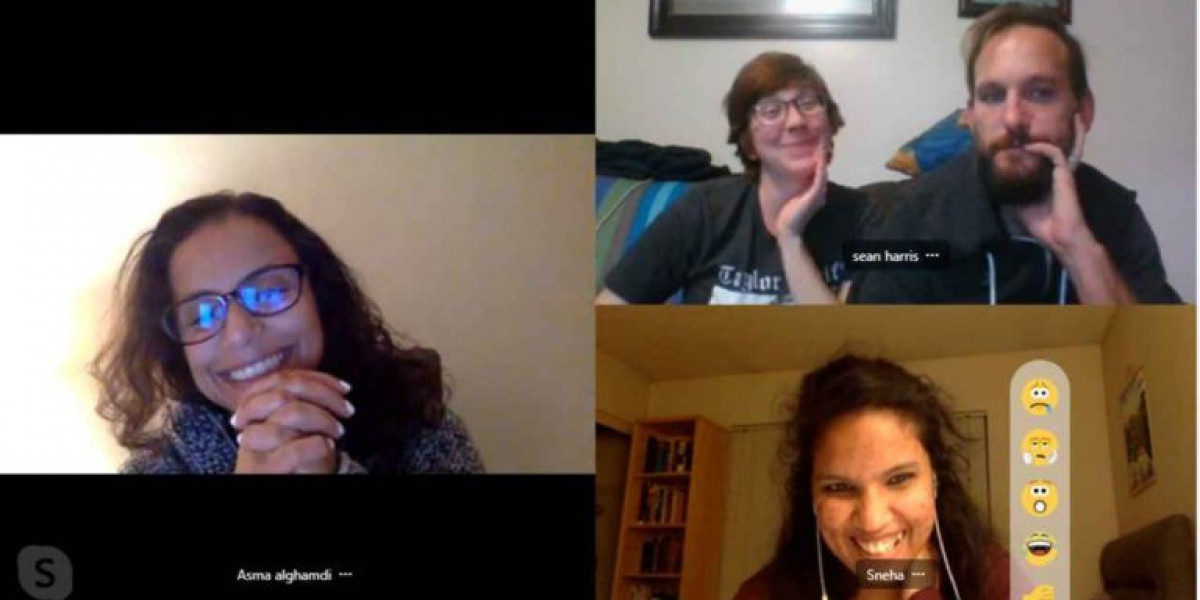

The silent power of consistent Spanish practice often goes unnoticed. Many people focus on lessons, apps, or strict goals and assume progress lives there. However, growth often comes from calmer moments. It appears when practice continues, even on tired days. Little by little, the ear adjusts to sounds, and words feel less awkward. Moreover, patterns start to make sense. Meaning comes faster. With steady practice, learning feels lighter and slowly turns into something enjoyable.
How does practice build real language memory?
Regular practice does more than repeat lists of words. It teaches the brain that Spanish belongs in daily life. When you come back often, even for ten minutes, the mind stays ready. The sounds feel softer and friendly. Words start to flow without pressure. Memory builds here through ease and calm; however, learning stays steady and clear when the mind feels safe.
There is also a change in how mistakes feel. Errors stop feeling heavy or personal. They become small steps instead of blocks. Listening improves because you stop rushing to answer. Speaking feels calmer. With time, phrases return on their own. There is no search through memory. Words show up when needed. The shift feels quiet, yet it counts. Practice starts to guide, not judge. This often happens when lessons follow a clear path.
Structure gives shape. Reading, speaking, and listening blend well. However, balance matters. Too much focus on one skill can slow real comfort for some learners at first; patience helps here. This is why online classes can work well when they value rhythm and return more than speed. Fast learning may look good, but steady learning stays.
Consistency Builds Confidence You Can Actually Feel
Confidence grows in small pieces. It does not arrive all at once. It builds when practice feels familiar. You stop second-guessing every word. Trust slowly replaces doubt. Each session adds ease. Speaking feels softer. Understanding happens without translating every line. This calm confidence grows slowly, yet it stays with you.
Steady practice also lowers fear. You stop waiting for the perfect sentence. You speak, listen, and adjust. Learning becomes active instead of careful. Confidence comes from showing up many times, not from jumping ahead too fast. Rushing often hides gaps. Returning helps close them.
This is where fun and effective learning matter. When lessons feel alive, focus lasts longer. Good teachers help students relax yet stay alert. The voice feels kind, not harsh. Directions stay simple. Support makes effort feel lighter, and learning starts to feel enjoyable again. Learning stops feeling like work and starts feeling like time well spent.
Lessons Become Lively Through Guided Community Learning
Language grows faster when shared. Learning alone can feel flat after a while. A group adds energy. You hear new voices. You catch different ways of speaking. Learning from others shapes personal style. This shared space builds care and trust; therefore, coming back feels easier and more natural.
A small group class creates balance. You feel noticed. You have room to speak without pressure. The pace stays human. No one rushes past you, and no one leaves you behind. Learning feels active and warm rather than silent and distant. The community does not stop when class ends. Conversation clubs provide space to speak freely. Reading clubs slow language down and add depth. Events and workshops link words to culture and daily life. Even online gatherings that explore stories, history, or art help words feel real. Practice turns into a habit you value, not a task you avoid.
Some learners choose Spanish lessons in San Diego because they want both structure and community. The deeper value comes from feeling supported. Practice feels alive, not lonely. That feeling often matters more than location.
Why do simple habits boost Spanish memory?
Consistency grows from small habits. Progress returns because each step feels clear. Short sessions feel doable, even on very busy days. Small goals help attention without stress. Drive failures happen now and then, but the system stays the same. Holding out for the perfect moment is usually a losing game. Instead, action breeds action, and that shift makes a difference.
Effective programs avoid unnecessary complexity. Grammar is presented in bite-sized chunks that make sense. Everyday phrases are used, mimicking real-life situations like a chat at the store or a phone call. Beginner courses provide a solid foundation. Conversation classes offer a safe space to practice familiar words frequently. A level test shows where things stand; therefore, direction feels calm, not judged.
Online learning adds ease. Lessons, events, and people sit in one place. Entry happens when ready. Review waits when needed. Consistent exposure allows Spanish to become a part of everyday routines. Learning happens in the actual world, not in an idealized one. Some limits remain, but patience keeps growth steady.
Conclusion: Choosing Support That Keeps Practice Meaningful
Consistent practice works best when support feels steady and kind. Guidance helps you return without fear. A language school like Culture & Language Center offers that kind of space. Their courses feel clear. Classes feel engaging. The learning community feels welcoming. The focus stays on real use, connection, and clarity. Many people gravitate toward this approach because practice feels like it's tailored to them, and it sticks. Gradually, Spanish becomes something you can rely on. But as you become more comfortable, the language integrates itself into your everyday routine, bringing a quiet, genuine happiness.