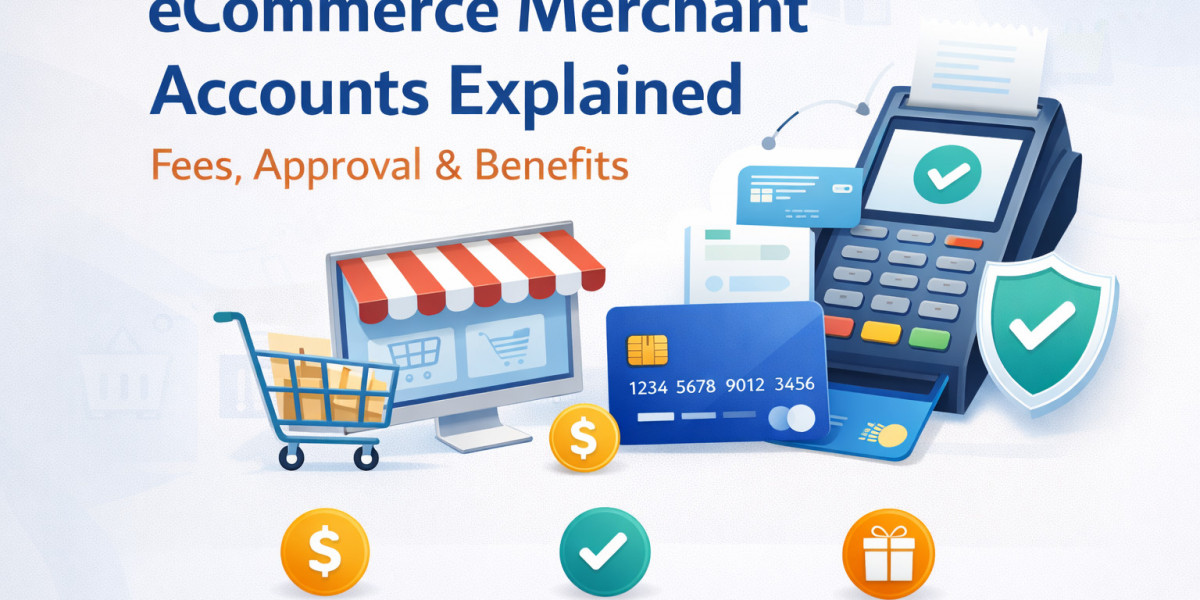
Understanding the nuances of an ecommerce merchant account is crucial for any online business aiming to accept online payments worldwide. These accounts are indispensable tools for seamless ecommerce payment processing, often involving fees and approval processes that can be both complex and beneficial.
What is an Ecommerce Merchant Account?
An ecommerce merchant account is a type of bank account that enables businesses to accept online payments from customers. It acts as an intermediary between the customer’s bank and your business, allowing for the transfer of funds when a transaction is made through an online payment gateway.
Why Do You Need One?
In the rapidly evolving digital marketplace, having an ecommerce merchant account is essential. It not only facilitates the acceptance of payments from various sources but also expands your customer base by accommodating global transactions. Without this account, you miss out on revenue opportunities by limiting the ways customers can pay.
Navigating Fees in Ecommerce Merchant Accounts
Fees are an inevitable part of managing ecommerce merchant accounts. These charges can vary based on several factors, including transaction volume, risk level, and the types of payment methods accepted.
Types of Fees Involved
1. Transaction Fees: These are charged per transaction and can be a percentage of the transaction amount or a flat fee.
2 .Monthly Fees: Fixed costs associated with keeping your account active.
3. Setup Fees: One-time charges for setting up your merchant account.
4. Chargeback Fees: Costs incurred if a customer disputes a transaction and it results in a chargeback.
Understanding and negotiating these fees with providers can significantly impact your bottom line.
How to Get Approved for an Ecommerce Merchant Account
Securing approval for an ecommerce merchant account involves a straightforward yet detailed process. Preparation is key to navigating this phase successfully.
Tips for Approval
- Business Insights: Be prepared to provide detailed information about your business model, including your products or services, target market, and projected sales volumes.
- Compliance and Risk Assessment: Regularly perform risk assessments and maintain compliance with industry standards to improve your chances of approval.
- Financial Stability: Provide financial statements or bank records demonstrating your business's financial health.
Common Roadblocks
- High-Risk Designation: Some industries are considered high-risk due to fraud or chargeback incidents, leading to potential difficulties in account approval.
- Insufficient Documentation: Inadequate documentation can significantly delay or hinder the approval process.
Benefits of Ecommerce Merchant Accounts
The advantages of having an ecommerce merchant account extend beyond merely accepting payments.
Enhanced Security
Using robust online payment gateways and ecommerce payment processing systems ensures that sensitive information is protected, which boosts customer trust and reduces fraud.
Increased Conversion Rates
Offering varied payment options, including credit cards, debit cards, and alternative methods like digital wallets, can significantly enhance customer satisfaction and increase conversion rates.
Global Reach
An ecommerce merchant account enables you to accept online payments worldwide, breaking down geographical barriers and opening up your business to international markets.
Choosing the Right Online Payment Gateway
Selecting an online payment gateway that aligns with your business needs is critical for maximizing your account’s benefits.
Factors to Consider
- Scalability: Ensure the gateway supports your business growth and can handle increasing transaction volumes.
- Security Features: Opt for gateways offering top-notch security measures to protect customer data.
- Ease of Integration: Choose a gateway that integrates seamlessly with your existing ecommerce platform.
By carefully choosing the right gateway, you optimize your ecommerce payment processing efficiency and facilitate smoother transaction experiences for your customers.
FAQs
What does an ecommerce merchant account do?
An ecommerce merchant account enables you to accept online payments, acting as a bridge between the bank and your ecommerce platform.
How long does it take to get approved?
Approval times vary but typically range from a few days to a few weeks, depending on the completeness of your application and the provider’s requirements.
Can I negotiate merchant account fees?
Yes, negotiating fees can often lead to more favorable terms, especially if your business has a strong transaction history or high sales volumes.
Is there a high-risk merchant category?
Yes, industries prone to high chargeback rates or fraud, such as online gambling or adult entertainment, are often classified as high-risk.
How can I avoid high fees?
Reducing transaction fees involves negotiating with providers, maintaining a high sales volume, and minimizing chargebacks by improving customer service.
Conclusion
Ecommerce merchant accounts are vital for businesses looking to expand their payment acceptance capabilities and reach a global audience. Understanding the associated fees, navigating the approval process, and leveraging the benefits can profoundly impact your ecommerce success. To ensure you're making the most of your ecommerce payment processing, consider collaborating with experienced providers like Radiant Pay who can offer expertise and solutions tailored to your business needs.