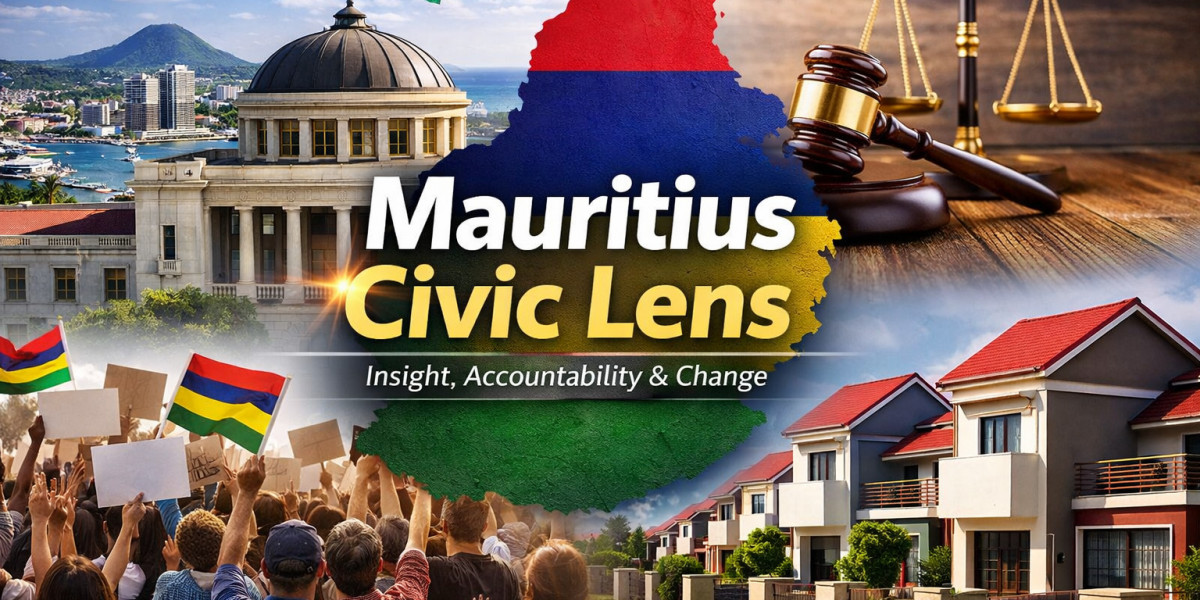

At the heart of this shift is a renewed public expectation that leadership must be responsive and ethical. Parliamentary debates, court decisions, and regulatory announcements are now closely scrutinized by the public, aided by digital platforms and independent journalism. Citizens are increasingly informed, vocal, and organized, signaling a maturing civic culture where silence is no longer the norm.
Public Institutions Under the Spotlight
Public institutions in Mauritius are facing unprecedented levels of scrutiny. Ministries, regulators, and local authorities are being challenged to justify decisions with data, legality, and fairness. Recent parliamentary sessions have shown that elected representatives are under pressure to address issues such as cost of living, infrastructure planning, and public procurement with greater clarity.
Judicial independence and regulatory credibility remain central to public confidence. When institutions act decisively and transparently, trust strengthens. Conversely, delays or perceived opacity quickly fuel public frustration. This dynamic has reinforced the importance of institutional reform, digital record-keeping, and open access to public information.
Housing, Livelihoods, and Social Equity
Housing remains one of the most pressing civic issues. Rising property prices, limited access for first-time buyers, and concerns over land use have placed policymakers under intense pressure. Citizens are demanding not just promises, but measurable outcomes clear eligibility criteria, fair allocation systems, and long-term urban planning that balances development with affordability.
Alongside housing, wage policy and employment security are shaping public debate. Workers across sectors are calling for adjustments that reflect inflation realities without destabilizing businesses. This balancing act has become a test of social dialogue, requiring collaboration between government, employers, and labor representatives.
The Role of Media and Civil Society
Independent media and civil society organizations have become key pillars of accountability. Investigative reporting, data-driven analysis, and community storytelling are bridging the gap between policy decisions and lived experiences. This ecosystem helps ensure that civic conversations are informed rather than reactionary.
Civil society groups are also playing a growing role in monitoring service delivery, advocating for vulnerable communities, and proposing policy alternatives. Their engagement has helped shift public discourse from protest alone to solution-oriented participation.
Digital Engagement and Youth Participation
Digital platforms have transformed civic participation. Young Mauritians, in particular, are using social media, podcasts, and online forums to debate policy, expose inconsistencies, and mobilize support for causes ranging from environmental protection to governance reform. This generation is less deferential to authority and more focused on outcomes, inclusivity, and integrity.
The challenge for institutions is to engage constructively with this digital civic space responding with facts, listening to feedback, and avoiding defensive communication. When managed well, digital engagement can enhance legitimacy and policy effectiveness.
Governance, Transparency, and the Way Forward
Good governance in 2026 is increasingly defined by openness. Budget transparency, procurement disclosures, and clear regulatory processes are no longer optional they are expected. Efforts to modernize public administration through e-governance and performance metrics are steps in the right direction, but consistency and enforcement remain critical.
The broader lesson emerging is that civic trust is cumulative. It is built through repeated actions that demonstrate fairness, competence, and respect for citizens. Each policy decision, public statement, and administrative process contributes to this trust or erodes it.
Conclusion: A Shared Civic Responsibility
Mauritius stands at a point where civic engagement, institutional accountability, and public expectation intersect. The country’s democratic strength lies not only in elections, but in everyday interactions between the state and its people. As debates over housing, wages, governance, and rights continue, the emphasis must remain on transparency, dialogue, and measurable progress.
In documenting these shifts, Mauritius Civic Lens underscores a simple truth: a resilient civic future depends on informed citizens, accountable institutions, and a shared commitment to integrity. When all three align, meaningful and lasting progress becomes possible.