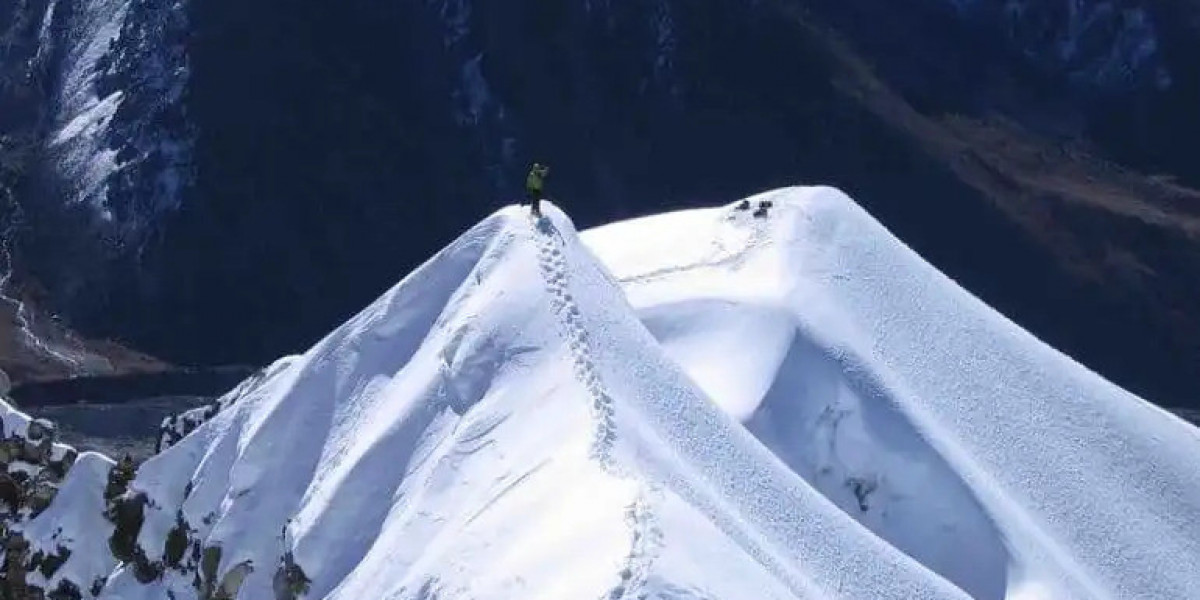

Snow-covered peaks rise into the sky like frozen dreams waiting to be reached. The moment the trail begins, climbing in Nepal feels different from anywhere else in the world. Prayer flags flutter in the wind, deep valleys stretch below, and sharp white summits shine ahead. This land is not only home to the highest mountains on Earth but also to powerful stories of courage, hope, and discovery. Peak climbing in Nepal is more than an adventure—it is a journey where dreams truly touch snow.
Why Nepal Is the Heart of Peak Climbing
Nepal holds eight of the world’s fourteen highest mountains. This alone makes it special. But peak climbing here is not only about famous giants like Everest. Nepal offers more than 300 trekking peaks, many of which are open to climbers with basic mountaineering skills.
These peaks rise above peaceful villages, green forests, and ancient trails. They allow climbers to step into the world of high mountains without needing years of technical experience. This balance of challenge and beauty makes Nepal the legendary home of peak climbing.
What Peak Climbing Really Means
Peak climbing sits between trekking and full-scale mountaineering. It involves walking long mountain trails and then climbing snow and ice to reach a summit. The climbs are exciting but manageable with proper training and guidance.
Climbers use ropes, ice axes, and crampons. Basic skills like walking on snow, using safety gear, and following fixed ropes are learned along the way. This makes peak climbing perfect for trekkers ready to take the next big step.
Famous Peaks That Capture the Imagination
Nepal is filled with iconic trekking peaks. Island Peak, Mera Peak, Lobuche East, and Pisang Peak are among the most popular. Each peak offers a different experience.
Mera Peak provides wide views and long snow walks. Island Peak offers a steeper and more technical climb. Lobuche East rewards climbers with close views of Everest. These peaks may differ in style, but all share one thing—the power to inspire.
Key Statistics for Peak Climbing in Nepal
Peak climbing trips usually last 16 to 22 days on average, depending on the peak and route. This time includes trekking, acclimatization, training, and summit attempts. The total distance walked is often between 120 to 180 kilometers round trip.
The maximum elevation varies by peak. Most trekking peaks range from 5,500 meters to 6,500 meters (18,000–21,300 feet). At these heights, the air is thin, and careful acclimatization is essential for safety and success.
The Role of Acclimatization
High altitude is one of the biggest challenges in peak climbing. The body needs time to adjust to low oxygen levels. Acclimatization days are built into every itinerary for this reason.
During these days, climbers rest or take short walks to higher points before returning to sleep lower. This slow process helps prevent altitude sickness and improves summit chances. In the mountains of Nepal, patience is as important as strength.
Life on the Trail
The journey to a climbing peak passes through small mountain villages. Stone houses, spinning prayer wheels, and friendly smiles welcome climbers along the way. Tea houses provide warm meals and simple beds.
Evenings are quiet and peaceful. Stories are shared over hot tea. Outside, the stars shine bright and clear. These moments on the trail often become as memorable as standing on the summit itself.
Training and Skills on the Mountain
Before summit day, climbers take part in basic training. This includes learning how to use crampons, ice axes, and ropes. These lessons usually take place on nearby glaciers or snow slopes.
The training builds confidence and safety. Step by step, fear turns into focus. With guidance from experienced climbing guides, each movement becomes steady and controlled.
Summit Day: Where Dreams Touch Snow
Summit day begins early, often before sunrise. Headlamps cut through the dark as climbers move slowly upward. The snow crunches under each step. Breathing is slow and deep.
As the sun rises, the mountains glow pink and gold. The final steps feel heavy, but the reward is near. Reaching the summit brings quiet joy and deep pride. This is the moment where effort, patience, and dreams meet the snow.
The Importance of Local Guides and Sherpas
Local guides and Sherpas are the backbone of peak climbing in Nepal. Their knowledge of the mountains, weather, and trails keeps climbers safe. They set ropes, choose safe routes, and offer steady support.
Beyond skill, they share culture and stories passed down through generations. Respect for their role is an important part of climbing responsibly in Nepal.
Best Seasons for Peak Climbing
The best times for peak climbing in Nepal are spring (March to May) and autumn (September to November). These seasons offer stable weather and clear views.
Spring brings warmer temperatures and blooming rhododendrons. Autumn offers crisp air and sharp mountain views. Both seasons provide excellent conditions for safe and successful climbs.
Why Peak Climbing Changes People
Peak climbing builds more than physical strength. It teaches patience, discipline, and respect for nature. Long days on the trail help clear the mind. Facing fear on snow slopes builds confidence.
Many climbers return home with a new outlook on life. Challenges feel smaller. Achievements feel deeper. The mountains leave a lasting mark on the heart.
Final Thoughts: A Legendary Himalayan Experience
Peak climbing in Nepal is a journey of discovery. It blends adventure, culture, and personal growth into one powerful experience. From quiet village trails to snowy summits, every step holds meaning.
Where dreams touch snow, the mountains of Nepal stand ready. For those willing to prepare, respect the land, and take the climb one step at a time, the legendary world of peak climbing offers memories that last a lifetime.