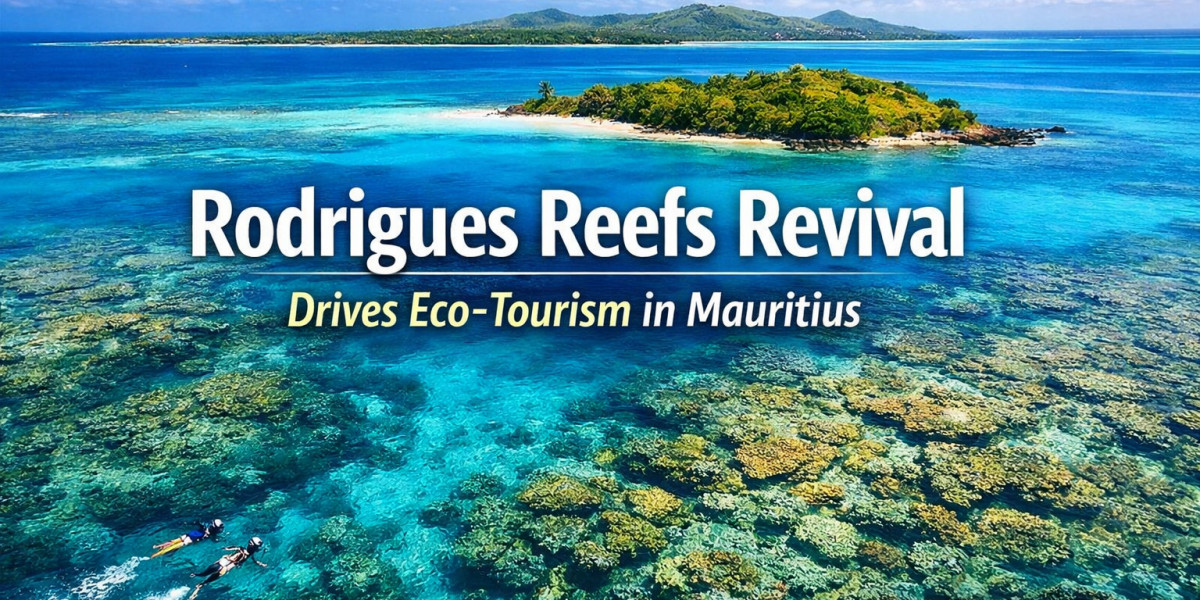

Rodrigues Island, located about 560 kilometres east of mainland Mauritius, is renowned for its pristine lagoons and unique marine biodiversity. Over the past two decades, however, rising sea temperatures, coral bleaching, and unsustainable fishing practices have degraded significant reef sections. Recognising the ecological and economic risks, Mauritian authorities working closely with marine scientists and local communities have launched an ambitious restoration programme to rehabilitate coral ecosystems and safeguard livelihoods dependent on the sea.
At the heart of the initiative is large-scale coral gardening and reef regeneration. Marine biologists are cultivating resilient coral species in underwater nurseries before transplanting them to damaged reef areas. These techniques, already showing promising results in pilot zones, help accelerate natural recovery while preserving genetic diversity. The programme also integrates cutting-edge monitoring tools, including satellite mapping and AI-assisted reef health assessments, to ensure long-term sustainability.
Beyond ecology, the reefs revival is reshaping tourism in Rodrigues. Eco-tourism packages now emphasise low-impact activities such as guided snorkelling, reef education tours, and community-run marine excursions. Visitors are encouraged to participate in conservation awareness programmes, transforming tourism from a passive experience into an active partnership with nature. This shift aligns with Mauritius’ broader vision to move away from mass tourism toward high-value, environmentally conscious travel.
Local communities stand to benefit significantly. Fisher cooperatives in Rodrigues are being retrained as reef stewards and eco-guides, diversifying income sources while reducing pressure on marine resources. Women-led cooperatives are also playing a growing role, offering eco-lodges, artisanal products, and sustainable seafood experiences rooted in Rodrigues’ cultural heritage. These inclusive measures ensure that conservation gains translate directly into social and economic upliftment.
The reefs revival also strengthens Mauritius’ climate resilience. Healthy coral reefs act as natural barriers, reducing coastal erosion and protecting shorelines from storm surges and rising seas. For a small island developing state, this natural defence is invaluable. By investing in reef health, Mauritius is effectively investing in its long-term coastal security and food systems.
Internationally, the initiative has drawn praise from conservation organisations and climate finance institutions. Mauritius’ approach blending public investment, private partnerships, and community ownership is increasingly cited as a best-practice model for island nations facing similar environmental pressures. It also complements Mauritius’ enforcement of global marine agreements, reinforcing its leadership role in ocean governance.
Education and youth engagement form another pillar of the programme. Schools in Rodrigues have incorporated marine conservation into curricula, while university partnerships provide research opportunities for young Mauritians. This knowledge transfer ensures that reef stewardship becomes intergenerational, embedding sustainability into the nation’s future leadership.
Challenges remain. Coral restoration is a long-term process vulnerable to global climate trends beyond local control. Rising ocean temperatures and acidification continue to pose risks, underscoring the need for global climate action. Nevertheless, Mauritian officials stress that proactive adaptation is essential even as international mitigation efforts continue.
As eco-tourism grows, strict regulations are being enforced to prevent overuse of sensitive marine zones. Visitor caps, no-anchor policies, and sustainable boating standards are now integral to tourism operations in Rodrigues. These safeguards help balance economic growth with ecological integrity, ensuring that success today does not compromise tomorrow.
In the coming years, Rodrigues is expected to emerge as a flagship eco-destination within the Indian Ocean, attracting travellers seeking authenticity, conservation, and cultural connection. The reefs revival is more than an environmental project it is a redefinition of how Mauritius engages with its natural heritage and shares it responsibly with the world.
In conclusion, the restoration of Rodrigues’ coral reefs marks a pivotal moment in Mauritius’ sustainable development journey. By aligning conservation, community empowerment, and eco-tourism, the nation demonstrates that environmental responsibility and economic progress can advance together. As highlighted throughout this report by Mauritius Daily Chronicle, the reefs revival is not just saving ecosystems it is shaping a resilient, inclusive future for Mauritius and generations to come.