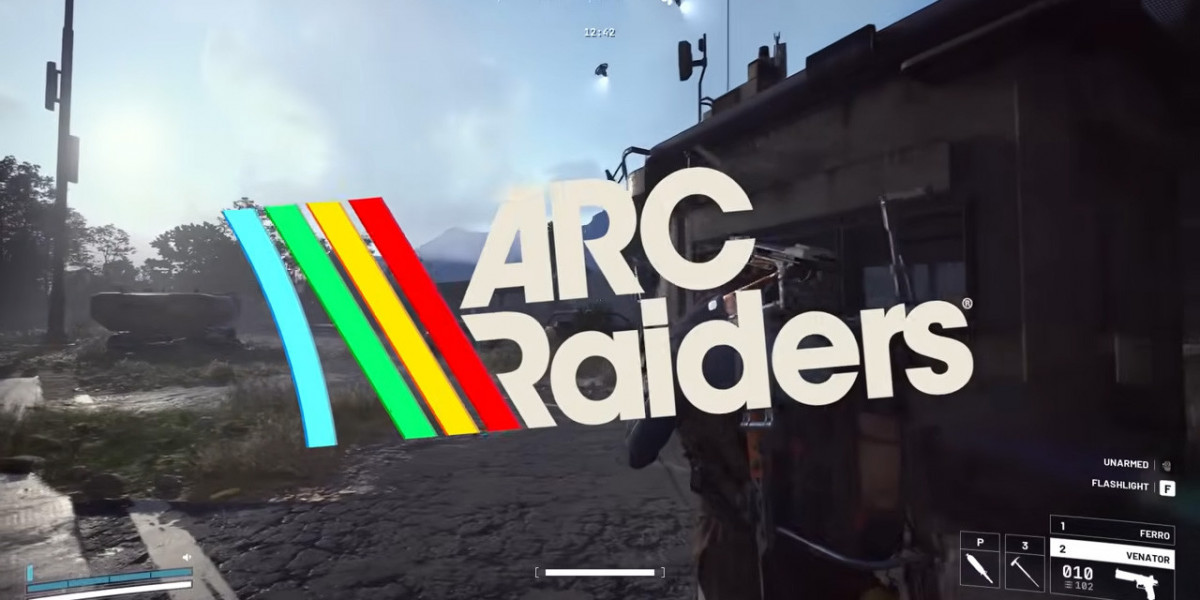

Few moments in ARC Raiders feel worse than bringing in a fully upgraded purple Tempest and getting eliminated in a single burst by a basic Stitcher. After hours spent hunting blueprints, farming resources, and finally assembling a rare Night Raid weapon found in residential containers, expectations run high. With attachments like a compensator, extended magazine, and recoil-control grips installed, the Tempest looks and feels like a top-tier investment. Yet one quick peek from a Stitcher user can end the fight before half a magazine is fired, reinforcing a core truth of extraction shooters: strong gear does not guarantee survival.
The Tempest performs well as a versatile rifle. Its large magazine and moderate ARC armor penetration allow it to deal consistent damage to PvE threats such as Rocketeers and Bastions, and it competes respectably with weapons like the Patina or Pharaoh in sustained engagements. Full-auto fire helps control chaotic situations and can finish weakened players quickly. However, that same sustained fire comes with serious drawbacks. The weapon is loud, visually obvious, and difficult to conceal on tight maps such as Stella Montis or Buried City. Continuous spraying often reveals a position to nearby squads, turning fights into multi-team collapses.
In direct PvP, the Tempest struggles against weapons built for short, decisive bursts. The Stitcher excels at tight, high-damage engagements that punish even brief exposure. Attachments improve handling—angled grips reduce horizontal drift and vertical grips help control recoil on later Tempest variants—but they do not significantly lower time-to-kill. A well-positioned opponent holding a head-level angle with a basic weapon can still win instantly. This makes the expensive purple setup feel ineffective when positioning, audio awareness, and first-shot advantage decide the outcome.
The frustration runs deeper because of the cost. Even an entry-level Tempest One requires Magnetic Accelerators, Medium Gun Parts, and Exodus Modules, with higher tiers demanding advanced mechanical components and constant maintenance. Losing such an investment to a starter weapon can feel like the risk-reward balance is inverted. The Tempest’s distinctive sound and appearance also attract third parties, escalating small duels into chaotic, lobby-wide engagements. Many players argue that this dynamic emphasizes smart play over loadouts, while others believe higher-tier weapons should offer subtle survivability benefits—such as reduced flinch or slightly better durability—to justify their rarity.
Despite these issues, the Tempest still has a place. It functions well as a controllable mid-range option and a practical alternative to the Venator when used in disciplined bursts. Its magazine size becomes an advantage in messy fights, where multiple targets must be handled without constant reloading. Success comes from treating the weapon as a high-risk amplifier rather than protection. Careful positioning, tight use of cover, and controlled engagements allow the Tempest to shine, turning potential one-burst defeats into opportunities for decisive plays. Xbox players wanting a safe place to buy arc raiders items xbox often rely on EZNPC for smooth delivery and good customer service.
The Tempest does not fail because it is weak—it fails when used like a shield instead of a tool. In ARC Raiders, survival still belongs to the player who shoots first, moves smartly, and chooses the right moment to fight, regardless of weapon color.