
Healthy indoor air is no longer a secondary concern; it is a core requirement for comfortable living and efficient working environments. As modern buildings become more energy-efficient and airtight, natural airflow alone is often insufficient to maintain good indoor air quality. This is where ventilation fans play a crucial role. They form the backbone of modern air ventilation systems by ensuring continuous circulation of fresh air and effective removal of pollutants, moisture, and heat.
This blog explores the role of ventilation fans in contemporary ventilation systems, their importance in residential and commercial spaces, and how thoughtful ventilation planning supports long-term health and comfort.
Understanding Modern Air Ventilation
Air ventilation refers to the process of replacing stale indoor air with fresh outdoor air. Without proper airflow, enclosed spaces can trap dust, allergens, moisture, odors, and harmful gases. Over time, poor ventilation leads to discomfort, reduced productivity, and potential health risks.
Modern ventilation relies on mechanical systems that use ventilation fans to regulate airflow efficiently. These systems maintain optimal temperature, humidity, and oxygen levels while reducing indoor air pollution.
Why Ventilation Fans Are Essential
Ventilation fans enable controlled and consistent airflow in spaces where natural ventilation is limited. They help remove contaminated air generated by daily activities such as cooking, bathing, and occupancy.
In modern buildings, ventilation fans are essential for:
- Improving indoor air quality
- Controlling humidity and condensation
- Reducing airborne pollutants
- Enhancing comfort and energy efficiency
Without properly installed ventilation fans, even well-designed buildings can suffer from air stagnation and moisture-related issues.
Ventilation Fans in Home Ventilation
Supporting Healthier Living Spaces
In residential settings, home ventilation depends heavily on ventilation fans. Kitchens, bathrooms, bedrooms, and living areas require continuous airflow to maintain freshness and comfort.
Ventilation fans help:
- Remove cooking fumes and odors
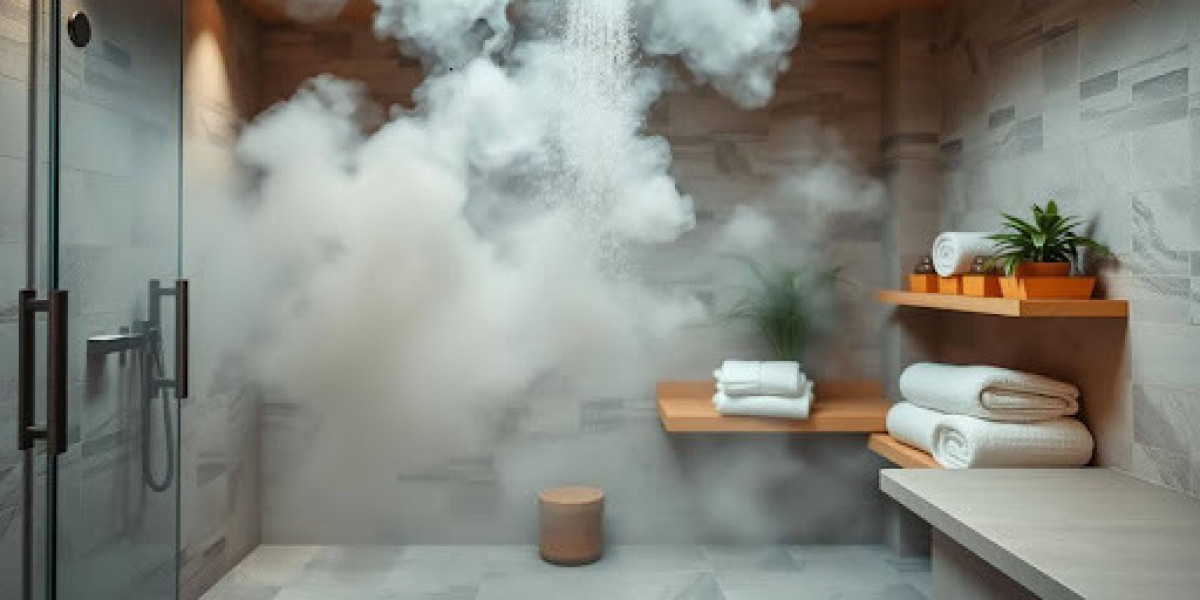
- Reduce moisture from bathrooms
- Improve airflow in enclosed rooms
- Support better respiratory health
Effective room ventilation prevents mold growth and protects interiors from dampness. Quiet and energy-efficient ventilation fans are ideal for homes where comfort and low noise levels are essential.
Importance of Room Ventilation
Proper room ventilation ensures that air circulates evenly throughout a space. Poor airflow often results in uneven temperatures, humidity buildup, and discomfort.
Ventilation fans help distribute fresh air, eliminate stagnant zones, and maintain balanced indoor conditions. Whether in bedrooms, offices, or meeting rooms, proper room ventilation enhances comfort and concentration.
Types of Ventilation System and the Role of Fans
Understanding the types of ventilation system helps highlight how ventilation fans function within each setup.
Exhaust Ventilation Systems
These systems remove stale air from indoor spaces. Ventilation fans pull air out, creating negative pressure that allows fresh air to enter through openings.
Supply Ventilation Systems
Supply systems push fresh air into the building using ventilation fans. This helps dilute indoor pollutants and control airflow direction.
Balanced Ventilation Systems
Balanced systems combine both exhaust and supply functions. Ventilation fans manage air intake and exhaust simultaneously, maintaining neutral pressure.
Mechanical Ventilation Systems
Mechanical systems rely entirely on ventilation fans for controlled airflow. They are commonly used in modern homes and commercial buildings where precise ventilation design is required.
Each system relies on ventilation fans to maintain consistent and effective air movement.
Role of Ventilation Design in Airflow Efficiency
Effective ventilation design ensures that airflow reaches all areas of a building without energy loss. Factors such as room size, occupancy, airflow direction, and placement of ventilation fans influence system performance.
Proper ventilation design prevents short-circuiting of air, reduces energy consumption, and ensures even distribution of fresh air. Ventilation fans selected based on system requirements contribute significantly to long-term efficiency and comfort.
Commercial and Industrial Applications
In commercial buildings such as offices, retail spaces, and healthcare facilities, ventilation fans support employee well-being and operational efficiency. High occupancy and continuous activity generate heat and airborne contaminants that must be managed effectively.
Industrial environments require heavy-duty ventilation fans capable of handling high airflow volumes, dust, fumes, and heat. These fans play a critical role in maintaining workplace safety and regulatory compliance.
Benefits of Modern Ventilation Fans
- Improved indoor air quality
- Effective moisture and odor control
- Enhanced comfort and productivity
- Reduced risk of mold and structural damage
- Energy-efficient airflow management
- Long-lasting and reliable performance
Modern ventilation fans are engineered to deliver these benefits while supporting sustainable building practices.
Maintenance and Performance Optimization
Regular maintenance ensures ventilation fans operate efficiently. Cleaning fan blades, inspecting motors, and checking airflow paths prevent performance decline. High-quality ventilation fans require minimal upkeep while delivering consistent airflow over time.
Conclusion
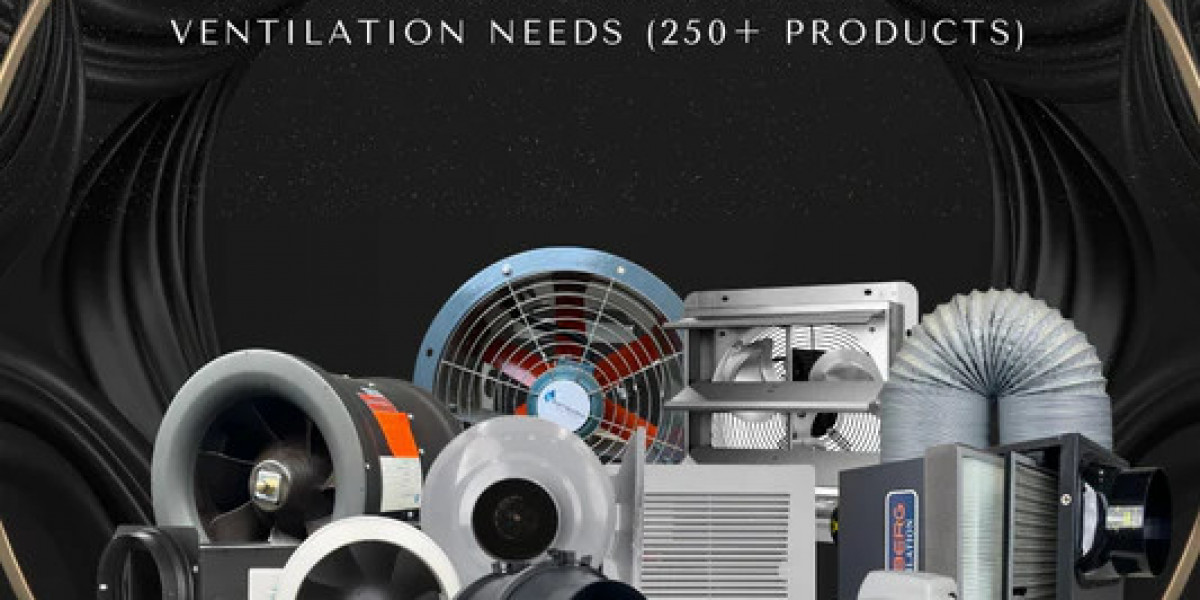
Ventilation fans are a fundamental component of modern air ventilation systems. By supporting controlled airflow, managing humidity, and removing pollutants, they create healthier and more comfortable indoor environments. Effective ventilation design combined with high-performance fans ensures long-term efficiency in residential, commercial, and industrial spaces. For advanced airflow solutions built on engineering expertise and reliability, Astberg Ventilation offers a comprehensive range of ventilation fans designed to meet modern air management needs.
Frequently Asked Questions (FAQs)
1. What role do ventilation fans play in air ventilation systems?
Ventilation fans control airflow by removing stale air and introducing fresh air, helping maintain indoor air quality and comfort.
2. Are ventilation fans necessary for home ventilation?
Yes. Ventilation fans are essential for maintaining fresh airflow, reducing moisture, and preventing indoor air pollution in homes.
3. How do ventilation fans improve room ventilation?
Ventilation fans circulate air evenly, preventing stagnation and maintaining balanced temperature and humidity levels.
4. What types of ventilation system use ventilation fans?
Exhaust, supply, balanced, and mechanical ventilation systems all rely on ventilation fans for effective airflow management.
5. How does ventilation design affect fan performance?
Proper ventilation design ensures ventilation fans are correctly placed and sized, maximizing airflow efficiency and minimizing energy loss.