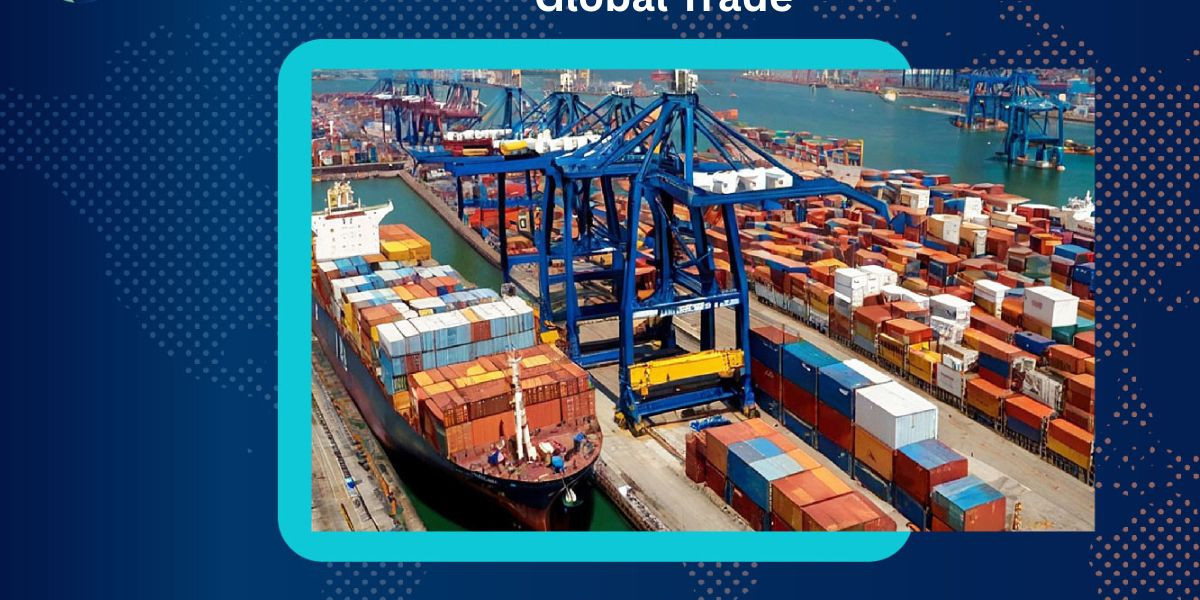

Understanding the Importer of Record: A Practical Guide for Global Trade
International trade looks deceptively simple from the outside—goods move from one country to another, paperwork is filed, and shipments arrive. In reality, every successful cross-border transaction depends on clearly defined legal responsibility. This is where understanding the Importer of Record (IOR) becomes critical.
Whether you’re an online business shipping globally, a manufacturer sourcing components, or a logistics professional managing complex supply chains, the Importer of Record plays a central role in compliance, cost control, and risk management. At One Union Solutions, we work closely with importers across industries to simplify this responsibility and keep global trade moving smoothly.
https://oneunionsolutions.com/eor-locations/
Let’s break it down clearly and practically.
What Is an Importer of Record (IOR)?
The Importer of Record is the individual or legal entity officially responsible for ensuring imported goods comply with all local laws and regulations of the destination country.
In simple terms, the IOR is the party that:
Is named on customs documentation
Pays import duties, taxes, and fees
Ensures correct product classification
Handles regulatory compliance and audits
Customs authorities don’t care who sold the goods or who will eventually use them. They care about who is legally accountable—and that’s the Importer of Record.
https://oneunionsolutions.com/wgd-locations/
Why the Importer of Record Matters More Than Ever
With tighter customs enforcement, digital filings, and increased scrutiny on global supply chains, mistakes can be expensive.
According to global customs studies, incorrect classification and documentation account for a large share of shipment delays and penalties. A single error in HS codes or declared value can result in:
Heavy fines
Shipment seizure
Blacklisting by customs authorities
Disrupted supply chains
Understanding the Importer of Record is no longer optional—it’s a competitive advantage.
https://oneunionsolutions.com/warehousing-locations/
Key Responsibilities of an Importer of Record
1. Accurate Product Classification
One of the most critical IOR duties is correct classification using HS, HTS, and Schedule B Codes.
HS (Harmonized System): Global standard (6 digits)
HTS: Country-specific extensions (used in the US)
Schedule B: Export-focused classification
Getting this wrong directly impacts duty rates and compliance. This is why Product Classification Systems Explained clearly is essential knowledge for importers.
2. Payment of Duties, Taxes, and Fees
The IOR ensures all customs duties, VAT/GST, and additional charges are paid correctly and on time. This includes navigating tariff and non-tariff barriers, which can vary widely by country and product.
Understanding Tariff and Non-Tariff Barriers: definition, examples, and global impact helps importers anticipate true landed costs and avoid surprises.
3. Regulatory and Legal Compliance
Certain goods—electronics, medical devices, automotive parts—require licenses, certifications, or testing.
For example:
Automotive components face strict compliance due to supply chain challenges in the global automotive industry
Medical and tech products may require pre-approval before import
The IOR is legally responsible if these requirements are missed.
4. Record Keeping and Audits
Customs authorities can audit shipments years later. The Importer of Record must maintain accurate records of invoices, packing lists, and customs filings.
Importer of Record vs. Freight Forwarder
A common misconception is that freight forwarders automatically act as the IOR. They don’t—unless explicitly agreed.
What is freight forwarding?
Freight forwarding focuses on transportation, documentation support, and logistics coordination.Importer of Record:
Takes legal ownership of customs compliance.
A reliable partner offering custom freight forwarding service across Europe or globally can support the IOR, but the responsibility must be clearly defined.
https://oneunionsolutions.com/ior-service/
IOR in Different Shipping Modes
Ocean Freight vs. Air Freight
The Importer of Record role stays the same, but timelines and costs differ.
Ocean freight: Cost-effective for bulk shipments, slower clearance
Air freight: Faster, higher scrutiny, higher costs
Using tools like an airfreight volume weight calculator helps importers plan costs accurately before shipping.
Importer of Record for Online and Cross-Border Businesses
With the rise of international shipping for online businesses, many companies now sell into countries where they have no legal presence.
In such cases:
The seller may not qualify as IOR
A third-party IOR solution becomes essential
This approach reduces risk, speeds up customs clearance, and ensures local compliance—especially in regulated markets.
IOR and Value-Added Logistics Services
For high-value or sensitive shipments, importers often combine IOR services with specialized logistics, such as the ultimate guide to white glove delivery services—ensuring compliance, care, and customer satisfaction from port to final delivery.
https://oneunionsolutions.com/freight-forwarding-locations/
India-Specific Perspective: EXIM Policy and IOR
In India, the Importer of Record must comply with the EXIM Policy of India.
Key points include:
Clear declaration of importer details
Adherence to restricted and prohibited goods lists
Compliance with DGFT and customs regulations
Understanding the purpose, functions, key features, and benefits of India’s EXIM policy helps importers avoid regulatory pitfalls.
Common Challenges Faced by Importers—and Solutions
Challenges
Misclassification of goods
Rapid regulatory changes
Complex multi-country shipments
Automotive and tech compliance requirements
Solutions for Importers and Exporters
Partnering with compliance-focused logistics experts
Outsourcing IOR responsibilities when entering new markets
Using accurate classification and cost-planning tools
At One Union Solutions, we focus on reducing these risks through structured IOR support and compliance-driven logistics strategies.
Real-World Insight
A European automotive supplier faced repeated delays due to incorrect HS codes across multiple destinations. By restructuring their Importer of Record process and aligning classification standards, they reduced clearance delays by over 30% within one quarter—highlighting how critical the IOR role truly is.
https://oneunionsolutions.com/blog/
Final Thoughts: Why Understanding the Importer of Record Is Essential
Understanding the Importer of Record isn’t just about paperwork—it’s about accountability, compliance, and protecting your business in global trade. As regulations tighten and supply chains become more complex, companies that clearly define and manage IOR responsibilities move faster, incur fewer penalties, and build stronger international operations. https://oneunionsolutions.com/destinations/
Whether you’re expanding into new markets, optimizing existing trade lanes, or navigating complex regulations, getting the Importer of Record right is a foundation you can’t afford to overlook.